A Guide of South India Tour
15 Apr 2021



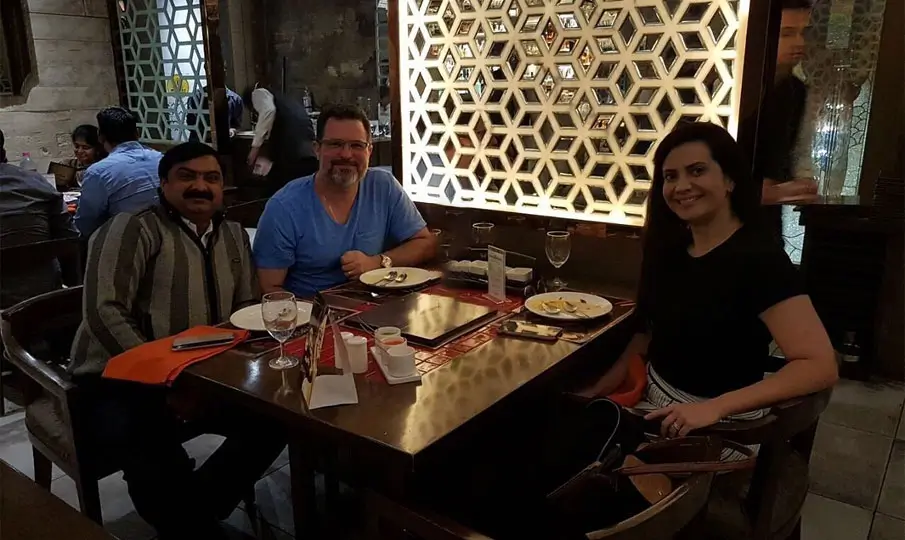
For foreign travelers, India is not truly experienced until it is tasted. Food here is not a side activity or an optional indulgence. It is woven into daily life, religious practice, family tradition, and regional identity. One city can feel completely different from another simply because the food changes. Travelers often arrive with excitement mixed with anxiety, unsure what to eat, where to eat, or how spicy dishes will be. These concerns are natural, especially for first-time visitors. But avoiding local food means missing one of the most authentic parts of India. Understanding Indian food by region, knowing which city is famous for which dish, and learning how to eat smartly allows travelers to enjoy India confidently rather than cautiously. This guide breaks India’s food culture down region by region, focusing on famous dishes and the places where they are best experienced.
North India is the easiest starting point for first-time visitors because its food is rich, familiar in texture, and widely available in tourist cities.
Delhi is considered the food capital of North India. It is famous for butter chicken, chicken tikka, dal makhani, and naan bread. These dishes originated from Punjabi kitchens and Mughal influence. Old Delhi is especially known for kebabs, mutton curry, and slow-cooked gravies. Travelers visiting Delhi often experience North Indian food at its most diverse in a single city.
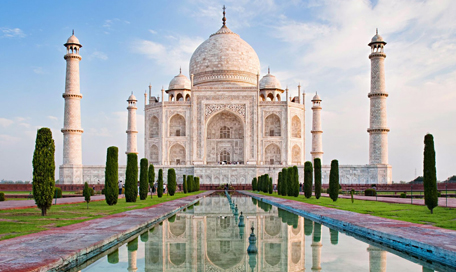
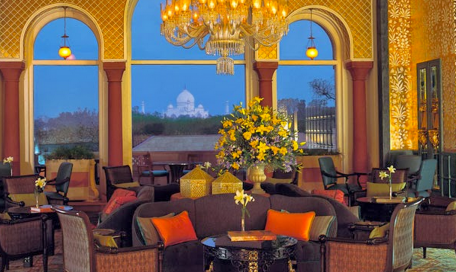
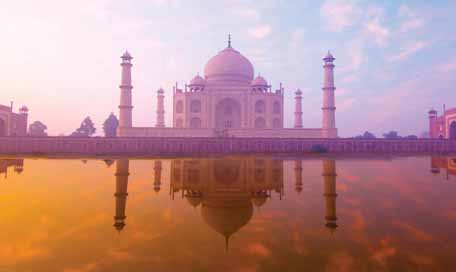
Agra is not just about the Taj Mahal. It is famous for Mughlai cuisine, particularly mutton korma, chicken korma, and rich gravies cooked with nuts and spices. Agra is also known for its traditional sweet petha, which visitors often take home.
Amritsar in Punjab is world-famous for Amritsari kulcha, chole, and lassi. The food here is hearty and filling, designed for long days of physical work. For travelers who enjoy comfort food, Punjabi cuisine is often the most satisfying introduction to India.
From iconic street food to royal Indian cuisines, we help you plan a curated food journey across India with authentic experiences, local insights, and seamless travel support.
Rajasthan’s cuisine reflects desert life, water scarcity, and royal heritage. Food here is bold, spicy, and designed to last.
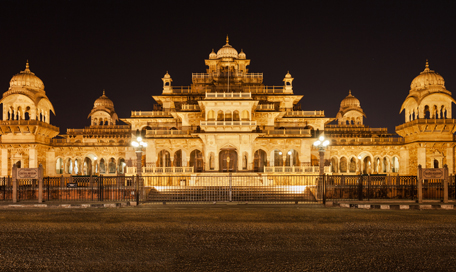
Jaipur is famous for dal baati churma, a traditional Rajasthani meal made of baked wheat balls, lentils, and sweetened grains. The city also offers ker sangri, a unique desert vegetable dish rarely found outside Rajasthan.
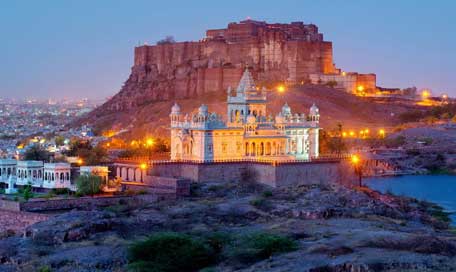
Jodhpur is known for mirchi vada, mawa kachori, and spicy street snacks. These foods are deeply rooted in local culture and best eaten fresh. Jodhpur’s food scene is more rustic and intense compared to Jaipur.
Udaipur offers a milder Rajasthani experience. It is known for gatte ki sabzi, rajasthani thali, and refined vegetarian dishes. Udaipur is ideal for travelers who want to experience Rajasthan’s flavors without extreme spice levels.
Understanding Rajasthani cuisine helps travelers appreciate why dishes are spicy and why yogurt and buttermilk are commonly served alongside meals.
Mughlai food represents India’s royal culinary history and is especially popular in cities with Mughal influence.
Lucknow is the undisputed capital of Awadhi cuisine. It is famous for galouti kebab, nihari, and biryani cooked using slow dum techniques. The food here is aromatic rather than spicy and is considered one of India’s most refined cuisines.
Hyderabad, though geographically southern, is globally famous for Hyderabadi biryani. This rice-based dish layered with meat and spices is one of India’s most iconic foods. Hyderabad is a must-visit city for biryani lovers.
South India offers lighter, rice-based meals that many foreign travelers find easier to digest.
Chennai is famous for idli, dosa, sambar, and coconut chutney. These dishes are typically eaten for breakfast and are mild, fermented, and filling without heaviness. South Indian food here is ideal for travelers concerned about spice.
Bangalore offers a mix of traditional South Indian dishes and modern café culture. Masala dosa and filter coffee are city staples.
Kerala is famous for seafood curry, appam, puttu, and coconut-based dishes. Kerala’s food is aromatic rather than spicy, influenced by centuries of spice trade. Travelers often consider Kerala cuisine one of the safest and most flavorful in India.
India’s coastline produces some of its most distinctive food.
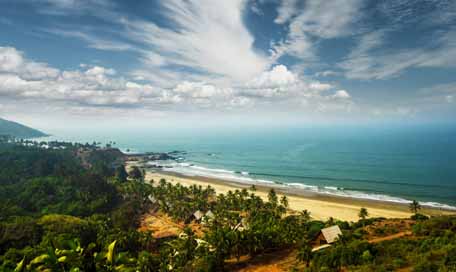
Goa is famous for Goan fish curry, prawn balchao, and vindaloo. Portuguese influence gives Goan food a unique tangy flavor. Seafood lovers find Goa one of the easiest places to enjoy Indian food.
Mumbai offers unmatched street food culture. The city is famous for vada pav, pav bhaji, and bhel puri. Mumbai street food is fast-paced, flavorful, and surprisingly consistent in quality.
Eastern India is known for subtle flavors and exceptional desserts.
Kolkata is famous for rosogolla, mishti doi, and fish curry made with mustard. Bengali cuisine balances sweetness and spice beautifully.
Odisha offers simple yet soulful dishes like dalma and rice-based meals served with minimal oil.
Food safety is about smart choices, not fear. Eating freshly cooked food, choosing busy restaurants, and avoiding uncooked street items reduces risk significantly. Bottled water and hot meals are always safer. Understanding Indian food for tourists allows travelers to enjoy local cuisine without anxiety.
Food experiences improve when travelers know where to eat and what to order. This is where India Trip Planners quietly supports travelers by recommending reliable restaurants, arranging food walks, and aligning dining stops with sightseeing routes. Instead of guessing, travelers eat confidently and authentically.
From coastal seafood and bustling street food to royal regional cuisines, our experts curate immersive food journeys across India — thoughtfully planned, authentic, and unforgettable.
India rewards curious eaters. Each region tells its story through food, and each city adds its own accent. When travelers understand what is famous where, food becomes a highlight rather than a worry. With basic awareness and local guidance, India’s cuisine becomes one of the most memorable parts of the journey.
Busy, freshly cooked street food is generally safe when chosen carefully.
South Indian dishes like idli and dosa are light and easy to digest.
Yes, India is one of the most vegetarian-friendly countries in the world.
Yes, especially in coastal regions like Goa and Kerala.
Most tourist-friendly restaurants will adjust spice on request.
Raw salads and unpeeled fruits are best avoided early in the trip.
India offers excellent food at all budget levels.
Local guidance and trusted recommendations make all the difference.
Delhi offers the widest variety of Indian cuisines in one place.
No, spice levels vary by region and can usually be adjusted.