

India is one of the few countries in the world where every month marks a new celebration. The rhythm of life here follows the cycle of seasons, harvests, legends, and deities. From joyful street parades to spiritual pilgrimages, every corner of India has its own unique fair or festival. These events reflect India’s timeless culture, unity in diversity, and warm spirit of togetherness.
Whether you’re dancing to drums during Holi, watching illuminated ghats during Diwali, or witnessing decorated camels in Pushkar, these vibrant experiences form the very heart of Indian travel.
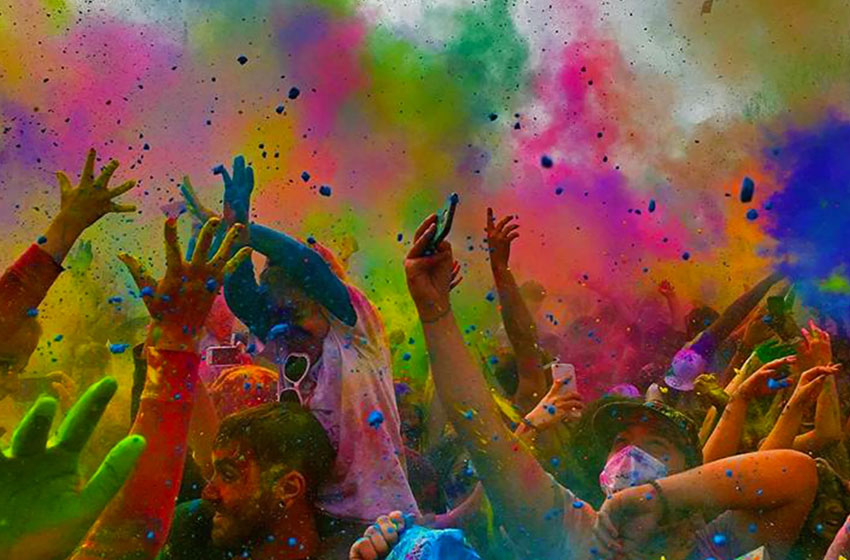
When : March
Where : North India (especially Mathura, Vrindavan, Barsana, Jaipur, Delhi)
Holi celebrates the triumph of good over evil and the onset of spring. Streets turn into playgrounds of colors as people smear each other with gulal and water balloons. In Barsana, women playfully chase men in the famous LathmarHoli, while in Vrindavan, the BankeBihari Temple becomes a spectacle of music, chants, and flower petals. Tourists from around the world join locals to dance, laugh, and soak in this joyful madness.
When : October–November
Where : Across India (Jaipur, Varanasi, Delhi, Ayodhya, Udaipur)
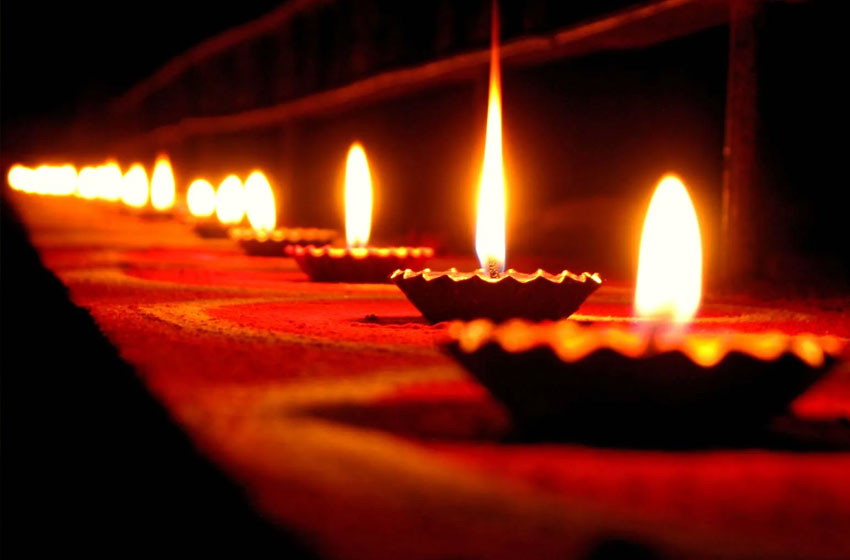
Diwali marks Lord Rama’s return to Ayodhya after 14 years of exile and symbolizes the victory of light over darkness. Houses are adorned with lamps, rangoli, and decorations. Families perform the Lakshmi Puja, light fireworks, and exchange sweets. In Varanasi, the ghats of the Ganges shimmer with thousands of diyas, while Jaipur’s markets glow with golden lights and festive energy. It’s the best time to experience India’s warmth, devotion, and celebration.
When : November
Where : Pushkar, Rajasthan
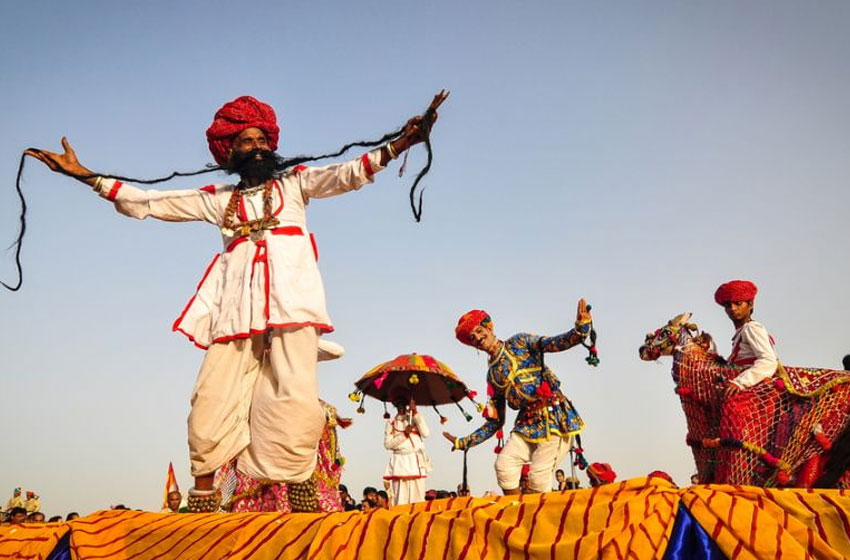
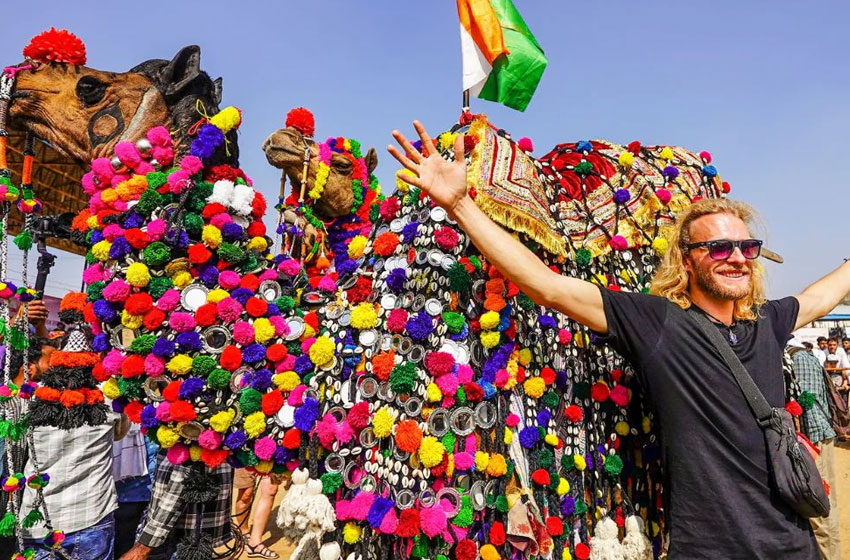
The Pushkar Camel Fair is one of the world’s most iconic cultural festivals. What began as a simple cattle trading event has grown into a grand carnival of color, music, and devotion. Thousands of camels, horses, and cattle are decorated and traded amidst desert dunes. Folk dancers, magicians, musicians, and acrobats fill the air with festivity. The holy Pushkar Lake and Brahma Temple attract thousands of pilgrims who come to bathe in the sacred waters during the full moon.
For travelers, it’s a rare opportunity to witness Rajasthan’s rural culture, traditional crafts, and authentic desert charm all in one place.
When : February
Where : Jaisalmer, Rajasthan
Set against the golden backdrop of the Thar Desert, the Jaisalmer Desert Festival showcases Rajasthan’s royal traditions and folk artistry. Locals in colorful turbans and women in traditional attire perform Ghoomar and Kalbelia dances, while competitions like Turban Tying, Mr. Desert, and Camel Polo entertain visitors. Nights are filled with soulful Rajasthani music under starlit skies near the Sam Sand Dunes — an unforgettable desert spectacle.
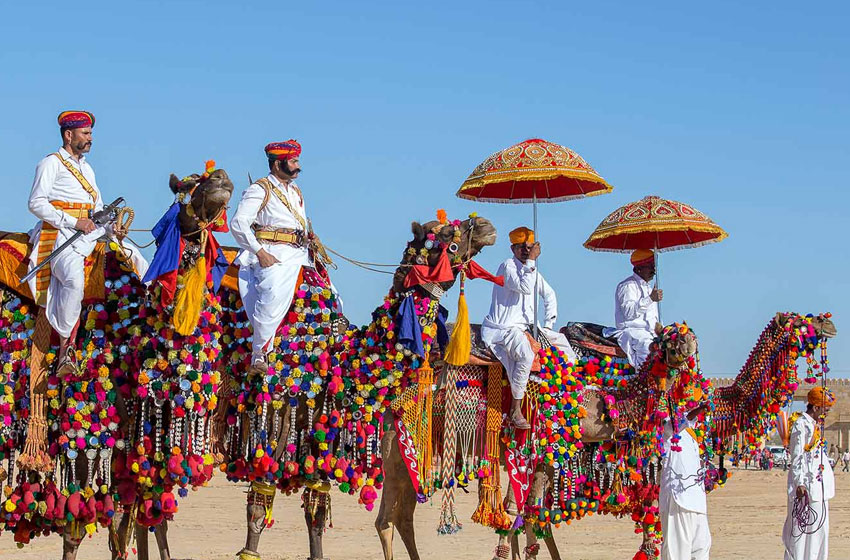
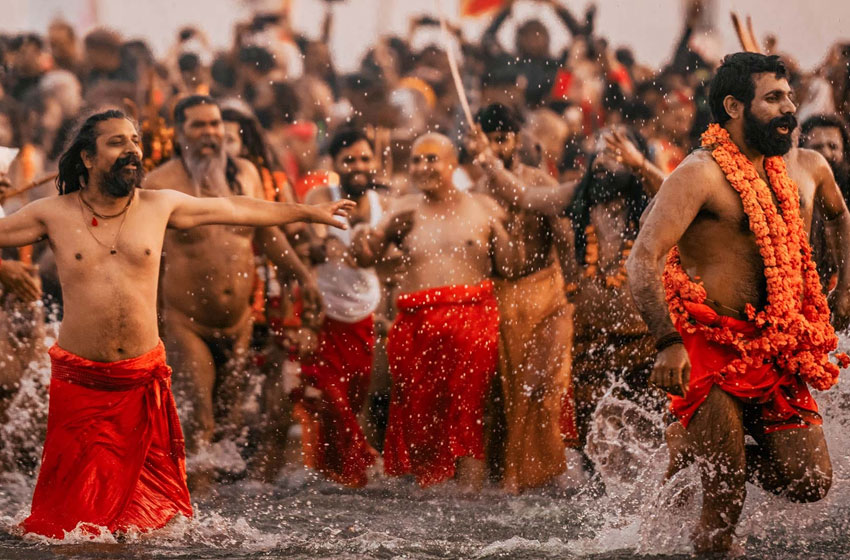
When : Every 12 years (rotates between Prayagraj, Haridwar, Ujjain, Nashik)
The KumbhMela is the largest human gathering on Earth, attracting millions of devotees and sadhus from across the country. Pilgrims gather to take a holy dip in sacred rivers to wash away sins and seek salvation. The event represents the spiritual essence of India — faith, devotion, and unity. Travelers can witness rare religious rituals, ancient traditions, and a sea of saffron-clad ascetics in meditation.
When : January–February
Where : Nagaur, Rajasthan
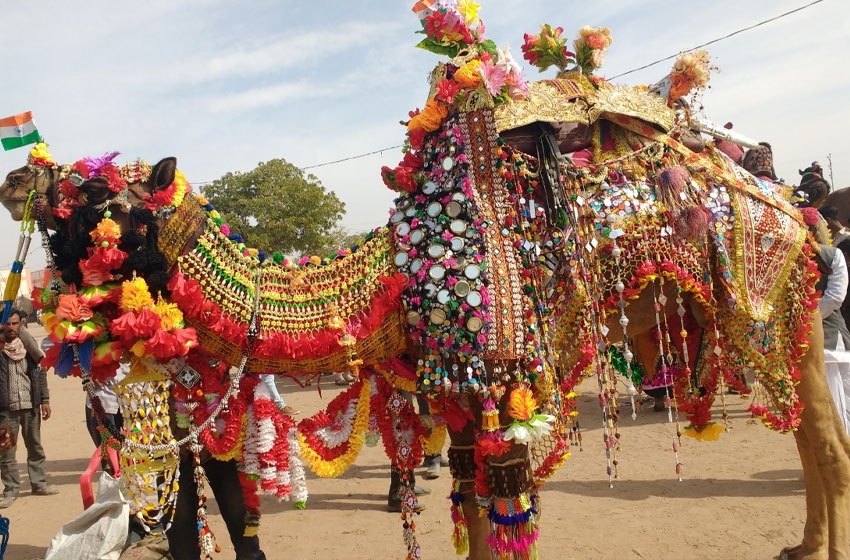
Held annually between Pushkar and Jodhpur, this fair attracts thousands of traders who bring their finest cattle, camels, and horses. The festival is not just about trade — it’s a grand rural carnival featuring folk performances, camel races, and colorful stalls selling local handicrafts, spices, and jewelry. Visitors get an authentic glimpse into Rajasthan’s rural life and its centuries-old trading traditions.
When : July–August
Where : Jaipur, Udaipur, and other parts of Rajasthan
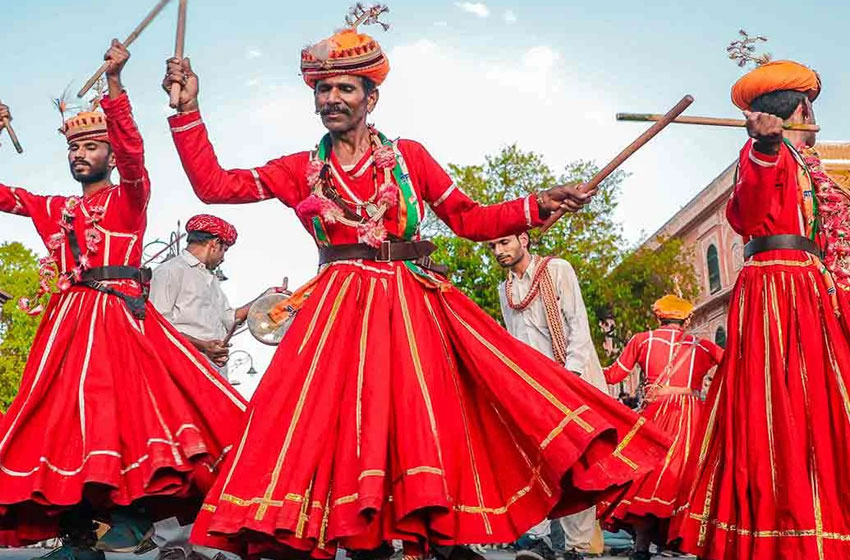
Dedicated to Goddess Parvati, Teej celebrates love, devotion, and the onset of the monsoon. Married women dress in green saris, sing devotional songs, and swing from decorated trees. In Jaipur, the royal Teej procession features palanquins, folk dancers, and elephants passing through the old city. The fragrance of rain, mehndi, and sweets fills the air — making it one of Rajasthan’s most feminine and graceful festivals.
When : January
Where : Bikaner, Rajasthan
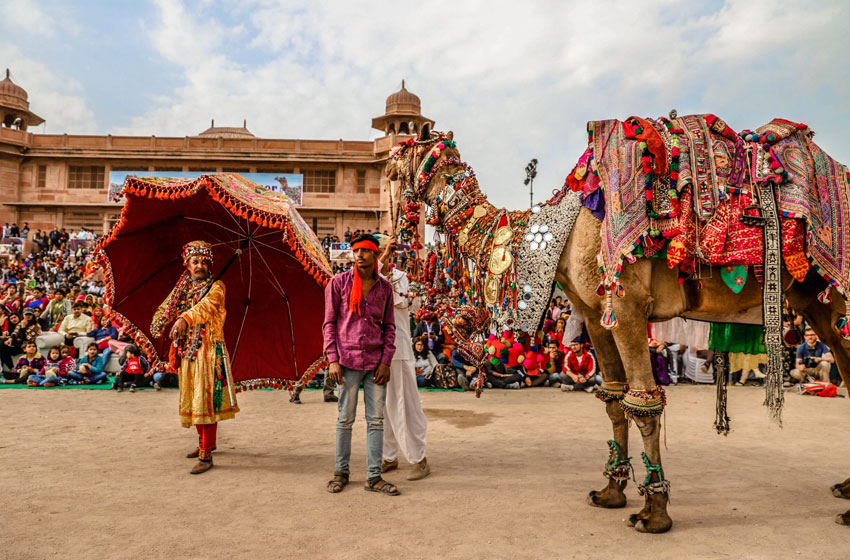
This unique event is dedicated to the “ship of the desert.” Camels are beautifully groomed and showcased in parades, beauty contests, and racing competitions. Folk musicians, fire dancers, and puppet shows add to the carnival charm. As night falls, the illuminated Junagarh Fort forms a majestic backdrop for cultural performances, making it one of Rajasthan’s most photogenic events.
When : September–October
Where : Pan-India (especially Gujarat, Delhi, Mysore, Varanasi)
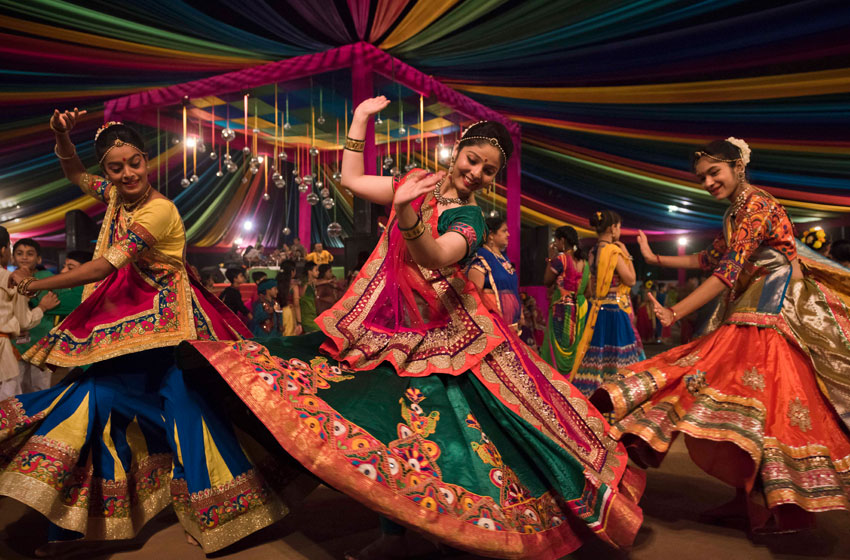
Navratrihonors Goddess Durga over nine nights of dance, devotion, and fasting. In Gujarat, people perform Garba and Dandiya dances dressed in colorful attire. The festival culminates with Dussehra, symbolizing Lord Rama’s victory over Ravana. Mysore Dussehra is world-famous for its royal processions, illuminated palaces, and grandeur.
When : January
Where : Gujarat, Rajasthan, Maharashtra
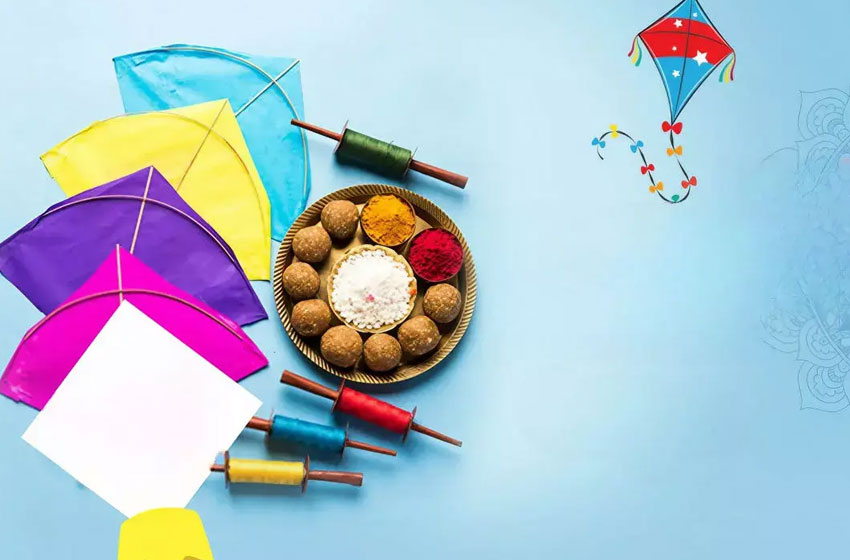
Known as the festival of harvest and gratitude, MakarSankranti is celebrated by flying colorful kites. In Jaipur and Ahmedabad, the sky turns into a sea of vibrant paper kites, while rooftops buzz with laughter, music, and competition. Traditional sweets made from sesame and jaggery mark the occasion.
When : February
Where : Dungarpur District (South Rajasthan)
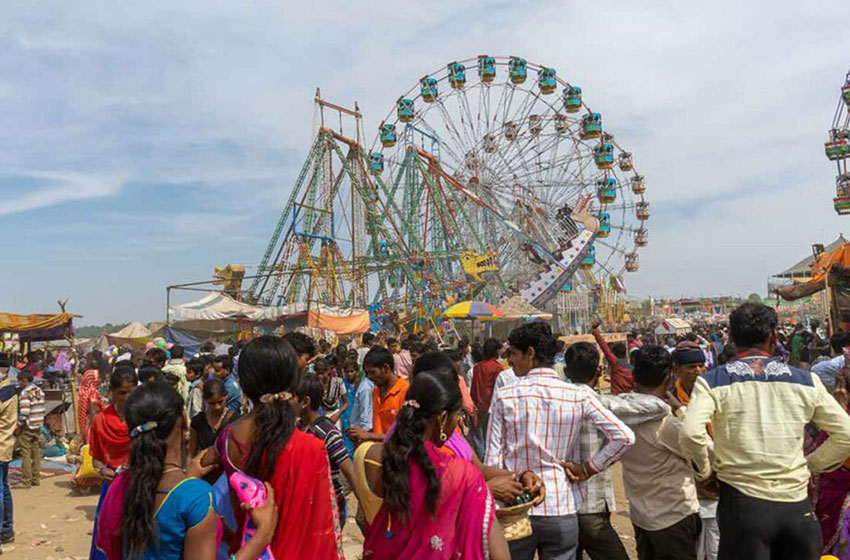
This fair is one of Rajasthan’s most spiritual and culturally unique gatherings. It is held at the confluence of the Mahi, Som, and Jakham Rivers and attended by thousands of Bhil tribals from Madhya Pradesh, Gujarat, and Rajasthan. Devotees come to offer prayers to Lord Shiva (BaneshwarMahadev). The fair features tribal dance, music, handicrafts, and night-long religious rituals under the open sky — a rare glimpse into the traditions of Rajasthan’s tribal heartland.
When : March–April
Where : Jaipur, Udaipur, Jodhpur, Bikaner, Nathdwara
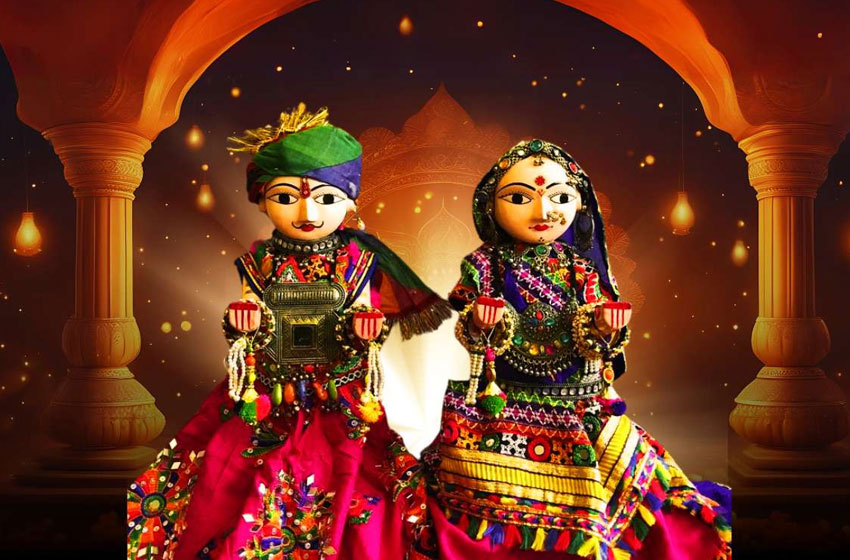
Celebrated by women across Rajasthan, Gangaurhonors Goddess Parvati, symbolizing love and marital bliss. Women dress in traditional attire, apply mehndi, and carry beautifully decorated idols of Gauri and Isar (Lord Shiva) through the streets. In Jaipur, a grand royal procession with elephants, camels, palanquins, and folk dancers takes place through the old city.
When : March–April
Where : Udaipur
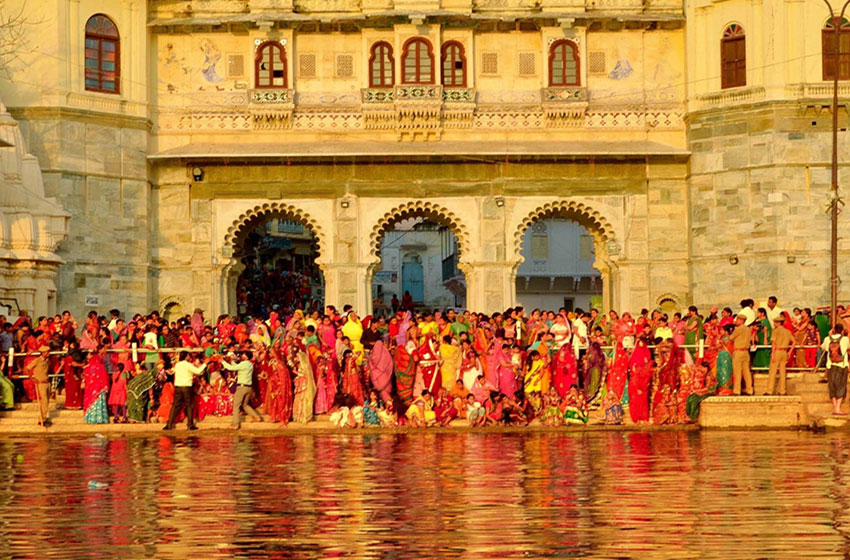
The Mewar Festival coincides with Gangaur and marks the arrival of spring. It celebrates the culture of the Mewar region through folk music, dance, and processions around Lake Pichola. Women decorate idols, and the city glows with lights and traditional performances. The reflection of lamps on the lake and fireworks over the City Palace make it a romantic experience for visitors.
When : November
Where : Jhalawar District (Eastern Rajasthan)
Held on the banks of the Chandrabhaga River, this fair draws thousands of pilgrims who take a holy dip on KartikPurnima. It’s also known for its cattle trading, especially buffaloes, and local cultural programs. The nearby temples of Jhalrapatan add a spiritual charm to this fair.
When : January
Where : Diggi Palace, Jaipur
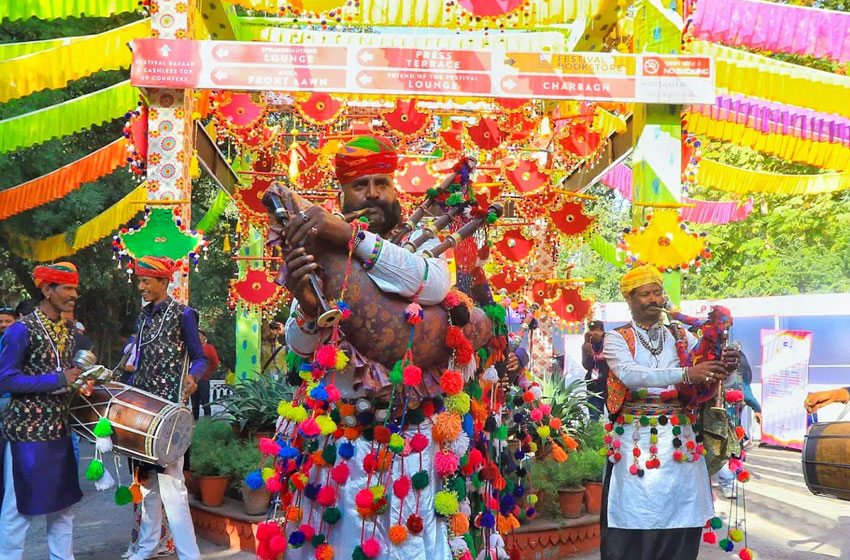
Though not a traditional fair, the Jaipur Literature Festival (JLF) has become one of India’s most globally recognized cultural gatherings. Writers, poets, thinkers, and travelers from around the world gather to discuss ideas, books, and art in the Pink City. Live music, workshops, and food stalls add a festive vibe, making it a modern fair of creativity and intellect.
When : April, January, October (three versions annually)
Where : Assam
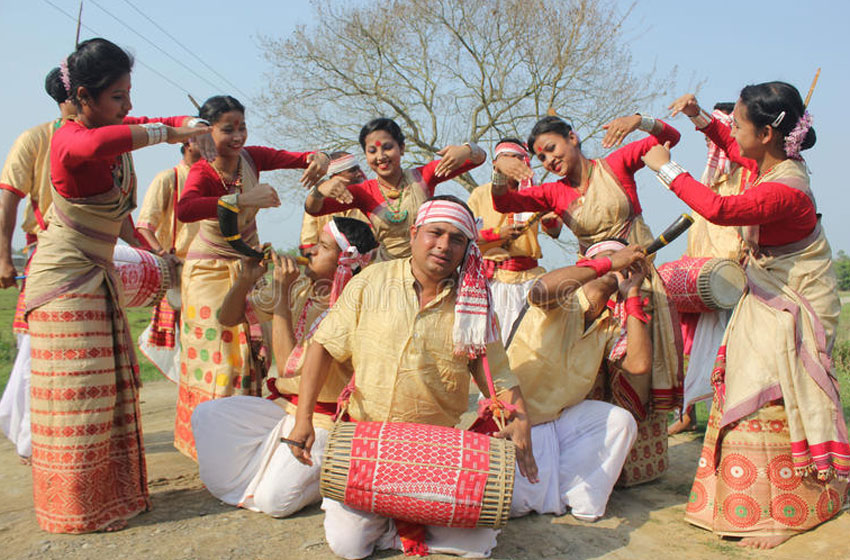
Celebrated three times a year, Bihu marks the agricultural cycle — Rongali (New Year), Bhogali (harvest), and Kongali (sowing). Villages come alive with folk dances, bamboo music, and feasts. It’s one of India’s most heartwarming rural festivals celebrating prosperity and community bonding.
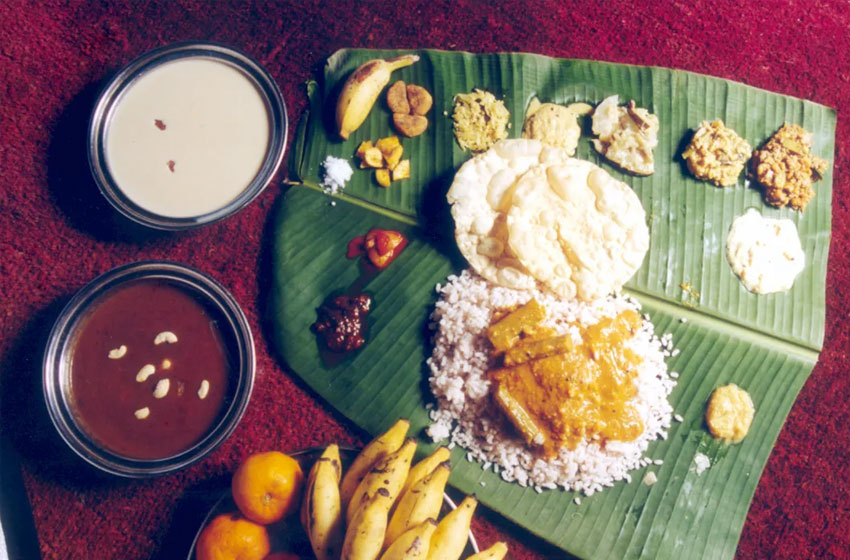
When : January (Pongal – Tamil Nadu) | August–September (Onam – Kerala)**
In the south, Pongal marks harvest season — people cook rice in new pots as a symbol of gratitude to the Sun God. In Kerala, Onam celebrates the return of the mythical King Mahabali with floral carpets, snake-boat races, and the grand feast Onasadya. Both festivals highlight the southern states’ cultural richness and hospitality.