A Guide of South India Tour
15 Apr 2021



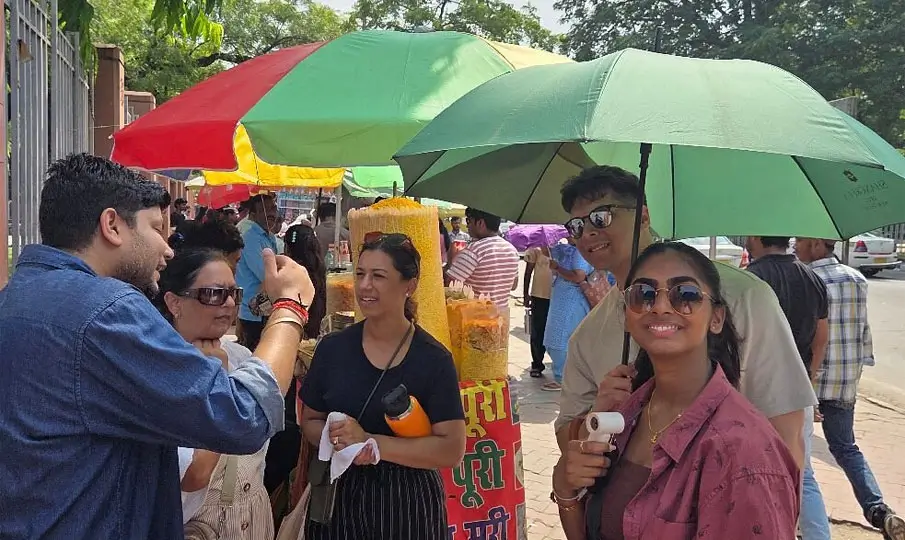
Packing for India is unlike packing for almost any other destination. First-time visitors often underestimate how diverse the country truly is. India is not one climate, one culture, or one travel style. In a single ten-day trip, travelers may experience modern cities, rural villages, humid coastlines, arid deserts, and cool hill regions. What works perfectly in one destination may feel impractical just two days later. This complexity is why generic packing lists frequently fail travelers visiting India for the first time. The challenge is not about carrying more items but about carrying the right ones. Clothing must balance comfort with cultural sensitivity, footwear must handle long walking days and uneven surfaces, and health essentials must prepare travelers for unfamiliar food and climate changes. From our experience assisting international guests across Rajasthan, the Golden Triangle, and beyond, packing correctly directly affects comfort, confidence, and overall enjoyment. This guide is designed to help travelers pack intelligently rather than excessively, aligning each item with India’s realities rather than assumptions.
India’s seasons influence daily life far more than many travelers expect. Summer, monsoon, and winter behave differently across regions, and temperature ranges can be dramatic. Understanding India travel packing list priorities begins with recognizing seasonal patterns. Summers are hot and dry in much of North India, while coastal regions remain humid year-round. Monsoon brings rain, greenery, and occasional disruption. Winters are mild in most cities but can feel cold in desert regions at night. Travelers who pack without seasonal awareness often struggle with discomfort, frequent laundry needs, or unnecessary purchases after arrival. Thoughtful packing anticipates these conditions rather than reacting to them mid-trip.
Packing for India and Need Expert Advice?
Not sure what to pack for your India trip? Get destination-specific packing tips, weather guidance, and complete travel support from our experts.
Summer travel in India demands breathable, lightweight clothing that supports long days of sightseeing. Temperatures in cities like Delhi, Jaipur, and Agra can feel intense, especially for visitors unaccustomed to heat. Natural fabrics such as cotton and linen are essential because they allow airflow and dry quickly. Loose silhouettes reduce heat retention while respecting cultural norms. Many foreign travelers underestimate how much walking they will do, so comfortable footwear becomes critical. Closed-toe walking shoes or breathable trainers protect against dust and uneven surfaces. Sun protection items such as hats and sunglasses are not optional; they are practical necessities. A refillable water bottle helps travelers stay hydrated throughout the day. From our experience, travelers who pack with heat management in mind adapt faster and enjoy sightseeing rather than rushing back to their hotel rooms.
Monsoon season transforms India visually and atmospherically. Landscapes turn lush, temperatures drop slightly, and rain becomes part of daily rhythm. Packing for this season focuses on flexibility and quick-drying essentials. Waterproof layers are more effective than heavy raincoats, especially in humid conditions. Footwear should be water-resistant and easy to dry, as streets can flood briefly during heavy showers. Clothing that dries overnight is invaluable. Many travelers overlook the importance of protecting electronics during monsoon travel. Dry bags or waterproof pouches prevent damage during sudden downpours. Despite rain, sightseeing continues, and travelers who pack thoughtfully often find monsoon travel surprisingly rewarding rather than inconvenient.
Winter surprises many first-time visitors. While daytime temperatures in most cities feel pleasant, mornings and evenings can be cold, especially in Rajasthan and northern regions. Packing layers is the most effective approach. Lightweight sweaters or fleece jackets handle temperature shifts without adding bulk. Scarves serve dual purposes, providing warmth and cultural appropriateness at religious sites. In desert regions, nights can feel particularly chilly, making an extra warm layer worthwhile. Winter packing is less about heavy coats and more about adaptable layering. Travelers who plan for temperature variation feel comfortable throughout the day rather than over- or under-dressed.
Clothing in India is about balance. Travelers do not need to dress like locals, but dressing respectfully reduces unwanted attention and enhances comfort. Modest clothing that covers shoulders and knees is widely appreciated, particularly in smaller towns and religious spaces. This does not mean sacrificing personal style. Many travelers find that flowing dresses, tunics, and relaxed trousers feel both stylish and practical. Understanding how to dress in India is less about strict rules and more about blending thoughtfully. Travelers who align their clothing choices with local norms often feel more confident and experience smoother interactions.
Footwear decisions can make or break a trip. India involves more walking than many travelers anticipate, often on uneven surfaces. Comfortable walking shoes with good grip are essential for city exploration and monument visits. Slip-on sandals are useful for hotel wear and quick outings but should not replace supportive footwear. Religious sites require shoes to be removed, so footwear that is easy to take on and off adds convenience. Travelers who pack impractical shoes often end up purchasing replacements locally, which may not meet their comfort needs.
Health preparation is a key part of packing essentials for India. Travelers should bring basic medications for headaches, stomach discomfort, and allergies, as brands may differ locally. Hand sanitizer and wet wipes are invaluable during sightseeing days. Sunscreen and insect repellent are particularly important in warmer regions and during monsoon season. A small personal medical kit reduces reliance on unfamiliar pharmacies. While India has excellent medical facilities in major cities, having familiar supplies offers reassurance and saves time.
India uses specific electrical plug types, and travelers should carry appropriate adapters. Power fluctuations can occur, making surge protectors useful for sensitive devices. A portable power bank ensures phones remain charged during long days out. Reliable internet access enhances navigation and communication, so an unlocked phone with a local SIM card is recommended. Offline maps and digital copies of travel documents add an extra layer of preparedness. Packing electronics thoughtfully supports safety and convenience throughout the trip.
Keeping documents organized simplifies travel immensely. Passports, visas, travel insurance details, and booking confirmations should be easily accessible. Many travelers carry both digital and physical copies as a precaution. A secure travel wallet helps protect valuables in busy areas. Understanding India travel requirements before arrival prevents last-minute stress. Organized documentation allows travelers to focus on experiences rather than administration.
Some of the most useful items are often overlooked. Reusable shopping bags reduce plastic use and come in handy at markets. Earplugs help with city noise during sleep. A compact flashlight or phone torch is useful in older hotels or during power cuts. Light laundry detergent packets allow travelers to wash clothes easily during longer trips. These small additions enhance comfort without adding much weight.
Overpacking creates unnecessary burden. Heavy luggage becomes inconvenient in hotels without elevators or during frequent transfers. Excessive valuables increase stress without adding value. Travelers do not need multiple outfits for each day, as laundry services are widely available. Understanding what to leave behind is as important as knowing what to bring. Experienced travelers often pack lighter on return visits, having learned what truly matters.
Packing decisions become easier when travelers understand their itinerary clearly. Knowing destinations, travel pace, and accommodation types removes guesswork. This is where working with experienced planners like India Trip Planners quietly helps. By aligning packing guidance with real itineraries, travelers avoid unnecessary items and feel prepared from day one. Practical advice tailored to specific routes transforms packing from anxiety into confidence.
Not Sure What to Pack for Your India Trip?
India’s climate and culture vary by region and season. Our travel experts help you create the perfect packing list so you travel light, smart, and stress-free.
Packing for India is not about preparing for every possible scenario but about aligning essentials with reality. Travelers who pack thoughtfully enjoy greater comfort, cultural ease, and flexibility. India rewards preparedness with richer experiences and fewer distractions. When travelers arrive confident in what they have brought, they move through the country with ease rather than hesitation. Smart packing sets the foundation for a journey defined by discovery rather than discomfort.
Yes, with proper adapters and basic precautions.
Generally no, layering is more effective than heavy coats.
Most essentials are widely available in cities and towns.
Yes, hotels and local services offer affordable laundry.
Shoes that are easy to remove are most practical.
Modesty considerations apply, but comfort remains key for all travelers.
Yes, especially during monsoon and in rural areas.
Lighter luggage enhances mobility and comfort.
Absolutely, knowing your route simplifies packing choices.
Yes, climate and culture vary widely, so adaptable clothing works best.