A Guide of South India Tour
15 Apr 2021



India is one of the most fascinating destinations in the world. It is a country where ancient traditions meet modern life, where centuries-old monuments stand beside bustling markets and vibrant cities. For many travelers, visiting India for the first time is both exciting and slightly intimidating because the country offers an experience unlike anywhere else.
Understanding a few important aspects before arriving in India can make the journey far more comfortable and enjoyable. Foreign visitors often discover that the country is full of warmth, hospitality, history, and cultural diversity. However, India is also very different from Western travel destinations, and preparing for those differences helps travelers navigate the country with confidence.
Travelers planning their first visit often search for guidance about culture, safety, transportation, and how to move between cities. Learning these essentials ensures that visitors can focus on enjoying their trip rather than worrying about unfamiliar situations.
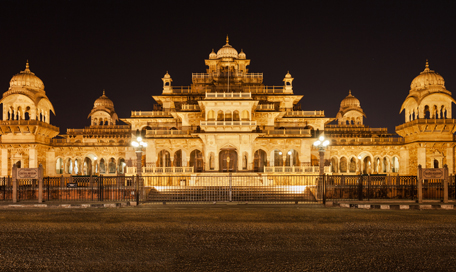
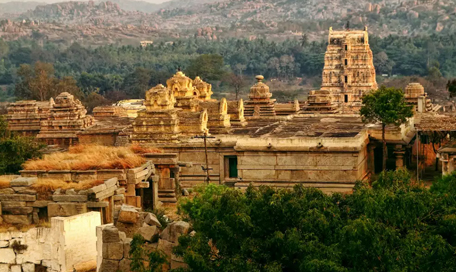
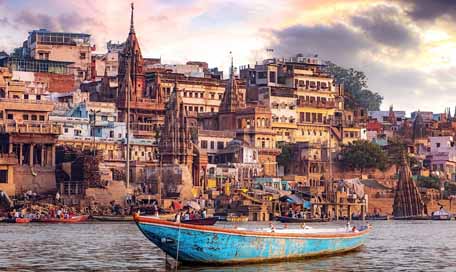
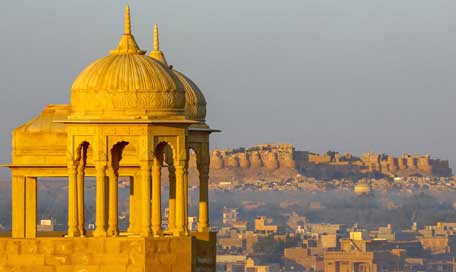
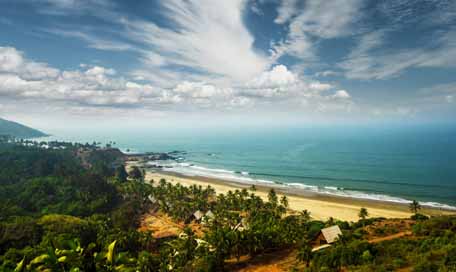
India is not just a single culture or language. It is a vast country made up of many regions, each with its own traditions, cuisines, architecture, and languages. A traveler visiting northern India will experience something very different from someone exploring southern or eastern regions.Cities such as Delhi, Jaipur, and Agra reflect centuries of Mughal and Rajput history with magnificent forts, palaces, and monuments. Meanwhile, other parts of India showcase colonial architecture, ancient temples, coastal landscapes, or Himalayan mountain towns.
For foreign tourists, this diversity can feel overwhelming at first. Instead of trying to see the entire country in one trip, it is better to focus on a specific region. Many travelers begin with the famous Golden Triangle tour of India, which offers an introduction to historical landmarks, vibrant markets, and royal architecture.
Exploring a few destinations deeply provides a more meaningful experience than rushing through many cities.
Travel to India with Confidence
It is important to know a few basic things before visiting India—such as the currency (INR), cash versus card usage, local customs, and safety tips.
India’s cultural traditions are deeply rooted in history and religion. Visitors often notice that daily life includes rituals, festivals, temple visits, and community celebrations.For travelers arriving from Western countries, the cultural atmosphere may feel very different. Streets can be lively and crowded, markets are colorful and energetic, and daily routines may look unfamiliar at first. However, many visitors quickly realize that these differences are part of what makes India so captivating.
Respecting local customs helps create positive interactions with people. Modest clothing is appreciated when visiting temples or religious sites. Removing shoes before entering temples or homes is also a common cultural practice.Foreign travelers who approach these traditions with curiosity and respect often experience genuine hospitality and warmth from local communities.
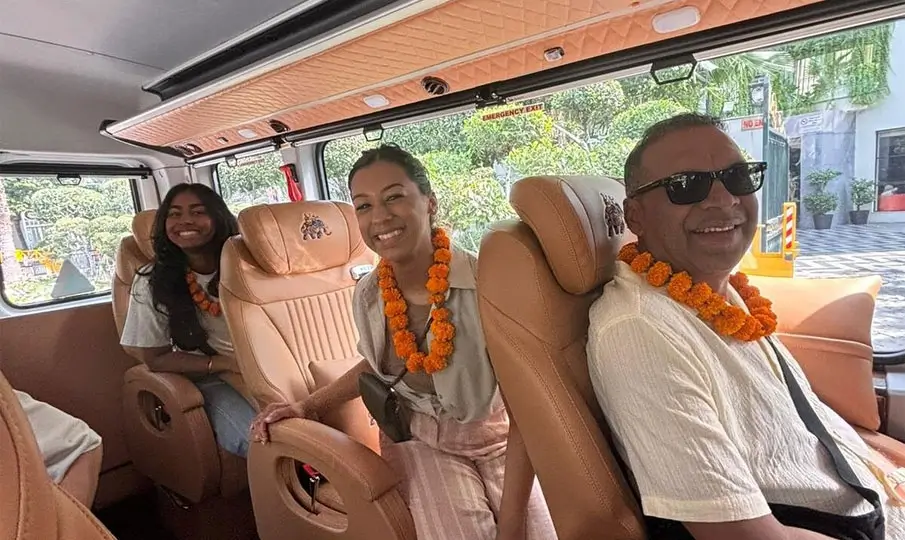
Transportation is one of the biggest concerns for travelers planning their first visit. India has an extensive network of trains, domestic flights, and highways connecting major cities. However, navigating these options for the first time can feel confusing.Many visitors prefer exploring the country with a private car and driver in India. This option provides comfort, flexibility, and the ability to travel at a relaxed pace. Having a local driver also helps travelers understand routes, stops, and travel times between cities.
Road journeys between destinations such as Delhi, Agra, and Jaipur often reveal countryside landscapes, small towns, roadside markets, and traditional villages. These experiences add depth to a journey and allow travelers to see aspects of India beyond the major monuments.Using a chauffeur-driven tour in India also removes the stress of navigating unfamiliar roads or public transportation systems.
Indian cuisine is famous around the world, but the variety available within the country itself is remarkable. Each region offers distinct flavors, spices, and cooking traditions.Northern Indian cuisine features dishes such as butter chicken, tandoori meats, and rich curries served with naan or roti. Rajasthan offers unique desert-inspired dishes, while street food markets present local snacks and regional specialties.
Foreign travelers sometimes worry about food safety before arriving. Choosing reputable restaurants, drinking bottled water, and eating freshly prepared meals usually ensures a comfortable dining experience.Many travelers also enjoy participating in cooking demonstrations or visiting traditional restaurants that showcase regional cuisine.Food often becomes one of the most memorable parts of a journey through India.
Daily life in India moves at its own pace. Markets open early, temples fill with visitors during prayer times, and streets come alive with activity throughout the day.Travelers may initially feel surprised by the lively environment, especially in large cities. Traffic, street vendors, and crowded markets can appear chaotic at first glance. However, locals navigate these environments with remarkable ease.
Spending time observing everyday life often becomes one of the most interesting aspects of visiting India. Watching artisans at work, exploring bazaars filled with textiles and handicrafts, or simply enjoying a cup of tea at a roadside café reveals the authentic character of the country.Travelers who allow themselves time to absorb these experiences often feel more connected to the places they visit.
Many travelers ask whether India is safe to visit. Like any large country, safety depends on awareness, preparation, and sensible travel choices.Most tourist destinations in India are accustomed to welcoming international visitors. Hotels, tour operators, guides, and drivers are experienced in assisting travelers from around the world.Staying aware of surroundings, using reputable transportation services, and following common travel precautions help ensure a smooth experience.
Visitors often find that locals are eager to help with directions, recommendations, and cultural explanations. Hospitality is deeply valued, and travelers frequently leave with stories of kindness and generosity from people they met along the way.
One of the most important steps before arriving in India is creating a realistic travel plan. Because distances between cities can be significant, thoughtful itinerary planning helps avoid unnecessary travel fatigue.
First-time travelers often benefit from focusing on a few destinations rather than trying to cover too much ground. Cities within the Golden Triangle region offer an excellent starting point because they showcase architecture, culture, and history in a compact travel route.
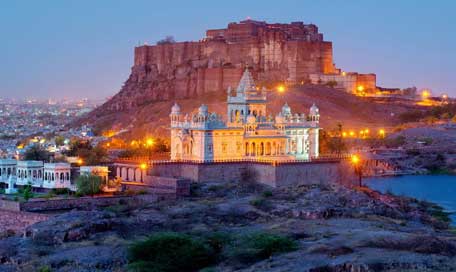
Adding destinations such as Udaipur, Ranthambore, or Jodhpur can further enrich the experience for travelers with additional time.A well-designed itinerary allows travelers to balance sightseeing with relaxation, cultural exploration, and memorable experiences.
India has many languages, but English is widely spoken in major cities and tourist destinations. Most hotels, restaurants, and tour services communicate comfortably in English, making it easier for international travelers to navigate daily activities.
However, visitors often enjoy learning a few local words or greetings during their stay. Even small attempts to use local phrases are appreciated and can create friendly interactions with people.
Communication in India is often warm and expressive, and conversations frequently lead to interesting cultural exchanges.
Be Fully Prepared Before You Arrive in India
India's culture, climate, and lifestyle are quite unique, so planning ahead is essential.
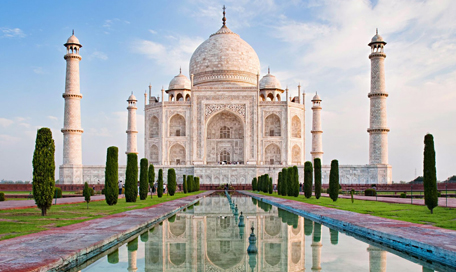
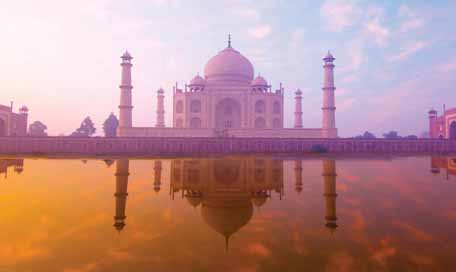
India is famous for landmarks such as the Taj Mahal, Jaipur’s Amber Fort, and Delhi’s Red Fort. While these monuments are extraordinary, the true character of India often reveals itself beyond the famous sites.
Walking through traditional markets, visiting artisan workshops, exploring historic neighborhoods, and attending cultural performances offer deeper insights into local life.
Travelers often discover that their favorite memories come from unexpected moments such as sharing tea with locals, witnessing traditional festivals, or watching sunset views from ancient fort walls.
These experiences transform a simple sightseeing trip into a meaningful journey.
Traveling to India for the first time can feel like stepping into an entirely new world. The country offers colors, sounds, flavors, and traditions that create a powerful impression on visitors.
Approaching the journey with curiosity and patience allows travelers to appreciate the beauty of India’s diversity. Each city reveals layers of history, art, and culture that have evolved over thousands of years.
Visitors who take time to understand the rhythm of the country often find that India becomes more than just a travel destination. It becomes an experience that leaves lasting memories and inspires future journeys.
Mr. Mohit from India Trip Planners helps international travelers design comfortable journeys with experienced drivers and carefully planned itineraries.
Many travelers return to explore different regions and cultural experiences.
Visitors should dress modestly in religious places and remove shoes before entering temples.
Choosing reputable restaurants and drinking bottled water usually ensures a safe dining experience.
Yes, many visitors travel with a private driver in India for convenience.
Most travelers spend around ten to fourteen days for their first visit.
Many travelers explore independently, but guides can provide deeper cultural insights.
India can feel different from Western destinations, but good planning makes travel comfortable.
Travelers should understand cultural customs, transportation options, food safety, and how to plan their itinerary.
The Golden Triangle route connecting Delhi, Agra, and Jaipur is very popular.
English is commonly used in tourist areas, hotels, and restaurants.