
A Guide of South India Tour
15 Apr 2021



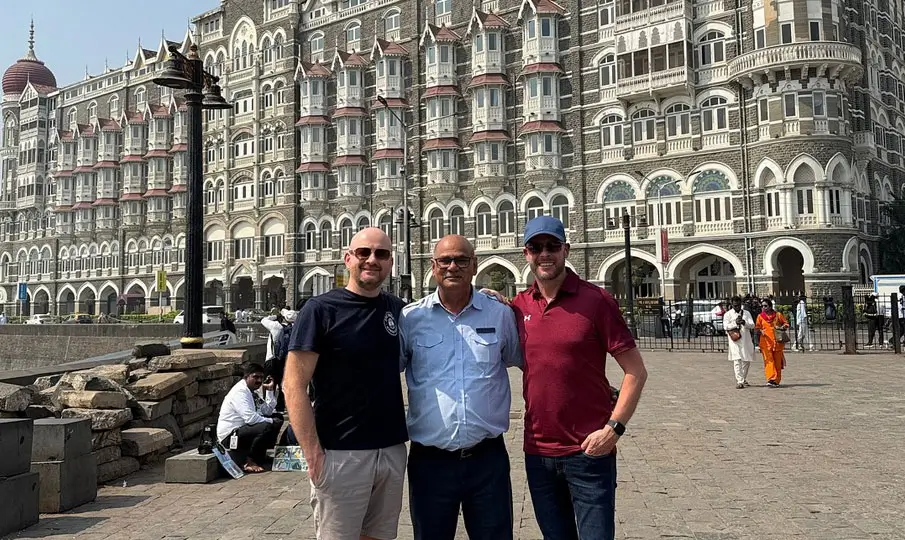
For many international travelers, tipping can be one of the most confusing aspects of visiting a new country. India is no exception. The concept of tipping exists across various services, but it is not always structured or clearly defined. This creates uncertainty for visitors who are unfamiliar with tipping culture in India for tourists and want to avoid awkward situations.
Unlike countries where tipping is mandatory or strictly expected, India operates on a more flexible system. In some situations, tipping is appreciated but not required, while in others it is considered a standard part of the service experience. Understanding this balance is important because it helps you interact confidently without overpaying or under-tipping.
In general, tipping in India is seen as a gesture of appreciation rather than an obligation. Service providers such as drivers, guides, hotel staff, and restaurant workers often receive tips, but the amount and frequency depend on the level of service and your satisfaction. This means that there is no fixed rule, but there are common practices that most travelers follow.
For those traveling across multiple cities using a private car and driver in India, tipping becomes an important part of the overall experience. Since drivers are with you throughout the journey, understanding how to tip fairly ensures a positive and respectful relationship.
If you are unsure about travel planning, service standards, or local practices, you can always seek professional guidance. You may contact Mr. Mohit at +91-9999822478 or info@indiatripplanners.com for personalized assistance and reliable travel advice.
Get practical travel tips, private car assistance & expert support for a stress-free India experience.
Understanding who to tip is just as important as knowing how much to tip. In India, tipping is common across several service categories, but it is not universal. Knowing where tipping is expected helps you manage your budget and avoid confusion.
The most common people who receive tips are drivers, tour guides, hotel staff, and restaurant servers. If you are traveling with a car rental with driver in India, your driver will likely be with you throughout the trip, assisting with routes, stops, and local insights. In such cases, tipping is a way to acknowledge their consistent service and effort.
Tour guides are another category where tipping is expected, especially if they provide detailed explanations and enhance your understanding of the destination. A knowledgeable guide can significantly improve your experience, making tipping a reasonable gesture of appreciation.
Hotel staff, including porters, housekeeping, and concierge services, may also receive tips depending on the level of service provided. In restaurants, tipping is common but not always mandatory, especially if a service charge is already included in the bill.
It is important to note that tipping should always be based on service quality. You are not obligated to tip if the service does not meet your expectations. Understanding who to tip in India allows you to navigate these situations confidently.
One of the biggest concerns travelers have is determining the appropriate amount to tip. Since there is no fixed percentage or rule, it can be difficult to decide what is considered fair. Understanding how much to tip in India helps you avoid both overpaying and under-tipping.
For drivers, the tip usually depends on the duration of the service and the level of assistance provided. For a full-day service, a moderate tip is generally appreciated, especially if the driver has been helpful and professional throughout the journey.
Tour guides are typically tipped based on the quality of their explanation and engagement. A good guide who provides detailed insights and makes the experience enjoyable deserves a higher tip compared to minimal service.
In restaurants, tipping around a small percentage of the bill is common if service charge is not included. However, if the bill already includes a service charge, additional tipping is optional.
Hotel staff are usually tipped small amounts for specific services such as carrying luggage or housekeeping. These tips are modest and given as a token of appreciation.
The key is to maintain balance. Tipping should reflect your satisfaction without becoming excessive. Understanding fair tipping in India ensures that you contribute appropriately without feeling pressured.
Tipping in India is not always expected, and understanding when it is appropriate helps you avoid unnecessary spending. In many cases, tipping is optional and depends on your experience rather than a strict rule.
In high-end hotels and restaurants, a service charge is often included in the bill. In such situations, additional tipping is not required, although some travelers may choose to leave a small extra amount for exceptional service.
For transportation services such as taxis or short rides, tipping is not always expected. However, rounding up the fare is a common practice and is generally appreciated.
In contrast, tipping is more common in situations where service is personalized, such as with a private driver in India or a dedicated tour guide. Since these services involve continuous interaction and support, tipping becomes a way to acknowledge their effort.
Understanding when to tip in India allows you to make informed decisions and ensures that your actions align with local practices.
From tipping customs to local travel advice, our experts can help you enjoy a comfortable India journey.
Many travelers make mistakes when it comes to tipping, often due to lack of information or assumptions based on other countries. One common mistake is tipping too much, assuming that higher tips are always expected. This can lead to unnecessary expenses and unrealistic expectations.
Another mistake is not considering service quality. Tipping should reflect your experience, and it is not mandatory in every situation. Automatically tipping without evaluating the service can lead to inconsistent practices.
Some travelers also get confused by service charges in restaurants, leading to double tipping. Understanding the bill and knowing whether service is already included helps you avoid this issue.
Being aware of these mistakes ensures that you approach tipping with confidence and clarity. Understanding tourist tipping mistakes in India helps you manage your expenses more effectively.
Tipping, when done correctly, can enhance your overall travel experience. It creates a positive interaction between you and service providers, leading to better service and smoother communication.
For example, a well-tipped driver or guide is more likely to go the extra mile, offering suggestions, assisting with local insights, and ensuring your comfort. This improves the quality of your journey and makes it more enjoyable.
At the same time, tipping should not feel like a burden. It is meant to be a gesture of appreciation, not an obligation. Maintaining this perspective ensures that your travel experience remains positive and stress-free.
If you need guidance on planning your trip, choosing services, or understanding local practices, you can reach out to Mr. Mohit at +91-9999822478 or info@indiatripplanners.com for expert support and reliable travel consultation.
Understand local practices, evaluate service quality, and tip reasonably based on your experience.
Yes, tipping is optional and should reflect your experience.
Yes, especially if the guide provides detailed and engaging explanations.
Proper tipping often leads to better service and more personalized assistance.
Over-tipping, double tipping, and tipping without considering service quality are common mistakes.
Tipping is not mandatory, but rounding up the fare is a common practice.
Yes, small tips are commonly given for services like carrying luggage or cleaning rooms.
If a service charge is included, additional tipping is not necessary, although a small extra amount may be given for exceptional service.
The tip depends on the duration and quality of service, but it is usually given as a daily amount reflecting the driver’s effort and professionalism.
Tipping in India is generally optional and based on service quality. While it is appreciated in many situations, it is not strictly mandatory.