A Guide of South India Tour
15 Apr 2021



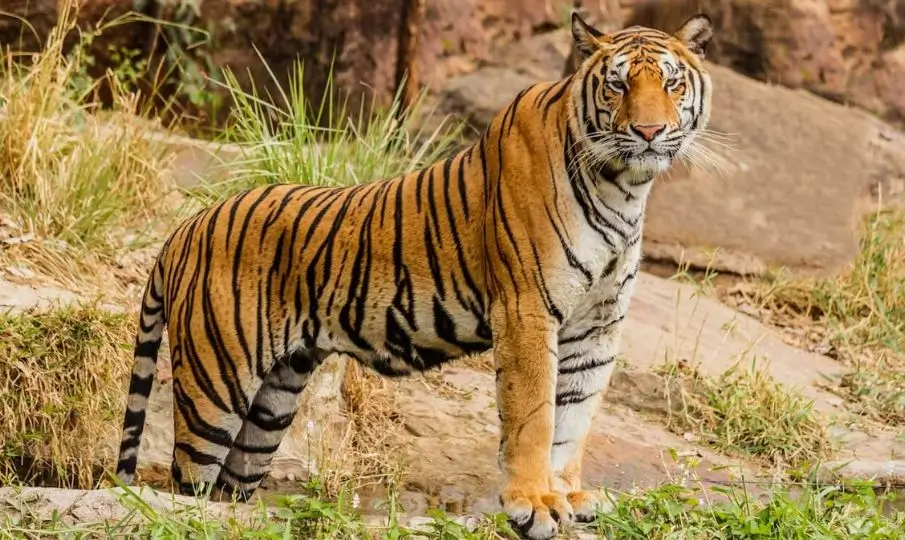
A Ranthambore tiger safari is one of the most sought-after wildlife experiences in India, especially for foreign travelers who want to see Bengal tigers in their natural habitat. Unlike zoo environments or controlled reserves, Ranthambore offers a raw and unpredictable encounter with wildlife inside a protected national park. The thrill of spotting a tiger in the wild, combined with the rugged landscape of Rajasthan, creates a powerful travel experience that goes far beyond traditional sightseeing.
Located near Sawai Madhopur, Ranthambore National Park is known for its relatively high chances of tiger sightings compared to many other reserves in India. This makes it a preferred destination for those planning a wildlife safari in India for foreign tourists. However, the experience depends heavily on planning, timing, and understanding how the safari system works.
One of the key aspects that travelers must understand is that tiger sightings are never guaranteed. The safari operates within a natural ecosystem where animals move freely, and sightings depend on multiple factors such as time of day, weather, and zone allocation. This unpredictability is part of what makes the experience authentic and exciting. A well-planned Ranthambore safari tour focuses not just on tiger sightings but also on enjoying the overall wildlife environment, including deer, leopards, birds, and the unique forest landscape.
The safari itself is conducted in open vehicles, either jeeps or canters, accompanied by trained drivers and naturalist guides. These experts track animal movements, interpret signs, and enhance the experience by explaining the ecosystem. For foreign travelers, having a knowledgeable guide adds immense value, turning the safari into an educational journey rather than just a ride through the forest.
Another important factor is the structure of safari timings. The park operates in two main slots each day, morning and afternoon. Each slot lasts for a few hours, and entry is strictly regulated. This system ensures that the park remains protected while allowing visitors to explore it in a controlled manner. Choosing the right slot is crucial for maximizing the chances of wildlife sightings.
Comfort and preparation also play a role in the overall experience. Early morning safaris can be cold, while afternoon safaris may be warm depending on the season. Wearing appropriate clothing, carrying essentials, and following instructions from guides contribute to a smooth and enjoyable safari.
For those planning a Ranthambore tiger safari from Jaipur or Delhi, it is important to integrate the safari into a larger itinerary. Many travelers combine it with the Golden Triangle route, adding a wildlife dimension to their trip. This combination creates a well-rounded journey that includes history, culture, and nature.
Ultimately, the Ranthambore safari is not just about seeing a tiger. It is about experiencing the wilderness, understanding the ecosystem, and appreciating the efforts involved in wildlife conservation. With proper planning, a Ranthambore tiger safari booking becomes one of the most memorable highlights of an India trip.
Don't miss the chance to explore one of India's most famous tiger reserves. Book your Ranthambore safari with expert assistance, choose the best safari zones, and enjoy an unforgettable wildlife experience in the heart of Rajasthan.
Ranthambore National Park is divided into multiple safari zones, each offering a slightly different landscape and wildlife experience. Understanding these zones is essential when planning a Ranthambore safari booking, as it helps set realistic expectations and improves the overall experience.
The park is generally divided into core zones and buffer zones. Core zones are considered the main areas where tiger sightings are more frequent, while buffer zones offer a quieter environment with fewer vehicles. Both have their own appeal, and the choice depends on traveler preferences.
Core zones such as Zone 1 to Zone 5 are often preferred by visitors because of their historical reputation for tiger sightings. These areas include water bodies, dense forest patches, and open grasslands, creating ideal conditions for wildlife movement. However, it is important to note that zone allocation is done by the forest department and cannot always be selected manually. A Ranthambore tiger safari zone allocation is typically confirmed closer to the safari date.
Buffer zones, which include Zone 6 to Zone 10, have gained popularity in recent years. These areas are less crowded and offer a more peaceful safari experience. While tiger sightings may be slightly less frequent compared to core zones, they still occur, and the overall wildlife environment remains rich. For travelers who prefer a quieter experience, these zones can be a good option.
Each zone has its own unique features. Some are known for lakes and scenic views, while others have rocky terrain and dense vegetation. This diversity ensures that no two safaris feel the same. A well-informed Ranthambore safari guide helps visitors understand the characteristics of each zone and appreciate the differences.
It is also important to understand that multiple factors influence sightings, not just the zone. Time of day, recent animal movement, and even luck play a role. Focusing only on “best zones” can create unrealistic expectations. Instead, travelers should approach the safari as a complete wildlife experience.
Booking through a reliable operator ensures that the process is smooth and transparent. A proper Ranthambore safari booking system includes permits, vehicle allocation, and guide arrangements, all managed in advance. This reduces last-minute confusion and allows travelers to focus on the experience.
In summary, while certain zones may have a stronger reputation, every zone in Ranthambore offers something unique. The key is to plan well, remain flexible, and enjoy the natural environment regardless of where the safari takes place.
Choosing between a jeep and a canter is an important decision when planning a Ranthambore tiger safari, as it directly affects the overall experience. Both options provide access to the same zones, but they differ in comfort, flexibility, and viewing quality.
A jeep safari is conducted in a smaller vehicle that accommodates up to six travelers. This option is considered more exclusive and offers a personalized experience. With fewer people in the vehicle, there is more space to move, better visibility, and greater flexibility in positioning for wildlife sightings. A jeep safari in Ranthambore is often preferred by photographers and travelers who want a more intimate experience.
The smaller size of the jeep also allows it to navigate certain areas more easily, which can be an advantage when tracking animal movement. Drivers and guides in jeep safaris often communicate with each other, sharing information about sightings and adjusting routes accordingly. This increases the chances of encountering wildlife.
On the other hand, a canter safari is conducted in a larger open vehicle that accommodates around twenty travelers. This option is more budget-friendly and suitable for those who are comfortable sharing the experience with a larger group. A canter safari in Ranthambore provides a broader social experience, where travelers from different backgrounds share the journey.
While canters offer a higher seating position, which can be beneficial for viewing, they are less flexible compared to jeeps. The larger size limits maneuverability, and with more people onboard, individual visibility may vary depending on seating position.
Cost is another factor to consider. Jeep safaris are generally more expensive due to the limited seating and higher level of exclusivity. Canters are more economical, making them a popular choice for budget-conscious travelers. However, for those prioritizing comfort and experience quality, the additional cost of a jeep is often justified.
Both options include a driver and a trained guide, ensuring that the safari remains informative regardless of the vehicle type. The choice ultimately depends on personal preference, budget, and the type of experience desired.
For foreign travelers planning a Ranthambore safari tour, it is advisable to book in advance, especially during peak seasons. Availability can be limited, and last-minute bookings may not offer the preferred option.
Understanding the differences between jeep and canter safaris helps travelers make an informed decision, ensuring that their Ranthambore wildlife safari aligns with their expectations.
The timing of a Ranthambore tiger safari plays a crucial role in determining the overall experience. The park remains open for several months each year, and each season offers a different environment, affecting both comfort and wildlife activity.
The cooler months are considered the most comfortable for travel. During this period, the weather is pleasant, making safaris enjoyable without extreme temperatures. Wildlife activity remains steady, and the overall experience is balanced between comfort and visibility.
As the season progresses and temperatures rise, the landscape begins to change. Water sources become more limited, and animals, including tigers, tend to gather around these areas. This increases the chances of sightings, making the warmer months popular among wildlife enthusiasts. However, the heat can be intense, especially during afternoon safaris.
Monsoon months typically see the park closed or partially restricted, as heavy rains affect accessibility and safety. This period is generally avoided for safari planning.
For foreign travelers, choosing the best time to visit Ranthambore for tiger safari depends on personal preference. Those who prioritize comfort may prefer cooler months, while those focused on higher sighting chances may consider warmer periods.
Morning and afternoon safaris offer different experiences within the same day. Morning safaris provide a fresh environment with active wildlife, while afternoon safaris offer warmer conditions and different animal behavior patterns. Selecting the right timing enhances the overall safari experience.
Planning ahead is essential, as safari slots fill quickly during peak travel periods. A well-organized Ranthambore safari booking guide ensures that travelers secure their preferred dates and timings without last-minute issues.
Understanding seasonal variations helps travelers set realistic expectations and prepare accordingly. Each season offers unique advantages, and with proper planning, a Ranthambore tiger safari tour can be rewarding at any time.
Embark on an exciting journey through Ranthambore National Park and witness its rich wildlife, scenic landscapes, and diverse birdlife. Our team can help you arrange the ideal safari experience for your travel dates.
Understanding the cost of a Ranthambore tiger safari booking is important for planning a realistic travel budget. The total cost depends on factors such as vehicle type, nationality, and additional services.
The base cost includes the safari permit, vehicle charges, and guide fees. For foreign tourists, a jeep safari typically ranges between 80 to 150 USD per person, depending on sharing and availability. Canter safaris are more economical, usually costing between 50 to 90 USD per person.
Accommodation near Ranthambore is an additional expense. Mid-range hotels generally cost between 70 to 150 USD per night, while luxury resorts can go significantly higher. Many travelers choose packages that include accommodation, meals, and safari bookings for convenience.
Transport to Ranthambore from cities like Jaipur or Delhi is another factor. Private car transfers from Jaipur usually cost between 60 to 120 USD, depending on the vehicle type. From Delhi, the cost is higher due to the longer distance.
Guide services are included in the safari cost, but additional guided tours or nature walks may have separate charges. Meals are often included in hotel packages, reducing daily expenses.
When combined, a Ranthambore safari tour cost for foreign tourists typically ranges between 200 to 500 USD per person for a short stay including safaris, accommodation, and transport. The exact cost depends on the level of comfort and services chosen.
Booking through a reliable operator ensures transparency and avoids hidden charges. A clear Ranthambore safari cost breakdown helps travelers understand what is included and plan accordingly.
Investing in a well-organized safari experience enhances the overall journey, making it comfortable, safe, and memorable.
Yes, advance booking is strongly recommended due to limited availability.
Yes, but they should be supervised at all times.
Comfortable clothing in neutral colors is recommended.
Zone allocation is usually done by the forest department and cannot be guaranteed.
Yes, safaris are conducted under strict regulations with trained guides.
Booking at least two safaris increases the chances of sightings.
It is approximately 3 to 4 hours by road.
Jeeps offer a more private experience, while canters are more budget-friendly.
There are multiple zones, including core and buffer areas, each offering a different experience.
No, sightings depend on natural movement, but chances are relatively high compared to other parks.