A Guide of South India Tour
15 Apr 2021



A ten-day private road journey is long enough to cover several of North India’s most important destinations without turning the entire holiday into a sequence of long transfers. For foreign travelers arriving in Delhi, ten days can comfortably include Delhi, Agra, Jaipur and selected Rajasthan destinations when the route is arranged in a sensible order.
Hiring a private driver in India for 10 days gives travelers a dedicated vehicle for airport pickup, intercity transfers, sightseeing transportation and hotel transfers throughout the agreed journey. The service is particularly useful for couples, families, senior travelers and visitors carrying several pieces of luggage because it removes the need to arrange new transport in every city.
The real cost depends on much more than the number of days. Vehicle category, total distance, city sequence, driver allowance, road tolls, interstate taxes, parking and final drop location all affect the quotation. A ten-day trip ending in Udaipur can cost differently from one that returns all the way to Delhi because the vehicle may need to travel additional kilometres.
For most international travelers, a practical 10-day India tour with private driver should be assessed as a complete travel arrangement rather than simply a daily taxi rate. The vehicle should be comfortable enough for several four- to six-hour road sectors, the route should avoid unnecessary backtracking, and the quotation should make every major inclusion clear before payment.
A realistic private driver India 10 days cost depends primarily on the vehicle selected and the number of kilometres covered. For one or two travelers using a good air-conditioned sedan, a ten-day multi-city road journey can reasonably be budgeted at approximately ₹60,000 to ₹85,000 when the route includes Delhi, Agra, Jaipur and one or two Rajasthan destinations.
A larger premium vehicle such as an Innova or Innova Crysta can generally sit around ₹80,000 to ₹1,10,000 or more for the same duration. The higher price reflects the larger vehicle category, additional fuel consumption and greater passenger and luggage capacity.
For a family or group using a Tempo Traveller with driver, ten days can cost roughly ₹1,00,000 to ₹1,50,000 or more, depending on seating configuration, route length and vehicle specification. Luxury Tempo Traveller models with upgraded seating and interiors can cost substantially more than standard tourist vehicles.
These figures should ideally cover the agreed route, fuel, driver allowance, normal tolls, state taxes and parking when quoted as a complete package. Travelers should never assume that every low online rate includes these expenses. Some operators quote a base vehicle figure and add road charges later, which can make an apparently cheap option considerably more expensive after arrival.
The starting and ending city also influence the price. A trip beginning in Delhi and ending in Jaipur may require the operator to reposition the vehicle after the guests leave. A trip ending in Udaipur creates an even longer empty return journey unless the vehicle has another booking nearby. Some operators build this into the quotation, while others add a separate one-way charge.
A couple should therefore avoid asking only, “What is your daily driver rate?” A better question is, “What is the complete price for this exact ten-day route including fuel, tolls, parking, taxes and driver expenses?” That produces a much more useful India car and driver cost.
One of the strongest routes for a first visit is Delhi, Agra, Jaipur, Jodhpur and Udaipur. This gives travelers Mughal architecture, Rajasthan heritage, major forts, old cities and a broad variety of landscapes without forcing the itinerary into an unrealistic pace.
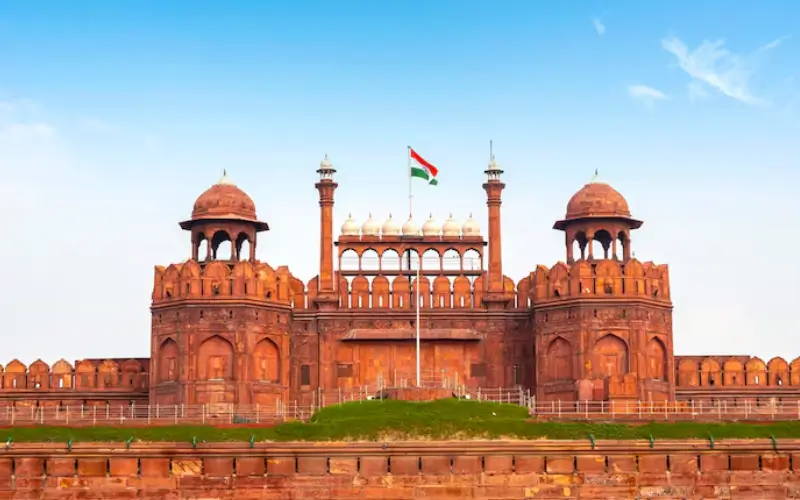
Delhi should receive at least two nights. International travelers often arrive after a long flight, and trying to complete major sightseeing immediately after airport arrival can make the first day unnecessarily exhausting. Two nights create room for Old Delhi, Humayun’s Tomb, Qutub Minar, India Gate and other selected attractions without rushing across the city.
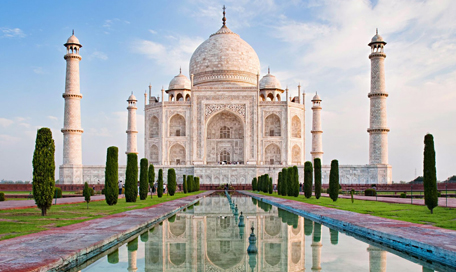
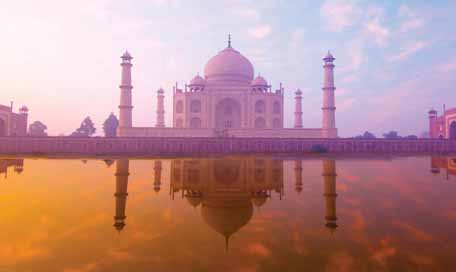
Delhi to Agra normally takes around three to four hours by road under ordinary traffic conditions. Agra can be kept to one night if the schedule includes an afternoon visit to Agra Fort or Mehtab Bagh followed by a sunrise Taj Mahal visit the next morning.
Agra to Jaipur generally requires around four to five hours without major sightseeing stops. Many travelers include Fatehpur Sikri on the way, which turns the journey into a longer transfer day but adds one of the most important Mughal sites outside Agra.
Jaipur deserves at least two nights. Amber Fort, City Palace, Jantar Mantar and the old-city areas already require a full day, while an additional half day can be used for local markets, Nahargarh viewpoints, textile workshops or a more relaxed city experience.
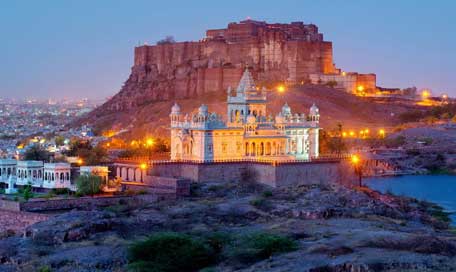
Jaipur to Jodhpur commonly takes five to six hours. Jodhpur benefits from two nights because Mehrangarh Fort, Jaswant Thada and the old city deserve enough time to visit properly.
Jodhpur to Udaipur generally takes around five hours directly. Travelers who include Ranakpur should expect a longer day because the temple visit adds time to the route. Udaipur then works well as the final two-night stop because the city’s lake setting provides a more relaxed finish to the road journey.
A 10-day India itinerary with private driver can therefore feel complete without including too many cities.
A properly written quotation for a private car with driver in India for 10 days should identify the vehicle category, complete route and all major road expenses.
Fuel is one of the most important inclusions. If the operator has provided a fixed trip price, travelers should confirm whether fuel for the entire agreed route is included. A low daily figure can become expensive if fuel is charged separately.
Driver allowance should also be covered. The driver is travelling away from home for several nights and needs meals and accommodation. Reputable operators normally account for these costs internally rather than asking guests to pay separately every night.
Tolls and interstate road taxes should be clarified before booking. A route passing through Delhi, Uttar Pradesh and Rajasthan can involve several road charges, and these should not become unexpected cash requests.
Ordinary parking should also be discussed. Hotels, monuments and city parking areas can charge fees, and a good fixed quotation often includes normal parking expenses.
Airport pickup and final transfer should appear in the confirmed itinerary if required. If the driver is collecting the travelers from Delhi International Airport and dropping them at Udaipur Airport ten days later, both services should be written into the booking.
Travelers should also know whether the vehicle is available for local sightseeing in each city or only for intercity transfers. In a true private driver tour in India, sightseeing transport is normally part of the agreed service, but it should still be stated clearly.
A private driver does not automatically include professional licensed guiding. Historical sightseeing guides should be listed separately when provided.
Vehicle choice becomes much more important on a ten-day journey than on a simple airport transfer. Travelers may spend four, five or six hours in the car on several days, so comfort and luggage capacity matter.
A sedan works well for one traveler or a couple carrying moderate luggage. It offers the lowest transportation cost and is perfectly suitable for routes such as Delhi to Agra and Agra to Jaipur.
For two travelers carrying large international suitcases, an Innova Crysta with driver in India can be worth the additional price. The larger cabin, higher seating and improved luggage flexibility become particularly useful on long Rajasthan sectors.
Three or four adults should think carefully before selecting a sedan only to save money. Even if the vehicle technically has enough passenger seats, luggage can make the trip uncomfortable. A larger MPV is generally the better choice for this group size.
Families with children often appreciate additional cabin space as well. Long road journeys become easier when passengers are not sitting tightly together for several hours.
For groups of five or more, a Tempo Traveller with private driver is usually the practical option. Travelers should confirm the seating arrangement and luggage capacity because a vehicle with several passenger seats does not automatically have enough space for several large suitcases.
The cheapest vehicle category is not always the best value. Over ten days, spending slightly more on comfort can make a noticeable difference to the quality of the holiday.
Accommodation can change the complete trip cost more than transportation. Nine hotel nights create a substantial difference between a simple mid-range package and a premium holiday.
Comfortable three-star and boutique properties may cost approximately ₹4,000 to ₹8,000 per room per night. Across nine nights, this can mean around ₹36,000 to ₹72,000 per room.
Better four-star hotels can commonly cost ₹7,000 to ₹15,000 per night, giving a total of approximately ₹63,000 to ₹1,35,000 for nine nights.
Five-star accommodation can begin around ₹15,000 to ₹30,000 per night and rise significantly at premium properties. A nine-night five-star trip can therefore cost ₹1,35,000 to ₹2,70,000 or more in accommodation alone.
Rajasthan heritage hotels create an even wider range. Some haveli-style properties offer good character at moderate rates, while palace hotels can cost more than the private vehicle for the entire day.
For a 10-day private India tour package, travelers should ask for the exact hotel names and room categories rather than relying only on star classifications. A centrally located four-star hotel can sometimes provide better practical value than a cheaper property far outside the main sightseeing area.
Location matters especially in Jaipur and Udaipur. Reducing unnecessary city driving can improve both comfort and sightseeing time.
Monument entrance fees are commonly excluded from private car packages unless specifically included. Foreign visitor ticket prices are often higher than domestic prices, so a couple visiting several major attractions should keep a separate sightseeing budget.
For ten days covering Delhi, Agra, Jaipur, Jodhpur and Udaipur, keeping around ₹15,000 to ₹25,000 for two travelers for entrance fees provides a useful working range. The exact amount will depend on the final list of monuments.
Professional local guides can cost around ₹2,000 to ₹5,000 or more per city, depending on duration, language and service level. Agra, Jaipur and Delhi are the cities where many foreign travelers find professional guiding especially useful.
Meals are another major daily expense. Breakfast is commonly included with hotels, but lunch and dinner are often separate.
A comfortable lunch can cost around ₹700 to ₹1,500 per person, while dinner at a stronger tourist-friendly restaurant may cost approximately ₹1,000 to ₹2,500 per person.
For two travelers, a practical meal budget of ₹3,000 to ₹6,000 per day works well for lunch, dinner, drinks, coffee and snacks. Across ten days, this can mean around ₹30,000 to ₹60,000.
Luxury hotel dining, alcohol and premium restaurants can take the amount considerably higher.
Shopping should remain completely separate because Rajasthan’s textiles, handicrafts, jewellery and leather goods can vary from inexpensive souvenirs to major purchases.
For two travelers using a sedan, comfortable mid-range hotels and selected local guides, a ten-day private road journey can reasonably cost around ₹1,60,000 to ₹2,40,000 for two people, excluding international flights.
This can include approximately ₹60,000 to ₹85,000 for the private vehicle, ₹40,000 to ₹75,000 for accommodation, ₹15,000 to ₹25,000 for sightseeing, and additional money for meals and personal expenses.
A stronger four-star package using an Innova Crysta can sit around ₹2,20,000 to ₹3,25,000 for two people.
A premium five-star journey can move beyond ₹3,50,000 to ₹5,00,000 very easily, particularly when palace hotels, private activities and high-end dining are added.
These figures are intended as realistic working budgets rather than bargain rates. Travelers should still obtain a quotation based on the exact route.
A 10-day India private tour cost can sometimes be reduced by using a sedan, choosing boutique hotels rather than luxury properties and keeping some sightseeing independent. It can also increase quickly when the route contains long detours or expensive hotel categories.
Realistic road timing is essential because India’s map distances do not always translate into quick driving.
Delhi to Agra commonly takes around three to four hours.
Agra to Jaipur generally takes four to five hours without major stops. Adding Fatehpur Sikri can extend the day substantially.
Jaipur to Jodhpur often requires five to six hours.
Jodhpur to Udaipur commonly takes around five hours directly. A Ranakpur stop can turn it into a full-day transfer with sightseeing.
Delhi to Jaipur often takes five to six hours depending on traffic.
These times are approximate because road conditions, city traffic, weather and rest stops can affect actual arrival times.
Travelers should be cautious about itineraries that promise too much sightseeing immediately after every long transfer. A route may look efficient on paper while feeling exhausting in practice.
The advantage of a private car and driver in India is the ability to stop when needed, but the route should still remain realistic.
Ten days can easily become too busy when travelers try to include Delhi, Agra, Jaipur, Ranthambore, Jodhpur, Udaipur and Jaisalmer in the same trip.
Technically, several combinations are possible, but the experience can become dominated by check-ins, check-outs and long drives.
Jaisalmer is the clearest example. It is an excellent destination, but it sits far west and requires substantial road time. Adding it to a ten-day itinerary normally means removing another city or accepting a much faster pace.
Ranthambore also needs careful timing because safari schedules are fixed and cannot be treated like ordinary sightseeing. A traveler wanting tiger safari time should usually reduce the number of heritage cities.
A strong 10-day private driver tour should focus on a coherent route rather than maximum destination count.
Two nights in major cities are generally more valuable than repeatedly staying only one night.
The best route is one where travelers still have energy to enjoy the final three days.
Travelers should request a written quotation showing the complete route and exact vehicle category.
The document should explain whether fuel, tolls, parking, interstate taxes and driver allowance are included.
If hotels are part of the package, the names, room categories and meal basis should appear in writing.
If local guides are included, the relevant cities should be named.
Monument tickets should be marked clearly as included or excluded.
Travelers should also check the payment schedule. A deposit is common because vehicles, hotels and guides may need to be reserved. The amount due later and the payment method should be stated clearly.
Cancellation rules should be reviewed carefully because hotel cancellation policies can differ from vehicle terms.
The final drop location is also important. If the guests finish in Udaipur rather than Delhi, the quotation should already account for the vehicle logistics.
A transparent India private driver booking should leave very little uncertainty about what will be paid after arrival.
Private road travel offers the most value when the trip contains several destinations connected naturally by road.
Delhi, Agra, Jaipur, Jodhpur and Udaipur are a strong example because the traveler can move door to door without repeated railway station transfers.
Couples benefit because the vehicle cost is shared by two people.
Families benefit because luggage, children and meal stops are easier to manage.
Senior travelers often appreciate being collected directly from the hotel and having the option to stop during long road journeys.
Travelers carrying expensive photography equipment or multiple suitcases may also prefer the continuity of one vehicle.
The service is particularly useful for visitors who want flexibility but do not want to drive themselves in unfamiliar traffic.
A good private driver India 10 days package gives travelers independence without forcing them to manage every transport detail separately.
A good sedan can reasonably cost around ₹60,000 to ₹85,000 for ten days on a multi-city route. A larger premium vehicle such as an Innova Crysta can cost approximately ₹80,000 to ₹1,10,000 or more.
Yes. Ten days can comfortably cover Delhi, Agra, Jaipur, Jodhpur and Udaipur when the route is arranged efficiently. Adding too many additional destinations can make the trip rushed.
Yes. Multi-city road packages commonly use the same driver and vehicle for the full agreed route, subject to the operator’s assignment policy.
They often are in a fixed package quotation, but this should always be confirmed in writing. Some operators quote a lower base rate and charge road expenses separately.
For one or two travelers with light luggage, a sedan can be sufficient. An Innova Crysta with driver offers better space and comfort for long road sectors and larger luggage.
A comfortable mid-range trip can reasonably cost around ₹1,60,000 to ₹2,40,000 for two people, excluding international flights. Better four-star and luxury trips can cost considerably more.
Not always. Travelers can book only the vehicle and driver or purchase a package that also includes hotels, guides and transfers.
Usually not. A private driver manages transportation and practical travel support, while a professional licensed guide provides detailed historical interpretation at major attractions.
Many common North India road sectors require three to six hours. Longer journeys should be treated as substantial travel days rather than being combined with too much sightseeing.
Confirm the complete route, vehicle model or category, fuel, tolls, parking, taxes, driver allowance, hotel details, guide services, entrance tickets, airport transfers, payment schedule and cancellation terms before paying.