A Guide of South India Tour
15 Apr 2021



India is one of the few countries in the world where festivals are not simply events marked on a calendar. They are deeply woven into everyday life, influencing communities, traditions, food, music, travel patterns, religious practices, and social gatherings. For travelers, witnessing an Indian festival can become one of the most memorable experiences of an entire journey. Streets transform into vibrant celebrations, historic cities come alive with cultural performances, and local communities welcome visitors into traditions that have been passed down for generations.
Many international travelers specifically plan their itineraries around famous celebrations because they want to experience India at its most colorful and energetic. Whether it is the joyful atmosphere of Holi, the dazzling lights of Diwali, the spiritual significance of Durga Puja, or the cultural richness of Pushkar Fair, festivals offer unique opportunities to understand the country's diversity and traditions.
However, festival travel also presents challenges that visitors should understand before finalizing plans. Increased demand for hotels, transportation congestion, larger crowds, and higher travel costs can affect the overall experience if not managed properly. The key is balancing the excitement of attending a festival with realistic expectations and careful planning.
For many travelers, the rewards far outweigh the challenges. The opportunity to participate in celebrations, observe cultural traditions, and witness communities coming together often creates memories that remain long after the journey ends.
Understanding both the advantages and practical considerations allows visitors to make informed decisions while maximizing their experience during some of the country's most important celebrations.
Many travelers visit India for its monuments, landscapes, wildlife, and cuisine. While these attractions are undoubtedly remarkable, festivals add another dimension that cannot be experienced at any other time of the year. They reveal how traditions continue to influence modern life and provide opportunities to see communities celebrating together.
One of the greatest advantages of festival travel is cultural immersion. Visitors do not simply observe history or architecture from a distance. They become part of living traditions that continue to shape daily life. Streets fill with music, religious ceremonies take place in public spaces, local markets become more vibrant, and entire cities often adopt festive atmospheres.
Photography enthusiasts often find festivals particularly rewarding because of the colors, costumes, decorations, performances, and emotional moments that unfold throughout the celebrations. The visual richness of these events creates opportunities to capture images that reflect the energy and diversity of India.
Festivals also provide opportunities to experience regional traditions. A traveler visiting Rajasthan during Pushkar Fair encounters a very different atmosphere than someone attending Durga Puja in Kolkata or a temple festival in Kerala. Each event reflects local history, beliefs, and cultural identity.
Food becomes another important aspect of festival travel. Many celebrations feature special dishes prepared only during particular occasions. Travelers often discover that festival cuisine provides unique insights into local traditions and family customs.
Perhaps most importantly, festivals create emotional connections. Travelers frequently remember interactions with local families, participation in celebrations, and moments of shared joy more vividly than visits to famous monuments. These experiences often become the highlights of an entire journey through India.
From the colorful celebrations of Holi and the glowing lights of Diwali to the cultural charm of the Pushkar Fair and Durga Puja, India's festivals offer unforgettable travel experiences. Explore more destination guides, festival calendars, and practical travel tips to plan a journey that's both exciting and stress-free.
India hosts hundreds of festivals every year, but certain celebrations consistently attract international visitors because of their scale, visual appeal, and cultural significance.
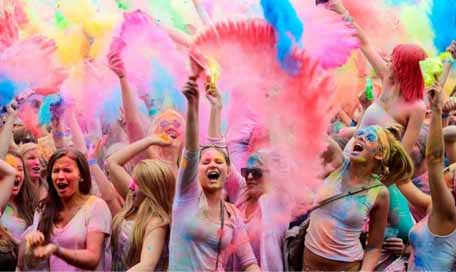
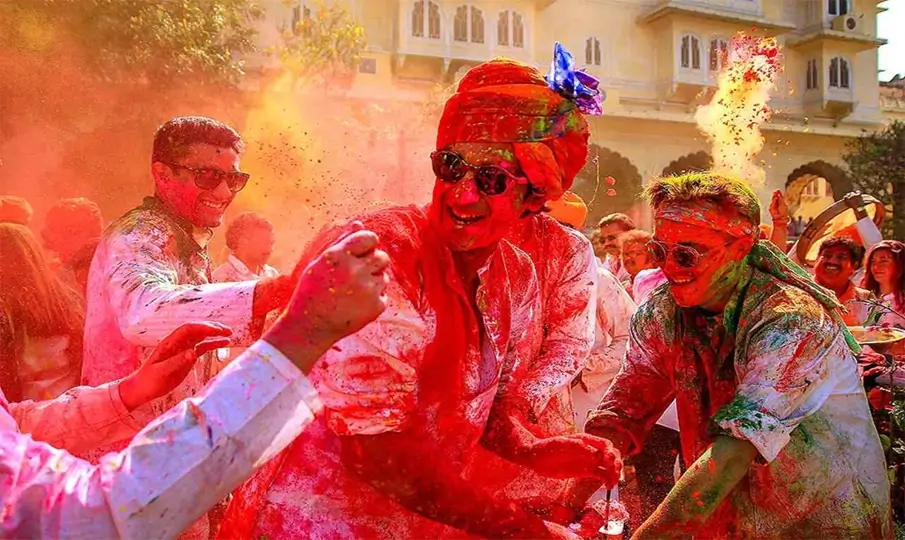
Holi remains one of the most famous. Often known as the Festival of Colors, it transforms cities and towns into vibrant celebrations filled with colored powders, music, and community gatherings. Destinations such as Jaipur, Vrindavan, Mathura, and Udaipur are particularly popular during Holi because they offer organized events alongside traditional celebrations.
Diwali, commonly called the Festival of Lights, offers a completely different atmosphere. Homes, temples, streets, and markets are decorated with lamps, candles, and lights. Fireworks illuminate the night sky while families gather for celebrations. Cities such as Jaipur become especially spectacular during this period.
The Pushkar Fair in Rajasthan combines cultural traditions, livestock trading, music, performances, and desert landscapes. It offers visitors opportunities to experience rural Rajasthan at its most vibrant.
Durga Puja in Kolkata transforms the city into one of the world's largest public celebrations. Temporary structures, artistic displays, religious ceremonies, and cultural programs attract millions of participants.
Kerala's temple festivals, including those featuring decorated elephants and traditional performances, provide insight into southern India's cultural heritage. These celebrations differ significantly from festivals found elsewhere in the country.
Each event offers unique experiences, which is why travelers should choose festivals based on personal interests rather than popularity alone.
While festivals can enhance a trip significantly, they also introduce practical challenges that should not be ignored. Understanding these realities helps travelers avoid unnecessary frustration.
Accommodation availability becomes one of the biggest concerns. Popular destinations often experience exceptionally high demand during major festivals. Hotels that may normally have plentiful availability can become fully booked months in advance. Luxury properties are particularly affected because many travelers plan around these events.
Transportation can also become more complicated. Flights, trains, and private transportation services often experience increased demand. Popular routes may sell out early, and travel times can occasionally increase because of festival-related traffic.
Crowds represent another important consideration. While some travelers enjoy busy environments, others may find large gatherings overwhelming. Famous festival locations can attract thousands or even millions of participants, depending on the event.
Pricing is another factor. Hotels, transportation, and certain tourism services often increase rates during peak festival periods because of demand. Travelers who wait until the last moment frequently face limited options and higher costs.
Weather should also be considered. Some festivals occur during periods when temperatures can be high or rainfall may affect travel plans. Understanding seasonal conditions helps ensure a more comfortable experience.
Festival travel remains highly rewarding, but preparation is essential for avoiding unnecessary complications.
The most successful festival trips begin with early planning. Travelers should determine which festival they wish to experience before booking flights or accommodations. Once the festival is selected, transportation and hotel reservations should be secured as soon as possible.
Arriving several days before the main celebration often improves the experience significantly. This allows travelers to acclimate, explore the destination, and avoid last-minute transportation challenges. It also provides opportunities to witness preparations and local activities leading up to the festival itself.
Private transportation becomes particularly valuable during festival periods. Having a dedicated driver allows travelers to navigate crowded destinations more comfortably while maintaining flexibility. Traffic patterns can change significantly during major events, and experienced local drivers often prove invaluable.
Travelers should also remain flexible. Festivals are dynamic events influenced by local customs, weather, community participation, and logistical considerations. Maintaining realistic expectations helps ensure a positive experience even when plans change.
Respect for local traditions remains extremely important. Visitors should observe appropriate dress codes, photography guidelines, and cultural etiquette. Participating respectfully often leads to more meaningful interactions and memorable experiences.
Combining festivals with broader itineraries is often the best approach. Travelers can enjoy the celebration while also exploring nearby destinations, creating balanced journeys that include culture, history, nature, and relaxation.
Many travelers who have visited India multiple times describe festival journeys as their most memorable experiences. While monuments and landscapes remain impressive, festivals reveal the country's emotional and cultural depth in ways that ordinary sightseeing cannot.
The energy of thousands of people celebrating together, the beauty of traditional ceremonies, the generosity of local communities, and the opportunity to witness centuries-old traditions create experiences that feel deeply personal. Visitors often leave with a stronger understanding of India's cultural diversity and social fabric.
Festival travel is not always the easiest way to explore the country. It requires planning, flexibility, and patience. Yet for many travelers, the rewards far exceed the challenges.
The combination of celebration, tradition, culture, and community creates moments that cannot be replicated during ordinary travel periods. These experiences often become the stories travelers continue sharing long after they return home.
Yes. Festivals provide unique cultural experiences and are often highlights of a trip.
Holi, Diwali, and Pushkar Fair are among the most popular choices.
Yes. Increased demand often results in higher accommodation prices.
Ideally several months in advance, especially for major celebrations.
Yes, particularly when attending organized celebrations or traveling with reputable tour operators.
Comfortable, respectful clothing suitable for local customs and weather conditions.
Yes. Many festivals are family-friendly and enjoyed by travelers of all ages.
Absolutely. It provides flexibility and convenience during busy travel periods.
Jaipur is widely regarded as one of the most spectacular destinations during Diwali.
Yes. India Trip Planners specializes in customized festival itineraries including Holi, Diwali, Pushkar Fair, Durga Puja, temple festivals, private transportation, cultural experiences, and tailor-made travel programs across India.