A Guide of South India Tour
15 Apr 2021



India’s local markets are among the most fascinating places for travelers who want to experience the country beyond its monuments and historical landmarks. While forts, palaces, and temples reveal the architectural grandeur of India’s past, markets show the living culture of the country in its most vibrant and authentic form.
Every Indian city has its own unique market traditions. Some markets are centuries old and were once part of royal trade routes connecting India with Persia, Central Asia, and Europe. Others developed during colonial times and later evolved into modern shopping streets filled with crafts, textiles, spices, and street food.
Walking through these markets allows travelers to observe daily life, interact with local shopkeepers, and explore handmade products that reflect generations of artistic tradition. Markets also provide an opportunity to see how ancient trade practices continue to influence modern Indian culture.
Many travelers discover these lively bazaars while exploring cities during a private India tour by car and driver, where flexible schedules allow time to wander through historic marketplaces and traditional shopping streets.
Understanding the most interesting markets to visit helps travelers experience India’s cultural richness from a completely different perspective.
Chandni Chowk is one of the oldest and most famous markets in India. Located in the heart of Old Delhi, this historic bazaar was established during the seventeenth century by Mughal emperor Shah Jahan when he built the city of Shahjahanabad.
Walking through Chandni Chowk feels like stepping into a living museum of commerce and culture. The narrow streets are filled with shops selling textiles, jewelry, spices, traditional clothing, and electronic goods.
Rickshaws move through the lanes alongside street vendors offering freshly prepared snacks such as samosas, jalebi, and paratha. The air is filled with the aroma of spices and the sounds of shopkeepers negotiating with customers.
Within the market travelers also find historic religious sites including the Jama Masjid mosque and several centuries-old temples. These landmarks highlight the cultural diversity that has defined Delhi for generations.
Visitors exploring the city during a Delhi heritage tour by private car often include Chandni Chowk as an essential stop to experience the authentic atmosphere of Old Delhi.
Don’t just visit India—experience it. Explore iconic markets filled with history, craftsmanship, and local flavors.
Chat on WhatsApp Contact UsJaipur, the capital of Rajasthan, is famous for its traditional crafts and vibrant marketplaces. Among the most well-known shopping areas in the city is Johari Bazaar, a historic market specializing in jewelry and gemstones.
The name Johari Bazaar comes from the Hindi word for jeweler, reflecting the centuries-old tradition of gemstone cutting and jewelry making that developed in Jaipur. The city remains one of the world’s major centers for precious and semi-precious stones.
Walking through the market, travelers encounter shops displaying intricate gold and silver jewelry, colorful gemstones, and traditional Rajasthani designs. Many pieces are handcrafted by artisans whose families have practiced the trade for generations.
The surrounding streets also feature shops selling embroidered textiles, handcrafted pottery, and decorative items that reflect the artistic heritage of Rajasthan.
For travelers exploring the Rajasthan tour by private car, Johari Bazaar offers a fascinating opportunity to witness traditional craftsmanship in one of India’s most colorful cities.
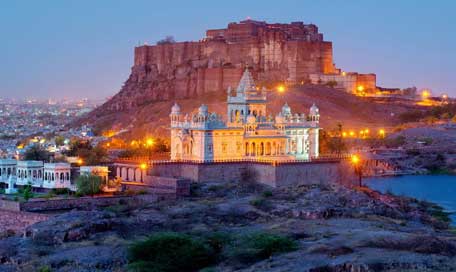
Jodhpur’s Sardar Market lies at the base of the magnificent Mehrangarh Fort and forms the commercial heart of the Blue City. The market is instantly recognizable because of the tall clock tower that stands at its center.
This bustling bazaar is known for its variety of traditional handicrafts, spices, textiles, and antiques. The narrow lanes surrounding the clock tower are filled with stalls selling everything from colorful turbans to handcrafted leather goods.
Travelers exploring Sardar Market often find themselves surrounded by vibrant colors, aromatic spices, and the lively sounds of local commerce. Vendors enthusiastically invite visitors to examine their goods while sharing stories about the history of their crafts.
The market also provides a great opportunity to taste local Rajasthani snacks such as mirchi bada and mawa kachori, which are popular among both locals and travelers.
Visitors arriving in Jodhpur during a Rajasthan road trip with private driver frequently spend time exploring this energetic market before visiting the nearby Mehrangarh Fort.
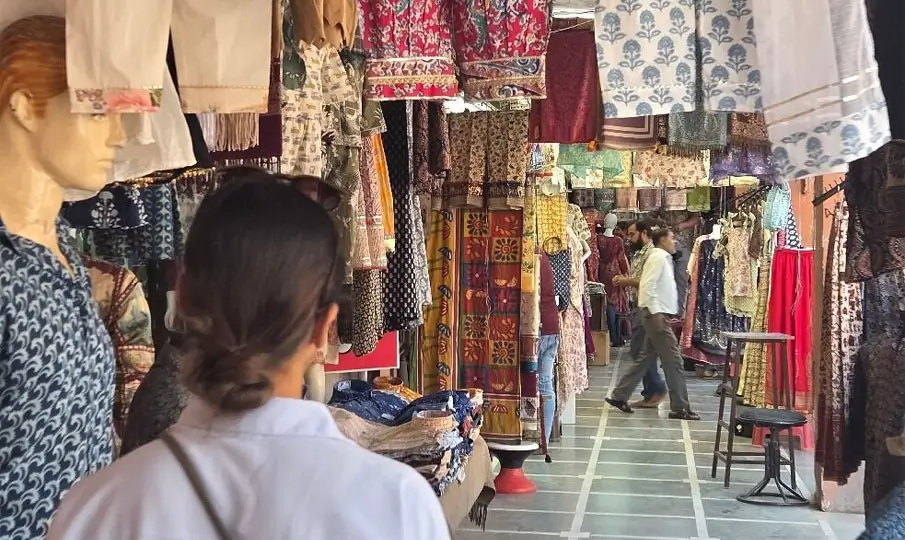
Another iconic shopping destination in Jaipur is Bapu Bazaar, known for its wide selection of traditional textiles and handicrafts. The market is particularly famous for Rajasthani fabrics including block-printed cotton, embroidered garments, and colorful scarves.
Walking through Bapu Bazaar reveals rows of shops displaying vibrant fabrics in shades of red, yellow, blue, and green. These textiles reflect the traditional dyeing and printing techniques that have been practiced in Rajasthan for centuries.
Travelers often purchase handcrafted souvenirs such as embroidered bags, decorative wall hangings, and handmade shoes known as mojari.
The atmosphere of the market remains lively throughout the day as both locals and visitors browse through the shops in search of unique items.
Exploring Bapu Bazaar provides travelers with a deeper appreciation of Rajasthan’s textile heritage.
Crawford Market in Mumbai represents another important chapter in India’s commercial history. Built during the British colonial era, the market combines Victorian architecture with traditional Indian trading practices.
The market is famous for its fresh produce, spices, imported foods, and household goods. Inside the large hall vendors display colorful fruits, vegetables, and dry fruits arranged in neat rows.
The surrounding lanes contain shops selling leather goods, perfumes, decorative items, and kitchen supplies.
Walking through Crawford Market offers travelers a glimpse into the everyday life of Mumbai residents while exploring a building that has served as a commercial center for more than a century.
The market’s historic architecture and lively atmosphere make it a fascinating destination for travelers exploring India’s largest city.
Markets in India are not just places for shopping. They are social spaces where people gather, exchange news, and maintain long-standing traditions of trade and craftsmanship.
Travelers walking through these markets observe artisans working on handmade goods, families purchasing ingredients for daily meals, and merchants continuing business practices passed down through generations.
These everyday interactions provide a deeper understanding of Indian culture that cannot be experienced through monuments alone.
Markets also reveal the diversity of India’s regions. Each city has its own specialties, from jewelry and textiles to spices and handcrafted decorations.
Visitors who take time to explore these marketplaces often discover that they represent the living heart of Indian culture.
India’s local markets are more than just shopping spots—they are a window into its rich heritage and traditions.
Chat on WhatsApp Contact UsMany travelers include market visits as part of their sightseeing itineraries when exploring major cities. Because markets can be large and sometimes crowded, visiting them with knowledgeable local guides can enhance the experience.
Travelers exploring India through a private chauffeur-driven tour often have the flexibility to stop at multiple markets across different cities. This allows them to compare regional crafts and experience the unique atmosphere of each marketplace.
Markets such as Chandni Chowk in Delhi, Johari Bazaar in Jaipur, and Sardar Market in Jodhpur represent centuries of trade traditions that continue to shape modern Indian life.
For travelers interested in culture, art, and local traditions, visiting these markets becomes an essential part of the journey.
Mr. Mohit helps international travelers explore India with private driver tours and carefully designed travel routes.
A guide can explain local traditions and help navigate large markets.
Many markets feature crafts created by traditional artisans.
Yes, they are lively and energetic places reflecting local culture.
Bargaining is common in many traditional markets.
Most markets are safe but travelers should remain aware of their surroundings.
It is known for fresh produce, spices, and colonial architecture.
Yes, it is known for spices, handicrafts, and local snacks.
Jaipur markets offer jewelry, textiles, handicrafts, and gemstones.
Chandni Chowk is one of the oldest and most famous markets in India.
Markets represent traditional trade, crafts, and everyday social life.