A Guide of South India Tour
15 Apr 2021



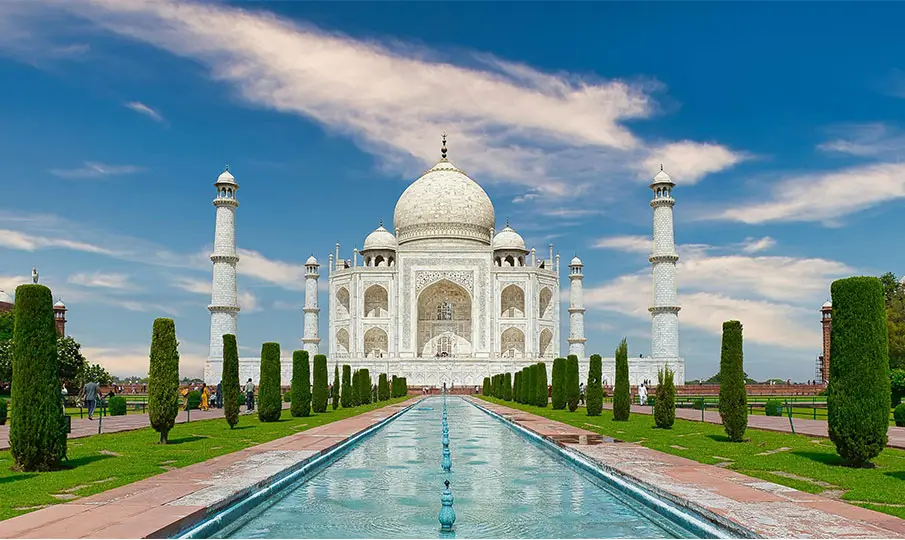
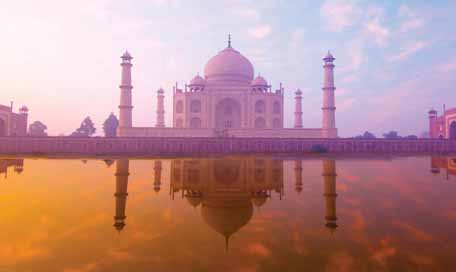
This is one of the most common questions foreign travelers ask after landing in Delhi or while finalizing plans at the very last moment. You arrive in India, schedules shift, jet lag hits, meetings get canceled, or suddenly you realize you are closer to the Taj Mahal than you may ever be again. The idea of missing one of the world’s greatest monuments feels wrong. At the same time, you hear conflicting advice online. Some say it must be booked days in advance. Others claim it is impossible without pre-arranged tickets. The reality sits somewhere in between. Yes, a last minute trip to Taj Mahal from Delhi is absolutely possible, even on the same day, but only if you understand how the logistics actually work on the ground. This guide explains what is realistically possible, what is not, and how travelers successfully visit the Taj Mahal with only a few hours’ notice without turning the experience into chaos.
Delhi and Agra are separated by approximately 230 kilometers, connected by a modern expressway that has made same-day travel feasible. Under normal conditions, the drive takes around three to four hours each way.
However, this timing assumes a controlled departure, a reliable vehicle, and minimal delays. Many travelers underestimate how critical the departure time is. Leaving Delhi late in the morning dramatically reduces the quality of the experience, especially during busy seasons. A same day Taj Mahal tour from Delhi only works smoothly when the day is structured around traffic patterns rather than wishful thinking. Understanding this reality early prevents disappointment later.
Planning a last-minute trip from Delhi? Enjoy seamless same-day transfers, priority entry, and private expert guides — curated for a smooth, elegant and unforgettable Taj Mahal experience.
Last minute does not mean careless. It means flexible and informed. A last-minute Taj Mahal visit works because the monument itself does not require a guided package or advance hotel bookings in Agra. Entry tickets can be purchased online or at counters, guides are available locally, and transport can be arranged quickly if you know whom to contact. What fails most last-minute plans is not availability but poor sequencing. Travelers who try to piece things together independently often lose time at each step. Travelers who understand the flow manage to see the Taj Mahal comfortably in one day without stress.
Same-day travel works best when travelers start early, ideally between five and six in the morning. Early departure avoids Delhi traffic, allows arrival in Agra before peak crowds, and provides flexibility if delays occur. Travelers leaving after eight in the morning often find themselves racing against daylight and ticket queues. For foreign visitors, this becomes exhausting rather than enjoyable. Understanding Delhi to Agra same day travel means accepting that early starts are not optional; they are the foundation of the entire plan.
Transport choice determines whether the trip feels smooth or stressful. Trains are fast but inflexible. If tickets are unavailable, delays occur, or return schedules do not align, the entire day collapses. Public buses are inexpensive but unpredictable and uncomfortable for time-sensitive travel. App-based taxis can work but often lack long-distance reliability. This is why most successful last-minute travelers choose private car travel from Delhi to Agra. A dedicated vehicle with a professional driver allows control over departure time, rest stops, and return pace. It also removes the uncertainty of navigating stations, ticket counters, or last-mile transport in Agra.
One of the biggest misconceptions is that Taj Mahal tickets sell out days in advance. In reality, entry tickets are available daily through online portals and physical counters. While sunrise slots are limited and may sell out earlier, standard daytime entry remains accessible most days. However, ticket queues grow as the day progresses. Travelers arriving before late morning usually face manageable waits. Arriving after midday often means long lines under the sun. This is why last-minute trips succeed when travelers prioritize timing rather than worrying excessively about ticket access.
Morning visits are universally superior. Light is softer, temperatures are cooler, and crowds are lighter. Afternoon visits are possible but less ideal, especially in warmer months. Sunset visits offer dramatic light but attract crowds and require precise timing. For last-minute travelers, morning or late-morning entry provides the best balance between feasibility and experience. Trying to force a sunset visit without advance planning often leads to rushed sightseeing and stressful returns to Delhi.
Many travelers assume guides must be pre-booked. In Agra, this is not the case. Licensed guides operate daily near the monument and can be hired on arrival. While some travelers prefer exploring independently, guided context transforms the Taj Mahal from a photo stop into a story. Guides manage entry flow, explain architectural details, and help navigate crowded areas efficiently. For last-minute visitors with limited time, a guide often saves more time than they cost.
A same-day Taj Mahal trip is focused, not expansive. The Taj Mahal itself takes two to three hours to experience properly. Adding Agra Fort is possible if time permits, but overloading the schedule reduces enjoyment. Travelers who attempt to add shopping, additional monuments, and late lunches often feel rushed. The most satisfying one day Taj Mahal trip from Delhi focuses on the monument first, with optional additions only if time and energy allow.
The most common mistake is leaving Delhi too late. The second is underestimating return traffic. Delhi evening congestion can add hours unexpectedly. Another mistake is overplanning once in Agra, turning a simple visit into a marathon. Travelers also misjudge physical fatigue, especially after international flights. Successful last-minute trips are intentionally simple, allowing the Taj Mahal to remain the highlight rather than one item on a long checklist.
Yes, when planned properly. The expressway is safe, well-maintained, and heavily used by tourists. Agra is accustomed to international visitors, and the Taj Mahal area is secure and organized. Comfort depends largely on transport choice and pacing. Travelers who control their schedule feel relaxed. Those who rely on fragmented transport often feel anxious. Understanding is Taj Mahal safe for tourists helps travelers approach the day confidently rather than defensively.
Weather influences experience more than availability. Summer heat makes early visits essential. Winter fog can delay morning departures. Monsoon brings intermittent rain but fewer crowds. None of these factors make same-day travel impossible, but they require realistic expectations. Flexibility is more valuable than perfect conditions. Travelers who adapt to the season enjoy the experience regardless of minor inconveniences.
Many foreign visitors have limited time in India. Business travelers, stopover tourists, and short-stay visitors often cannot dedicate multiple days to Agra. Same-day travel allows them to see the Taj Mahal without restructuring their entire itinerary. When done correctly, it feels efficient rather than rushed. This efficiency is why last minute Taj Mahal tour from Delhi searches are so common.
Last-minute travel works best when logistics are handled quickly and correctly. This is where India Trip Planners quietly supports travelers. Instead of spending hours coordinating cars, tickets, and timing, travelers rely on local expertise to compress decision-making. The value lies not in luxury but in certainty. Knowing that transport will arrive on time, routes are optimized, and return schedules are realistic transforms anxiety into confidence.
Costs vary based on transport choice, guide services, and inclusions. Same-day trips are not inherently expensive, but ultra-cheap options often compromise comfort or reliability. Foreign travelers should expect transparent pricing that covers vehicle, driver, and basic logistics. Unexpected costs usually arise from poor planning rather than the trip itself. Understanding Delhi to Agra tour cost same day helps travelers budget realistically without overthinking.
Yes, if expectations are aligned. Travelers who want a relaxed sunrise visit with elaborate add-ons should plan ahead. Travelers who want to see the Taj Mahal properly and return to Delhi the same day can absolutely book on the same day. The key is decisiveness. Indecision wastes more time than availability issues. Once the decision is made, execution should be swift.
Travelers who succeed describe the experience as intense but rewarding. Early starts feel worth it. The monument exceeds expectations. The return journey feels satisfying rather than draining. Those who hesitate or overcomplicate plans often describe stress rather than awe. This difference comes down to understanding how the day needs to flow.
The Taj Mahal does not demand perfection. It demands presence. Same-day travel is not about squeezing in an attraction but about making space for one unforgettable experience. When travelers accept the limits of time and focus on what truly matters, the day unfolds naturally.
Planning a last-minute trip from Delhi? We arrange smooth same-day transfers, priority entry tickets, and knowledgeable private guides — so your Taj Mahal experience feels seamless, luxurious and perfectly managed.
A last-minute trip to the Taj Mahal from Delhi is not only possible, it is surprisingly practical when approached correctly. Early departure, reliable transport, realistic pacing, and focused planning make all the difference. Travelers who understand these principles enjoy one of the world’s greatest monuments without unnecessary stress. When handled thoughtfully, even a spontaneous decision can lead to one of the most memorable moments of a journey through India.
Yes, same-day booking is possible with proper planning and early departure.
No, tickets are available knowing how and when to purchase them matters more.
Between five and six in the morning works best.
Yes, most travelers return by evening.
Yes, private cars offer more control and reliability.
Guides are optional but helpful for time management and context.
Yes, when transport and timing are handled properly.
Yes, if time and energy permit.
Buffer time and early starts minimize risk.
Yes, for travelers with limited time, it is highly rewarding.