A Guide of South India Tour
15 Apr 2021



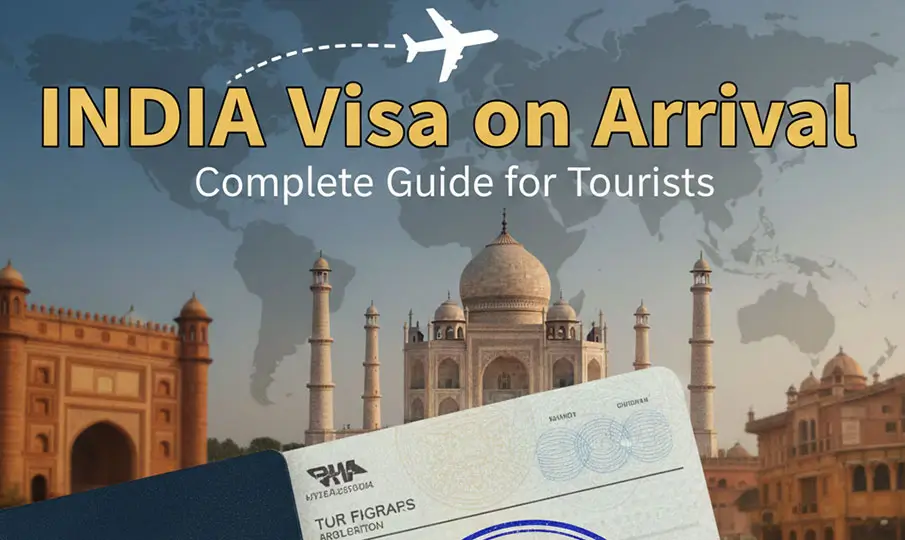
Planning a trip to India often begins with excitement, but the moment visas enter the conversation, confusion quickly follows. Many international travelers assume India offers a simple visa on arrival like several Southeast Asian countries. The reality is more nuanced. India does provide a visa-on-arrival–style facility, but it operates through an electronic authorization system that must be completed before departure. Misunderstanding this process is one of the most common reasons travelers face airline boarding denials, last-minute stress, or delayed entry upon arrival. From eligibility rules that vary by passport to documentation requirements that change depending on travel purpose, the system can feel intimidating for first-time visitors. As local travel experts who assist foreign travelers daily, we see the same concerns repeated: which countries qualify, how early to apply, what happens at immigration, and whether approval truly guarantees entry. This guide addresses those exact questions with clarity, transparency, and real-world context so travelers can plan confidently while avoiding costly mistakes that can derail an otherwise perfect Indian journey.
Despite the popular term, India does not issue a traditional stamp-on-arrival visa for most nationalities. Instead, travelers must obtain an electronic travel authorization online before boarding their flight. This system allows Indian immigration to pre-screen visitors while still offering a fast-track arrival experience. Once approved, travelers receive an electronic confirmation that is verified at the airport before departure and again upon landing in India. Immigration officers then issue the final visa stamp at designated entry points. Understanding this distinction is essential because arriving without prior authorization is not permitted. Airlines are strict about compliance, and travelers who misunderstand the process often find themselves denied boarding. When planned correctly, however, the experience is smooth and efficient, making India Visa on Arrival a practical option for short-term tourism and business visits.
Get expert guidance for visa eligibility, documents & travel planning.
WhatsApp Now Contact UsEligibility for India’s electronic visa system depends entirely on passport nationality. Citizens of over one hundred countries across Europe, North America, Asia-Pacific, and parts of the Middle East can apply. However, eligibility can change due to diplomatic agreements, so relying on outdated online lists is risky. Passport validity is another critical factor. Travelers must hold a passport valid for at least six months beyond their arrival date in India, with a minimum of two blank pages. Even travelers transiting through India under this system must meet the same validity standards. Our experience helping international clients plan multi-country itineraries shows that passport validity issues are among the most overlooked details, yet they are also the least flexible at immigration counters.
The electronic visa system covers multiple travel purposes, each with its own conditions. Tourist visas are the most common, allowing sightseeing, cultural exploration, and casual visits with friends. Business visas apply to meetings, conferences, and trade-related activities but exclude employment. Medical visas support travelers seeking treatment at recognized Indian hospitals. Each category has specific documentation requirements and permitted activities. Selecting the wrong visa type can result in denial at immigration, even if the electronic authorization was approved. This is why clarity at the application stage is crucial. Travelers planning extended itineraries across Rajasthan tours, the Golden Triangle tours, or South India Tours often benefit from professional guidance to ensure the selected visa aligns perfectly with planned activities.
Applying for India’s electronic visa involves an online form requiring personal details, travel dates, and passport information. Applicants must upload a recent passport-style photograph and a scanned passport bio page. Accuracy is essential, as even small discrepancies between passport data and application details can cause rejection. After submission, applicants pay the visa fee online and receive a confirmation reference. Processing times typically range from twenty-four to seventy-two hours, though delays can occur during peak travel seasons. Once approved, travelers receive an electronic travel authorization by email. This document must be printed or stored digitally and presented upon arrival. From our local expertise, we recommend applying at least one week in advance to account for unexpected verification delays.
Upon landing at designated airports, travelers proceed to the e-visa immigration counters. Officers verify biometric data, including fingerprints and photographs, and confirm travel details. While the process is generally efficient, arrival queues can vary depending on flight volumes. Travelers with pre-arranged airport assistance or private transfers often clear immigration more smoothly, as logistical support reduces confusion after long-haul flights. This is where coordinated services offered by experienced operators like India Trip Planners quietly enhance the arrival experience without overt selling. Having ground support ready ensures travelers transition seamlessly from immigration to their onward journey.
Talk to our travel experts and get accurate visa & entry guidance before you book your trip.
WhatsApp Now Contact UsTourist electronic visas are available in different validity options, including short-term and long-term variants. Some allow multiple entries within the validity period, while others restrict entry frequency. Understanding these distinctions is vital for travelers planning regional excursions to neighboring countries during their Indian stay. Re-entry rules are strictly enforced, and violating them can affect future visa applications. Travelers crafting complex itineraries benefit from aligning visa validity with travel plans to avoid unintended overstays or denied re-entry.
The most frequent issues arise from incorrect passport numbers, mismatched travel dates, unclear photographs, or selecting the wrong visa category. Another common mistake is assuming visa approval guarantees entry. Immigration officers retain final discretion, particularly if travel intent appears inconsistent with visa type. Transparency and documentation readiness are key. We often advise travelers to carry accommodation confirmations, return tickets, and itinerary outlines, especially when arriving on their first visit. This proactive approach builds confidence at immigration checkpoints.
Visa fees vary by nationality and visa type. Payment is made online, and fees are generally non-refundable, even if travel plans change. Currency conversion charges may apply depending on the payment method. Travelers should also factor in ancillary costs such as document preparation and potential reapplication fees if errors occur. While the electronic system is cost-effective compared to embassy visas, the real value lies in avoiding mistakes that lead to denied entry or disrupted travel schedules.
Navigating visa requirements is only one aspect of planning travel in India. Route logistics, hotel coordination, cultural considerations, and timing all require local insight. This complexity is why many travelers choose professional assistance. While independent travelers can apply on their own, those booking comprehensive itineraries through experienced operators benefit from coordinated planning where visa guidance, arrival logistics, and ground services align seamlessly. Our role often involves identifying potential issues before they arise, ensuring the visa process supports rather than hinders the overall journey.
A visa is the gateway, but the real experience begins after immigration. Travelers arriving with clear plans, pre-booked transportation, and local support experience India more confidently from day one. Whether traveling solo, as a couple, or with family, having a structured arrival plan reduces stress and allows travelers to focus on exploration rather than administration. This integrated approach is particularly valuable for first-time visitors unfamiliar with Indian airport procedures and regional travel dynamics.
Securing the correct visa sets the foundation for an unforgettable Indian journey. When handled properly, the electronic visa system is efficient, reliable, and traveler-friendly. The key lies in understanding eligibility, preparing accurate documentation, and aligning visa validity with travel plans. With expert guidance and thoughtful preparation, travelers avoid common pitfalls and enjoy a smooth arrival experience. As local specialists, we believe that informed travelers make better decisions, and our role is to ensure that administrative details like visas never overshadow the magic of exploring India’s culture, history, and landscapes.
Citizens of eligible countries with valid passports can apply through India’s electronic visa system before travel.
Approval allows travel, but final entry is determined by immigration officers upon arrival.
Most applications are processed within seventy-two hours, though delays can occur during busy periods.
No, travelers must obtain electronic authorization before boarding their flight to India.
Passport, electronic visa approval, return ticket, and accommodation details are recommended.
This depends on the visa type and validity selected during application.
Visa fees are generally non-refundable regardless of travel changes.
Extensions are limited and subject to immigration approval.
Yes, each visa category permits specific activities and restrictions apply.
Applying early, providing accurate information, and aligning travel plans with visa rules ensures a smooth experience.