A Guide of South India Tour
15 Apr 2021



Traveling with young children changes the way a family experiences the world. Destinations are no longer selected only for famous landmarks or luxury hotels. Parents begin looking at travel through a different lens. They think about comfort, safety, flexibility, food options, travel time, entertainment, accommodation quality, and the overall pace of the journey. When India enters the conversation, many parents become excited but also cautious. They see magnificent palaces, colorful cities, fascinating wildlife, and rich cultural experiences, yet they wonder whether India is truly suitable for young children.
The answer is yes, provided the trip is planned correctly.
India is one of the few countries where children can experience history, wildlife, culture, and adventure within a single journey. A child can walk through a royal fort in Jaipur, watch the sunrise at the Taj Mahal, spot a tiger in Ranthambore, enjoy a boat ride in Udaipur, and ride a camel in the Thar Desert. Every few days, the landscape changes, the culture feels different, and new experiences appear. This constant variety keeps children interested and prevents the journey from becoming repetitive.
Many parents who visit India with children are surprised by how welcoming local people can be. Families often receive warm smiles, helpful assistance, and genuine curiosity from local residents. Young children frequently become the center of positive attention, creating interactions that help families feel comfortable throughout the trip.
However, successful family travel in India depends on realistic planning. The itinerary must be designed around the needs of children rather than forcing children into an adult travel schedule. When parents approach the journey with this mindset, India can become one of the most rewarding family destinations they will ever experience.
A palace that feels like a castle. A safari through the jungle. A boat ride surrounded by lakes and palaces. Plan an India journey where every destination gives your family something to remember.
Many parents initially compare India with destinations such as Europe, Australia, or North America and assume that family travel will be more challenging. What they often discover after arrival is that India offers something many other destinations cannot: constant discovery.
Children naturally enjoy environments that stimulate their curiosity. India does this every day. The sights, sounds, colors, architecture, wildlife, and daily life create a sense of wonder that is difficult to replicate elsewhere. Even simple walks through local markets become adventures because children are exposed to unfamiliar foods, traditional clothing, colorful decorations, and local customs. Every day brings something new to observe and discuss.
One of the biggest advantages of India for families is the variety of experiences available within a relatively compact itinerary. In many countries, a family might spend an entire vacation focused on beaches, cities, or mountains. India allows families to combine multiple experiences in a single trip. One day may involve exploring a fort that looks like something from a fairy tale. The next may involve a safari in search of wildlife. Another day may be spent cruising across a lake surrounded by palaces.
Educational value is another major benefit. Children often learn more during travel than they do from books or documentaries. Standing inside a palace, watching traditional artisans at work, observing wildlife in its natural habitat, or experiencing local festivals creates lasting memories and deeper understanding. History becomes real rather than theoretical.
Parents also appreciate that many of India's most famous attractions appeal to children in ways they may not expect. Amber Fort feels more like a giant castle than a historical monument. The City Palace resembles a royal storybook setting. Ranthambore becomes a real-life jungle adventure. Udaipur's lakes and boats feel relaxing and enjoyable for all ages.
When families balance sightseeing with downtime and choose destinations thoughtfully, India becomes a destination where parents and children can enjoy the journey together rather than compromising for one another.
The most common mistake families make when planning an India holiday is trying to include too many destinations within a limited period. Parents often feel pressure to see everything because they are traveling a long distance to reach India. They create ambitious itineraries that include numerous cities, long drives, multiple hotel changes, and nonstop sightseeing.
Unfortunately, this approach often creates fatigue rather than enjoyment.
Young children experience travel differently from adults. Parents may be excited to visit three forts in a single day, but a child may find greater joy in feeding birds beside a lake or spending an hour in a hotel swimming pool. Children need time to process new experiences, rest, play, and simply enjoy being on vacation. Overloading the itinerary can make even the most beautiful destinations feel exhausting.
Another mistake involves underestimating travel distances. India is a large country, and transportation takes time. Families sometimes plan itineraries that look reasonable on a map but involve long hours on the road. A child who spends six hours in a vehicle after a full sightseeing day is unlikely to enjoy the next morning's activities.
Many parents also focus too heavily on monuments while overlooking experiences that naturally appeal to children. While historical sites are important, a successful family itinerary should include wildlife, cultural performances, boat rides, outdoor activities, and opportunities for unstructured exploration. These experiences often become the highlights children remember most vividly.
The most successful family trips usually involve fewer destinations and longer stays. Spending two or three nights in a city allows children to settle into a routine, reduces packing stress, and creates a more relaxed atmosphere. Families have time to enjoy attractions without feeling rushed and can adjust plans according to energy levels and interests.
A well-paced itinerary almost always produces a better experience than an overcrowded one.
Among all travel decisions a family can make in India, choosing a private driver in India is often the one that has the greatest positive impact on the overall experience. Families frequently focus on hotels and attractions during the planning stage, only to discover that transportation influences the quality of the trip every single day.
Traveling with children requires flexibility. Young travelers become hungry unexpectedly. They need restroom breaks. They may become tired after sightseeing or need extra time to rest. Public transportation and rigid schedules rarely accommodate these realities. A private vehicle allows parents to adapt naturally without worrying about train departures, station logistics, or complicated transfers.
Comfort is another major advantage. Families travel with more luggage than other travelers. Strollers, snacks, extra clothing, toys, medications, and personal items quickly add up. A private vehicle becomes a comfortable mobile base where everything remains easily accessible. Parents do not need to repeatedly unpack and reorganize belongings throughout the day.
The ability to stop along the way also creates opportunities that would otherwise be missed. Children often enjoy spontaneous experiences more than planned attractions. A roadside fruit stand, a village market, a camel crossing the road, or a scenic viewpoint can become memorable moments. A private family tour in India allows families to embrace these opportunities rather than rushing past them.
Parents also appreciate the consistency of having the same driver throughout the trip. Familiarity reduces stress. The driver learns the family's preferences, understands the children's needs, and helps ensure transportation remains smooth and predictable. This consistency creates peace of mind and allows parents to focus on enjoying the journey.
For families exploring Rajasthan and North India, private transportation transforms travel days from logistical challenges into enjoyable parts of the holiday.
Choosing the right route is just as important as choosing the right destinations. Families benefit most from itineraries that combine variety with manageable travel distances. The ideal route introduces children to different aspects of India while avoiding excessive movement between cities.
For first-time visitors, the combination of Delhi, Agra, Jaipur, Ranthambore, and Udaipur remains one of the strongest options available. This route provides an excellent balance between culture, history, wildlife, relaxation, and family-friendly experiences.
Delhi serves as a gentle introduction to India. Families can visit historical landmarks, spacious gardens, and cultural attractions without immediately embarking on long journeys. Children begin adjusting to the environment while parents gain confidence navigating the country.
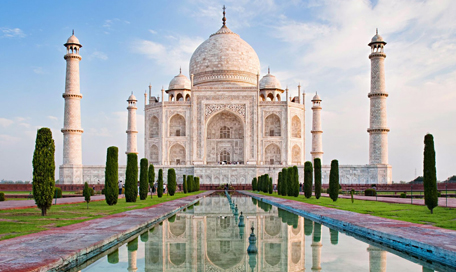
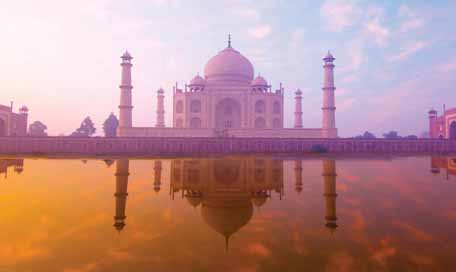
Agra introduces the Taj Mahal. Although children may not fully understand its historical significance, they often appreciate its scale, symmetry, and open spaces. Visiting during sunrise also helps avoid excessive heat and crowds.
Jaipur is frequently the favorite destination for young travelers. Amber Fort feels like a giant castle, local markets are colorful and exciting, and cultural experiences provide constant stimulation. Families can also enjoy traditional performances and heritage hotels that enhance the experience.
Ranthambore introduces adventure. The possibility of seeing a tiger transforms sightseeing into an exciting wildlife expedition. Even when tigers remain elusive, the safari experience itself remains highly engaging.
Udaipur provides the perfect conclusion. Boat rides, lakeside walks, palace courtyards, and a slower pace allow families to relax before returning home. Children often enjoy the city's peaceful atmosphere after several busy days of exploration.
This route works because every destination offers something different while maintaining a comfortable travel rhythm.
Accommodation plays a far bigger role in family travel than many parents initially realize. A couple traveling alone may only use a hotel for sleeping and breakfast before heading out to explore. Families with young children interact with their hotel throughout the day. Children may need an afternoon rest, a quiet place to play, a swimming pool to burn off energy, or simply a comfortable environment where they can relax after sightseeing.
For this reason, parents should think beyond hotel ratings and photographs when selecting accommodation. The most expensive hotel is not always the best family hotel. Instead, families should look for properties that provide space, flexibility, and facilities that genuinely support family travel.
One of the most valuable features is room size. Many standard hotel rooms feel comfortable for two adults but become cramped when additional beds, luggage, and children's belongings are added. Family suites, interconnected rooms, or larger heritage hotel rooms often create a far more comfortable experience. Parents appreciate having enough space to organize belongings, while children benefit from not feeling confined.
Swimming pools are another feature that should not be underestimated. After a full day exploring forts, palaces, or wildlife parks, children often care more about spending an hour in the pool than visiting another monument. This downtime helps maintain enthusiasm for the rest of the trip and gives parents an opportunity to relax as well.
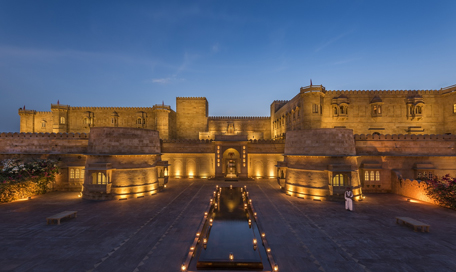
Heritage hotels in Rajasthan can be particularly appealing because many occupy former palaces or noble residences with large courtyards, gardens, and open spaces. Children can explore safely while parents enjoy the atmosphere and architecture. These properties often provide a sense of adventure that modern hotels cannot replicate.
Location is equally important. A family staying twenty minutes closer to major attractions saves valuable energy every day. Reduced travel time means less time in traffic and more time enjoying the destination. Families often discover that choosing a slightly more expensive but better-located hotel significantly improves the overall quality of the trip.
The best family hotels are not necessarily those with the most luxurious facilities. They are the properties that make life easier, more comfortable, and more enjoyable for both parents and children.
Food is one of the topics that concerns parents most before visiting India. Many families worry that children may struggle to adapt to unfamiliar cuisine or that dining could become difficult during the trip. Fortunately, these concerns are often easier to manage than expected.
India's tourism infrastructure has evolved significantly, particularly in destinations such as Delhi, Agra, Jaipur, Udaipur, and other major tourist centers. Hotels and restaurants serving international travelers routinely offer a wide variety of dishes that appeal to different tastes and age groups.
One of the most useful strategies for families is maintaining flexibility. Children do not need to eat traditional Indian food at every meal. Most hotels offer breakfast buffets that include familiar options such as eggs, toast, fruit, pancakes, cereals, and yogurt. These choices provide a comfortable starting point for the day while allowing children to experiment with local dishes when they feel interested.
Parents should also recognize that Indian cuisine itself is incredibly diverse. Many dishes are mild, flavorful, and child-friendly. Simple rice dishes, breads, grilled foods, and vegetarian options often appeal to younger travelers. Children frequently surprise their parents by embracing flavors they initially seemed hesitant to try.
Hydration remains important throughout the trip, particularly during warmer months. Families should carry bottled water and encourage children to drink regularly during sightseeing days. Snacks can also be helpful during long drives. Fresh fruit, biscuits, and familiar treats provide reassurance and help prevent hunger-related meltdowns during travel.
Restaurant timing is another consideration. Younger children often benefit from earlier dinners rather than waiting until late evening. Families using a private driver in India enjoy greater flexibility because they can return to the hotel whenever necessary rather than coordinating around transportation schedules.
Dining in India should be viewed as part of the adventure. With reasonable precautions and thoughtful planning, meals become opportunities for discovery rather than sources of stress.
India with young children becomes easier when the journey works around your family. Choose fewer destinations, comfortable stays, flexible road travel and plenty of time to rest.
Many family itineraries in North India and Rajasthan involve road travel. While some parents worry about how children will handle extended journeys, these travel days can actually become enjoyable when approached correctly.
The key is preparation.
Children often struggle during long drives because adults expect them to sit quietly for hours without entertainment or variety. Successful family road trips involve creating an environment where travel itself becomes part of the experience rather than simply a means of reaching the next destination.
A private family driver tour in India offers significant advantages in this regard. Families can carry toys, books, tablets, snacks, water, and comfort items without worrying about luggage restrictions or repeated transfers. Children have access to familiar belongings throughout the day, which helps create a sense of stability.
Regular stops are also important. Instead of viewing the drive as a single uninterrupted journey, parents can break it into smaller segments. A stop at a roadside café, a village market, a scenic viewpoint, or a local attraction creates opportunities for children to move around and recharge.
Many Rajasthan routes naturally support this approach. The roads connecting major destinations pass through villages, rural landscapes, and interesting cultural sites. These stops often become memorable parts of the trip because they provide insight into daily life beyond the major tourist attractions.
Parents should also adjust expectations. Long drives do not need to be packed with activities. Some of the most enjoyable moments occur when children simply watch the changing scenery, ask questions about what they see, and engage with the journey itself.
Comfortable vehicles make a substantial difference. Adequate legroom, air conditioning, and space for personal items help ensure travel days remain pleasant. Families who invest in comfortable transportation often discover that road travel becomes one of the most enjoyable aspects of their Indian adventure.
Among all the attractions available in India, wildlife experiences consistently rank among the most memorable for young travelers. Children may appreciate forts, palaces, and monuments, but the possibility of seeing animals in their natural habitat creates a different level of excitement.
Ranthambore National Park is often the highlight of a family itinerary. The anticipation begins before the safari even starts. Children climb into the safari vehicle knowing there is a chance of encountering one of the world's most famous predators. Every sound, movement, and track suddenly becomes interesting.
Even when tiger sightings do not occur immediately, the safari remains engaging. Deer, monkeys, crocodiles, peacocks, birds, and other wildlife provide constant opportunities for observation. The environment itself feels adventurous, creating a sense of exploration that appeals strongly to young travelers.
Wildlife experiences also encourage patience and observation. Children learn to pay attention to their surroundings, listen carefully, and appreciate nature in a way that differs from traditional sightseeing. These lessons often remain with them long after the trip ends.
Parents frequently report that safari days generate some of the most enthusiastic family conversations. Children eagerly discuss what they saw, compare photographs, and relive exciting moments throughout the remainder of the journey.
Beyond Ranthambore, India offers many opportunities to connect with wildlife and nature. Birdwatching, nature walks, lake environments, and rural landscapes all contribute to a richer travel experience. Including at least one wildlife component within a family itinerary adds valuable variety and helps balance the historical and cultural elements of the trip.
One reason many parents hesitate before planning an India holiday is uncertainty about safety and comfort. The reality is that most family trips proceed smoothly when travelers use common sense and make practical decisions.
The first principle is pacing. Families who rush from destination to destination often create unnecessary stress. A relaxed itinerary naturally reduces many travel challenges because parents have time to respond to changing circumstances and children's needs.
Choosing reputable hotels, professional transportation providers, and experienced travel companies also contributes significantly to peace of mind. Reliable services eliminate many logistical concerns and allow parents to focus on enjoying the trip.
Health preparation is equally important. Carrying basic medications, maintaining hydration, using sunscreen, and encouraging regular rest helps prevent common travel-related problems. Parents should also ensure children have opportunities to sleep adequately rather than filling every day with activities.
Communication plays an important role as well. Children often feel more comfortable when they understand what is happening. Explaining the next day's plans, discussing destinations, and involving children in small travel decisions helps create enthusiasm and reduces anxiety.
Flexibility remains perhaps the most important family travel skill. Not every day will unfold exactly as planned. Attractions may take longer than expected. Weather conditions may change. Children may become tired. Families who embrace flexibility rather than rigid schedules usually enjoy a far better experience.
India rewards travelers who remain adaptable. The country offers countless unexpected moments, and some of the best family memories emerge from situations that were never part of the original itinerary.
Many parents approach India as a once-in-a-lifetime family holiday. By the end of the trip, they often discover that they have only scratched the surface.
One reason is the sheer diversity of experiences available. Families realize that each region offers something different. Rajasthan introduces royal history and desert landscapes. Wildlife parks provide adventure. Southern India offers beaches and tropical scenery. The Himalayas reveal mountain cultures and spectacular natural beauty.
Children also change the way families experience travel. Parents begin noticing destinations through their children's eyes. A simple interaction with a local family, a camel ride at sunset, or an afternoon spent feeding birds beside a lake can become more meaningful than famous monuments.
Many families leave with stronger connections to one another because travel encourages shared experiences and conversations that daily routines often limit. The challenges and discoveries of exploring a new country together create memories that remain vivid for years.
India has a unique ability to surprise travelers. It rarely matches expectations exactly, but it frequently exceeds them in unexpected ways. Families who arrive with curiosity, patience, and a well-planned itinerary often discover that the country offers far more than they anticipated.
For children, the trip becomes a collection of stories they will share long after returning home. For parents, it becomes a reminder that family travel can be educational, exciting, and deeply rewarding at the same time.
Yes. With proper planning, India can be an excellent destination for families, offering history, wildlife, culture, and adventure.
Delhi, Agra, Jaipur, Ranthambore, and Udaipur form one of the most family-friendly routes.
Absolutely. A private driver in India provides flexibility, comfort, and convenience that significantly improve family travel.
Most families benefit from at least 10 to 14 days, allowing enough time to travel at a comfortable pace.
Many hotels in major tourist destinations offer family rooms, pools, gardens, and facilities designed for families.
Yes. Rajasthan offers forts, palaces, wildlife, cultural performances, and desert experiences that children often enjoy.
Ranthambore National Park is one of the most popular options because of its tiger safaris and family-friendly accessibility.
Comfortable vehicles, regular breaks, snacks, entertainment, and flexible schedules help make road travel enjoyable.
Yes. Most hotels and restaurants offer a variety of child-friendly options alongside local cuisine.
Wildlife safaris, camel rides, colorful markets, palace hotels, cultural performances, and unexpected everyday experiences often become their favorite memories.