A Guide of South India Tour
15 Apr 2021



Planning a first journey to India can feel both exciting and overwhelming. The country’s scale, diversity, cultural depth, and sensory intensity make it unlike many other destinations. For travelers arriving from Europe, North America, Australia, or other parts of the world, preparation is the key to transforming uncertainty into confidence. These comprehensive India travel tips for first-time foreign visitors provide practical guidance on planning, budgeting, cultural awareness, safety, transportation, and daily logistics.
India is not a single experience but a collection of many distinct regions. From the Mughal monuments of North India to the tropical backwaters of the South, from desert cities to Himalayan towns, each region presents its own climate, cuisine, and traditions. Without proper planning, travelers may underestimate distances, weather conditions, or cultural differences. With thoughtful preparation, however, India becomes deeply rewarding and memorable.
This guide focuses on essential advice to help international visitors navigate India comfortably while fully appreciating its richness.
One of the most important India travel tips for foreigners is to avoid trying to see everything in one trip. India is geographically vast, and travel times between cities can be longer than expected. First-time visitors often make the mistake of adding too many destinations within limited time, leading to fatigue rather than enjoyment.
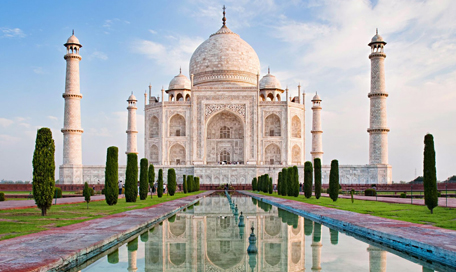
A structured itinerary covering one region at a time is highly recommended. For example, the Golden Triangle route including Delhi, Agra, and Jaipur offers architectural diversity within manageable travel distances. Extending to Udaipur or Ranthambore provides additional depth without overwhelming the schedule.
Travelers should allow time for rest between major transfers. Long-haul flights combined with busy sightseeing days can create exhaustion if not paced properly. A realistic itinerary enhances comfort and allows deeper engagement with each destination.
From cultural tips to travel planning and safety advice, prepare yourself for a smooth and unforgettable experience.
Chat on WhatsApp Contact UsCultural awareness significantly improves the travel experience. Respect for local customs demonstrates appreciation and reduces misunderstandings. Removing shoes before entering temples, dressing modestly in religious sites, and seeking permission before photographing individuals are basic but important practices.
Public displays of affection are limited in many areas. While urban centers may feel more relaxed, conservative regions require greater cultural sensitivity. These India cultural travel tips ensure respectful engagement with local communities.
Politeness and patience are valued. Traffic congestion and crowded marketplaces may feel intense initially, but maintaining calm composure fosters positive interactions.
Understanding etiquette transforms unfamiliar surroundings into enriching cultural encounters.
India’s climate varies significantly by region. Northern cities experience cooler winters and extremely warm summers, while southern regions maintain tropical conditions. Monsoon season brings rainfall to many areas.
Packing lightweight, breathable clothing supports comfort in warm climates. Modest attire covering shoulders and knees is advisable when visiting temples or rural areas. Comfortable walking shoes are essential for monument exploration and uneven surfaces.
These practical India packing tips for first-time travelers prevent discomfort and ensure readiness for varied conditions.
Transport selection greatly influences comfort and safety. Many foreign visitors prefer hiring a private driver for multi-city travel. A private driver in India provides flexibility, local expertise, and reduced logistical stress. For shorter distances within cities, app-based taxis are widely available.
Domestic flights efficiently connect distant regions. Train travel offers cultural immersion but requires advance booking in reserved classes. Understanding options in advance ensures smooth internal travel.
Selecting reliable transport providers enhances both safety and efficiency.
India offers flexible travel budgeting. Accommodation ranges from economical guesthouses to luxury palace hotels. Food can be affordable at local restaurants or premium at fine dining establishments. Creating a realistic India travel budget for first-time visitors prevents financial surprises.
Monitoring currency exchange rates before departure may enhance purchasing power. Digital payments are widely accepted in cities, though carrying moderate cash is useful for rural markets.
Allocating contingency funds for unexpected expenses ensures peace of mind.
Health awareness contributes significantly to travel comfort. Drinking bottled water and avoiding raw or unregulated street food reduces illness risk. Hand hygiene is essential during sightseeing.
Comprehensive travel insurance is strongly recommended. Access to modern healthcare facilities is available in metropolitan cities, but financial protection through insurance ensures preparedness.
Consulting healthcare providers before travel allows personalized vaccination advice.
India’s infrastructure varies widely between urban and rural areas. While metropolitan cities feature modern airports and highways, smaller towns may have limited facilities. Understanding this variation prevents unrealistic expectations.
Internet connectivity is strong in major cities. Purchasing a local SIM card provides affordable data access and assists with navigation.
Patience and flexibility remain valuable traits for navigating occasional logistical challenges.
India’s greatest strength lies in its people and traditions. Engaging respectfully with local communities creates meaningful travel moments. Participating in cultural workshops, local cooking experiences, or guided heritage walks enhances understanding beyond surface-level sightseeing.
Learning a few basic greetings and maintaining a friendly demeanor encourages positive interactions.
Respectful engagement transforms a trip into a cultural exchange rather than simple tourism.
India is diverse and vibrant—planning ahead makes all the difference. Learn essential tips on transport, food safety, and cultural etiquette to enjoy a stress-free journey.
Chat on WhatsApp Contact UsMost visits proceed without incident when travelers apply basic safety awareness. Avoid displaying expensive jewelry, keep valuables secure, and use licensed transport providers. Research neighborhoods before booking accommodation.
Consulting official travel advisories prior to departure provides updated regional information. Preparedness is the most effective approach to safe travel.
India is a destination that rewards adaptability. Unexpected changes may occur due to weather, traffic, or local events. Approaching travel with openness allows visitors to embrace spontaneity and discover hidden moments.
Flexibility enhances enjoyment and reduces stress.
Plan realistically and avoid overloading your itinerary.
Preparation and structured planning make the experience manageable and enjoyable.
Many travelers find private drivers increase comfort and convenience.
Modest clothing covering shoulders and knees is recommended.
India offers flexible budgeting options across accommodation and dining categories.
Comprehensive travel insurance is strongly advised.
Reserved train classes and licensed transport services maintain good safety standards.
Credit cards are accepted in cities and major tourist areas.
English is commonly used in tourism and hospitality sectors.
Ten to fourteen days provides a comfortable introduction to major highlights.