A Guide of South India Tour
15 Apr 2021



Planning an international journey to India requires thoughtful preparation, especially for American travelers visiting for the first time. This comprehensive India travel guide for US citizens provides in-depth insight into documentation requirements, long-haul flight planning, safety awareness, budgeting strategies, cultural expectations, and practical travel logistics. India is a destination defined by diversity. From Himalayan landscapes and Mughal monuments to tropical coastlines and spiritual river cities, the country offers experiences that vary dramatically from region to region.
For US travelers, preparation transforms what may seem overwhelming into a smooth and rewarding journey. Understanding entry regulations, regional climate differences, health considerations, and financial planning ensures confidence throughout the trip. India rewards well-prepared travelers with extraordinary cultural immersion, architectural grandeur, and deeply personal experiences.
Securing the appropriate travel authorization is the most important step before departure. Most American travelers require a tourist visa prior to arrival. The India visa for US citizens is typically obtained through an electronic application system that simplifies the process and eliminates embassy visits. Applicants complete an online form, upload passport details, provide a digital photograph, and submit payment electronically.
Passport validity must extend beyond the intended travel period, and sufficient blank pages must be available for immigration stamps. Upon approval, travelers receive an electronic confirmation that should be printed and carried during travel. Immigration officers may request proof of onward travel and accommodation details upon arrival.
It is important to review visa validity duration carefully. Overstaying permitted limits can result in fines or travel complications. Applying well in advance ensures smooth processing and prevents last-minute stress.
Proper documentation is foundational to a successful journey, and understanding the India tourist visa process for Americans eliminates uncertainty before departure.
Understand visas, documents, and travel essentials before you go. Make your first trip to India easy, safe, and unforgettable with the right planning.
Chat on WhatsApp Contact UsLong-haul travel logistics significantly impact overall comfort. Major US airports such as New York, Chicago, San Francisco, Washington DC, and Dallas offer direct or one-stop connections to Indian cities including Delhi and Mumbai. Selecting the most efficient route depends on departure city and final itinerary.
The duration of flights from USA to India can range between fourteen to twenty hours depending on routing. Nonstop services reduce travel fatigue but may carry higher ticket prices. One-stop options often provide cost savings and additional flexibility.
Jet lag adjustment is an important consideration. Arriving a day before major sightseeing activities allows travelers to rest and adapt to time differences. Choosing an arrival city aligned with itinerary planning also minimizes internal transfers and reduces overall India trip cost from USA.
Early booking often secures competitive fares, especially during high-demand travel periods. Monitoring airfare trends and flexible travel windows supports better budget control.
Safety awareness is a common concern among first-time visitors. India is a vast nation with millions of annual tourists. Most visits proceed without incident, especially when travelers follow practical precautions.
The India safety tips for US tourists include booking licensed transportation services, staying in reputable accommodations, and avoiding poorly lit or isolated areas after dark. Urban centers maintain visible police presence near heritage monuments and tourist zones.
Personal belongings should be kept secure in crowded markets and transport hubs. Travelers are encouraged to use registered tour operators and verified private drivers for multi-city itineraries. Respecting local customs, dressing modestly in religious sites, and observing cultural sensitivity enhances interactions and reduces misunderstandings.
Consulting official travel advisories prior to departure provides region-specific updates. Overall, preparedness and awareness are the most effective tools for safe travel.
Long-distance travel requires proactive health planning. US travelers should consult healthcare providers regarding recommended vaccinations and general preventive care. Carrying prescription medications in original packaging, along with digital copies of prescriptions, simplifies customs checks.
Access to quality healthcare is widely available in metropolitan cities, particularly in private hospitals. However, comprehensive travel insurance for India is strongly recommended. Insurance should include medical coverage, emergency evacuation, and trip interruption protection.
Food hygiene awareness is essential. Drinking bottled water, consuming freshly prepared meals, and practicing regular hand hygiene reduce common travel-related health issues.
Travel insurance serves as financial protection against unexpected medical costs and ensures peace of mind during the journey.
Understanding currency exchange is essential for effective financial planning. The Indian Rupee is the official currency, and exchange services are available at airports, banks, and authorized exchange counters. Informing US banks of international travel plans prevents card transaction blocks.
Digital payments are widely accepted in urban areas. Credit and debit cards function reliably in hotels, restaurants, and shopping centers. Carrying moderate cash for rural markets and small vendors is advisable.
Creating a realistic India trip budget for US citizens involves accounting for flights, accommodation, internal transport, food, sightseeing, and contingency funds. Exchange rate fluctuations can influence spending power, making advance monitoring beneficial.
Budget clarity reduces stress and allows travelers to focus on cultural exploration rather than financial uncertainty.
Cultural understanding enhances travel satisfaction. India’s traditions vary by region and religion, but respect for customs remains universal. Removing shoes before entering temples and dressing conservatively in sacred spaces demonstrates cultural sensitivity.
Public behavior norms may differ from American standards. Modesty in attire is recommended, particularly in rural and religious areas. Photography rules vary by monument, and permissions should be respected.
Greeting locals with polite gestures and maintaining patience in busy environments fosters positive interactions. Awareness of social etiquette contributes to smoother experiences and deeper cultural connection.
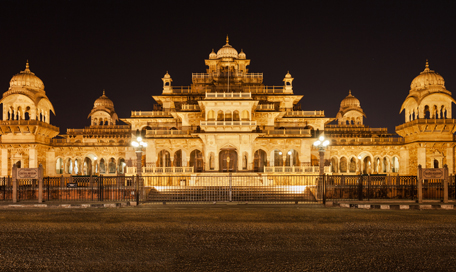
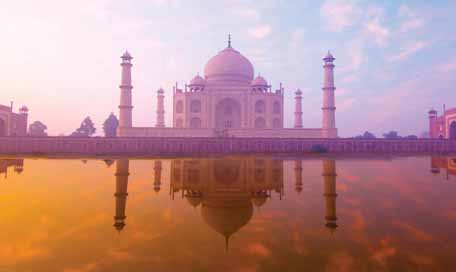
For American travelers visiting India for the first time, a structured itinerary provides balance and comfort. The Golden Triangle route including Delhi, Agra, and Jaipur offers architectural highlights and manageable travel distances.
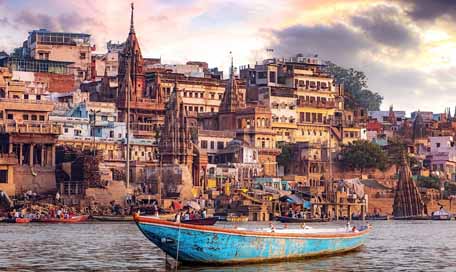
Extending the journey to Udaipur adds lake scenery and royal heritage. Travelers interested in spirituality often include Varanasi or Rishikesh. Wildlife enthusiasts may incorporate Ranthambore National Park.
Careful route planning reduces logistical stress and optimizes travel flow. Many US visitors prefer private driver arrangements to ensure convenience and flexibility throughout the trip.
Apply for your e-visa, prepare your documents, and plan your itinerary with ease. Everything you need to travel from the USA to India in one place.
Chat on WhatsApp Contact UsClimate varies widely across India. Northern regions experience cooler winters and hot summers. Southern India maintains tropical conditions year-round. Monsoon season brings rainfall to many areas but also lush landscapes and lower hotel rates.
Understanding seasonal differences supports effective packing and itinerary adjustments. Travelers should research regional climate patterns aligned with their chosen destinations.
Purchasing a local SIM card upon arrival provides affordable data access. Major cities offer reliable mobile networks and internet connectivity. Staying connected assists with navigation, digital payments, and communication with tour providers.
International roaming is available but may incur higher charges compared to local data services.
Yes, most US passport holders must obtain a valid tourist visa prior to arrival.
Several major US cities offer direct flight options to Indian metropolitan hubs.
India is generally safe when travelers follow practical safety guidelines and use reputable services.
Comprehensive travel insurance is strongly recommended for medical and emergency protection.
Credit cards are accepted in major cities and tourist areas.
Ten to fourteen days allows comfortable exploration of major highlights.
English is commonly used in tourism, hospitality, and urban areas.
Travelers should consult healthcare providers for updated vaccination recommendations.
Many American travelers prefer private drivers for convenience and flexibility.
Yes, most tour operators offer fully customizable itineraries tailored to preferences.