A Guide of South India Tour
15 Apr 2021



Planning a journey across India can be both exciting and overwhelming. The country is vast, culturally diverse, historically rich, and filled with destinations that look completely different from one another. Many travelers arrive with ambitious plans only to realize that attempting to see everything in a short period often results in exhaustion rather than enjoyment. This is exactly why a carefully designed India 3 weeks itinerary is considered one of the most rewarding ways to experience the country.
Twenty-one days creates the perfect balance between exploration and comfort. It provides enough time to visit India's most famous landmarks while also allowing travelers to enjoy the journey itself. Instead of spending every day checking into new hotels and rushing between attractions, visitors can immerse themselves in each destination, understand local culture, and experience the unique character that makes every city different.
For first-time visitors, North India and Rajasthan offer the ideal combination of history, architecture, wildlife, culture, food, and landscapes. The route covers magnificent Mughal monuments, royal palaces, ancient forts, vibrant bazaars, desert scenery, traditional villages, and some of the country's most memorable cultural experiences.
Traveling with a private driver in India makes this type of itinerary significantly easier. The journey becomes smooth, flexible, and comfortable. Travelers can stop whenever they wish, travel at their own pace, and enjoy parts of India that are often missed when using trains or domestic flights.
This itinerary begins in Delhi, travels through the famous Golden Triangle, enters Rajasthan's royal cities, explores desert landscapes, includes wildlife experiences, and concludes with a deeper understanding of India's extraordinary diversity.
Travel from the historic streets of Delhi to Agra's Mughal wonders, Rajasthan's royal cities, the Thar Desert, Ranthambore's wilderness, Mount Abu's hills, Pushkar's spiritual atmosphere, and Udaipur's lakes.
Delhi is not simply the capital of India. It is a city that introduces travelers to thousands of years of history while simultaneously showcasing the country's modern ambitions. For first-time visitors, Delhi offers the perfect introduction because it contains many of the contrasts that define India itself.
The city combines ancient monuments, Mughal architecture, colonial-era landmarks, modern business districts, luxury hotels, crowded markets, and quiet residential neighborhoods. Walking through Delhi often feels like traveling through different historical periods within a single day.
Old Delhi presents a fascinating world of narrow streets, colorful markets, traditional food vendors, religious sites, and constant activity. Chandni Chowk remains one of the most famous market areas in India, offering a glimpse into the city's historic trading culture. The atmosphere is energetic, vibrant, and unforgettable.
Jama Masjid dominates the skyline of Old Delhi and stands among the largest mosques in the country. Nearby, visitors can experience local life through rickshaw rides and market walks that reveal the everyday rhythm of the city.
New Delhi offers a completely different perspective. Wide boulevards, government buildings, landscaped avenues, and elegant architecture create a calmer atmosphere. Landmarks such as India Gate, Humayun's Tomb, and Qutub Minar reveal the city's remarkable architectural heritage.
Spending two or three days in Delhi allows travelers to overcome jet lag while gradually becoming familiar with India before continuing toward the country's most famous attractions.
No North India private tour feels complete without visiting Agra. Although the city is known worldwide for the Taj Mahal, limiting Agra to a single monument would overlook much of its historical significance.
The drive from Delhi to Agra is comfortable and introduces travelers to the landscapes of northern India. Unlike train travel or domestic flights, a road journey allows visitors to observe local villages, agricultural areas, roadside markets, and daily life unfolding along the route.
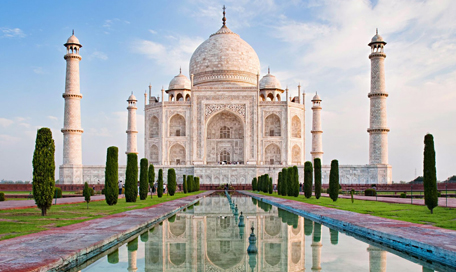
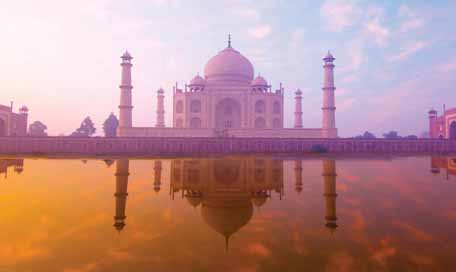
The Taj Mahal remains one of the most extraordinary architectural achievements in human history. Visitors often arrive with high expectations because they have seen countless photographs throughout their lives. Yet standing before the monument in person creates an entirely different experience.
The changing colors of the marble throughout the day, the symmetry of the gardens, and the remarkable craftsmanship reveal why the Taj Mahal continues to captivate travelers from every corner of the world.
Agra Fort offers an equally important historical experience. The massive fortress served as the center of Mughal power and provides insight into the empire that shaped much of India's architectural heritage. Walking through its palaces and courtyards helps visitors understand the scale and sophistication of Mughal civilization.
An overnight stay in Agra creates opportunities to enjoy sunrise and sunset views while exploring the city beyond its most famous landmark.
Leaving Agra behind, the itinerary enters Rajasthan, India's most colorful and culturally distinctive state. The journey to Jaipur introduces travelers to landscapes and traditions that immediately feel different from those of Delhi and Agra.
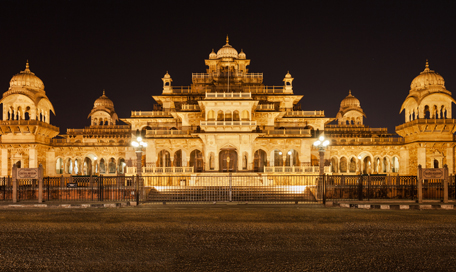
Jaipur is often called the Pink City, but the destination offers much more than its famous pink-colored architecture. As the historic capital of a royal kingdom, Jaipur remains one of India's most rewarding cultural destinations.
Amber Fort rises dramatically above the surrounding landscape and ranks among the finest fortresses in the country. Visitors can spend hours exploring its palaces, courtyards, mirror halls, and panoramic viewpoints. Every section reveals details about royal life, military strategy, and artistic achievement.
The City Palace continues to function as part royal residence and part museum. Its collections include royal costumes, weapons, artwork, and historical artifacts that tell the story of Rajasthan's rulers.
Jaipur also offers some of India's most enjoyable shopping experiences. Traditional markets sell gemstones, jewelry, textiles, ceramics, paintings, and handcrafted goods produced by local artisans.
The city combines history, culture, shopping, food, and architecture in a way that appeals to nearly every type of traveler. Many visitors find themselves wishing they had planned additional time here.
After exploring historical cities, Ranthambore introduces a completely different side of India. Located within one of the country's most famous national parks, this destination is best known for its population of Bengal tigers.
A Rajasthan itinerary with private driver becomes particularly valuable when visiting wildlife destinations because transportation schedules remain flexible and comfortable.
Ranthambore National Park combines dramatic landscapes with rich biodiversity. Ancient ruins, lakes, forests, and rocky terrain create an environment that feels completely different from Rajasthan's urban centers.
Morning and afternoon safaris offer opportunities to search for tigers, leopards, crocodiles, deer, monkeys, and numerous bird species. Even when wildlife sightings vary, the scenery itself makes every safari worthwhile.
The historic Ranthambore Fort overlooking the park adds another layer of interest. The fortress provides spectacular views across the surrounding wilderness and serves as a reminder of the region's long history.
Spending two nights here allows travelers to enjoy multiple safaris while experiencing a slower pace before continuing deeper into Rajasthan.
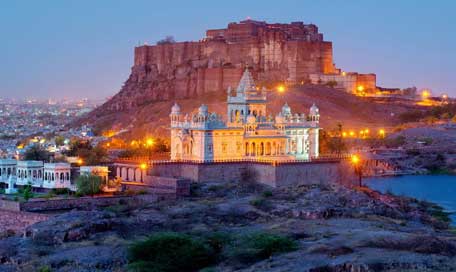
Jodhpur introduces visitors to one of Rajasthan's most photogenic destinations. Known as the Blue City, Jodhpur spreads beneath the towering walls of Mehrangarh Fort, creating one of India's most iconic urban landscapes.
The fort itself ranks among the greatest architectural achievements in Rajasthan. Massive walls protect a complex of palaces, museums, courtyards, and galleries that reveal centuries of royal history.
Views from the fort stretch across the city, where countless blue-painted houses create a striking visual contrast against the desert landscape. Photographers often consider Jodhpur one of the most rewarding cities in India.
The old city surrounding the Clock Tower remains full of life. Traditional markets, spice shops, textile merchants, and local businesses create an atmosphere that feels authentic and vibrant.
Jodhpur also serves as an excellent place to experience Rajasthani cuisine. Traditional dishes, local flavors, and historic dining venues contribute to the city's distinctive character.
Unlike Jaipur's grand royal avenues, Jodhpur feels more intimate and connected to its historical roots, making it a favorite destination among many international travelers.
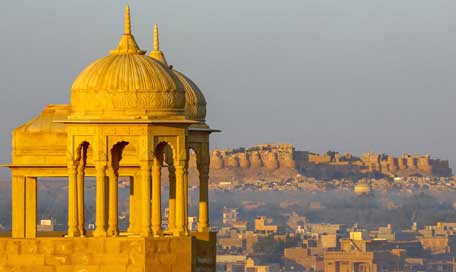
Few destinations capture the imagination quite like Jaisalmer. Rising from the edge of the Thar Desert, the city appears almost like a mirage created from golden sandstone.
The journey toward Jaisalmer reveals Rajasthan's changing geography. Villages become more remote, landscapes become drier, and desert scenery gradually dominates the horizon.
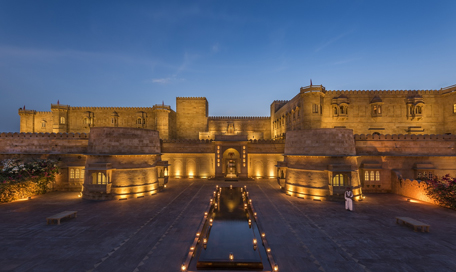
Jaisalmer Fort remains one of the world's rare living forts. Unlike many historical fortresses that function solely as museums, this fort continues to house shops, homes, temples, and businesses. Walking through its narrow streets feels like stepping into another era.
The city's havelis display some of India's finest stone carvings. These elaborate merchant mansions showcase extraordinary craftsmanship and offer insight into Jaisalmer's historic role as a trading center.
The surrounding desert provides one of Rajasthan's most memorable experiences. Camel safaris, jeep excursions, cultural performances, and overnight desert camps allow travelers to experience the unique atmosphere of the Thar Desert.
Sunset over the sand dunes often becomes one of the defining memories of a Rajasthan journey.
After the desert landscapes of western Rajasthan, Udaipur feels like a completely different world. Surrounded by lakes, hills, and palaces, the city offers a more relaxed and romantic atmosphere.
Many travelers consider Udaipur the most beautiful city in Rajasthan. Its waterfront setting creates views that are unlike anything encountered elsewhere on the itinerary.
Lake Pichola forms the heart of the city. Boat rides reveal palaces, temples, ghats, and historic buildings reflected in the water. The experience becomes especially memorable during sunset.
The City Palace overlooking the lake combines royal history with spectacular views. Visitors can spend hours exploring its galleries, courtyards, balconies, and museums.
Udaipur's old city encourages slow exploration. Narrow lanes lead to cafés, boutiques, art galleries, and local markets where travelers can enjoy the city's relaxed character.
After several weeks of exploration, Udaipur provides the perfect setting to slow down and appreciate the journey before returning to Delhi for departure.
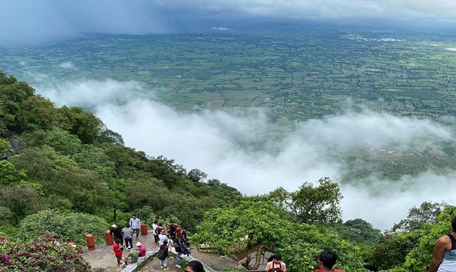
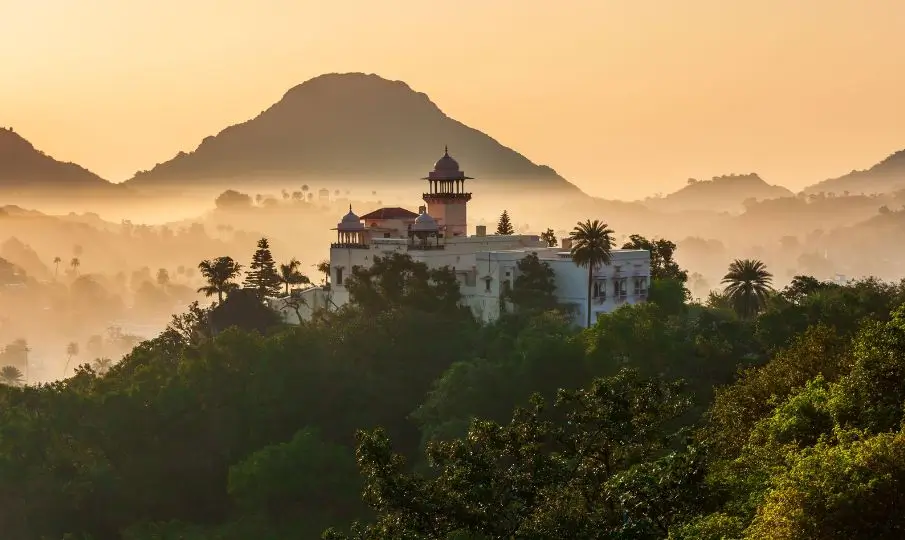
Most international visitors associate Rajasthan with deserts, forts, palaces, and arid landscapes. Very few expect to find a hill station surrounded by forests, rocky hills, lakes, and significantly cooler temperatures. That is exactly what makes Mount Abu such an interesting addition to a 3 weeks India itinerary.
Located in the Aravalli Hills near the border of Gujarat, Mount Abu provides a refreshing contrast after visiting the desert regions of Jaisalmer and Jodhpur. The drive toward Mount Abu gradually transforms the scenery. Dry plains give way to hills, greenery becomes more visible, and the atmosphere feels noticeably different from much of Rajasthan.
The most famous attraction in Mount Abu is the Dilwara Temples. These Jain temples are widely regarded as some of the finest examples of marble craftsmanship anywhere in the world. The detail found in the carvings is astonishing. Ceilings, pillars, domes, and walls display intricate patterns that often leave visitors wondering how such precision was achieved centuries ago.
Nakki Lake forms the social center of the town. Surrounded by hills and walking paths, it provides a peaceful setting where travelers can relax after days of sightseeing. Boating on the lake during the evening offers beautiful views of the surrounding landscape.
Sunset Point remains one of Mount Abu's most popular attractions. As the sun begins to disappear behind the hills, visitors gather to enjoy panoramic views and cooler temperatures that feel completely different from Rajasthan's desert environment.
Mount Abu also offers opportunities for nature walks, photography, and simple relaxation. Many travelers appreciate having a destination where sightseeing is less intensive and where the focus shifts toward enjoying the environment itself.
Including Mount Abu within a North India and Rajasthan private tour adds variety and prevents the itinerary from becoming focused entirely on historical monuments.
After exploring royal cities, deserts, wildlife parks, and hill stations, Pushkar introduces another important dimension of Indian culture. This small town is one of the country's most important spiritual destinations and possesses a unique atmosphere that differs dramatically from Rajasthan's larger cities.
Pushkar is built around a sacred lake surrounded by temples, ghats, and traditional neighborhoods. Pilgrims arrive throughout the year to perform religious ceremonies and visit the town's many sacred sites.
The Brahma Temple is the most famous attraction and remains one of the few major temples in the world dedicated to Lord Brahma. Its significance attracts visitors from across India as well as international travelers interested in religion and history.
Walking around Pushkar Lake provides insight into the town's spiritual character. The ghats surrounding the water are used for prayer, ceremonies, and religious rituals. The atmosphere often feels peaceful compared to the busy streets of larger cities.
Pushkar is also known for its colorful markets. Traditional clothing, handicrafts, jewelry, textiles, and souvenirs are available throughout the town. Unlike the larger commercial markets of Jaipur or Jodhpur, shopping in Pushkar often feels more relaxed and personal.
Many visitors choose to spend evenings at rooftop cafés overlooking the lake. Watching the sunset while listening to temple bells creates a memorable experience that captures the unique character of the town.
For travelers seeking a balance between cultural exploration and relaxation, Pushkar offers an ideal stop within a Rajasthan road trip itinerary.
India cannot truly be understood in a few rushed days. Give yourself 21 days to slow down, explore deeper, and experience the remarkable contrasts that make this country extraordinary.
One of the greatest advantages of traveling with a private driver in India is the ability to explore destinations that rarely appear in standard tour packages. While Rajasthan's major cities deserve their popularity, some of the most authentic experiences occur in rural regions where traditional lifestyles continue much as they have for generations.
Driving through the countryside reveals a side of Rajasthan that many visitors never encounter. Small villages, traditional homes, local markets, farming communities, and ancient temples create a deeper understanding of the region's culture.
Many travelers are surprised by the warmth and hospitality they encounter in rural areas. Villagers often greet visitors with curiosity and friendliness. Conversations, even when limited by language differences, frequently become memorable moments.
Traditional crafts remain an important part of village life. Pottery, weaving, textile production, metalwork, and agricultural activities continue to support local communities. Observing these practices provides valuable insight into Rajasthan's cultural heritage.
Heritage properties located in rural areas offer another unique experience. Former forts, palaces, and noble residences have been transformed into boutique hotels where guests can enjoy traditional hospitality in historic surroundings.
Destinations such as Narlai, Chandelao, Khimsar, Rohet, and various countryside estates provide opportunities to experience Rajasthan beyond its major tourist centers. These locations often become favorite memories because they offer authenticity, tranquility, and meaningful interaction with local culture.
Including rural experiences transforms a good itinerary into a truly memorable journey.
A balanced 21-day India itinerary with private driver should allow enough time in each destination without creating unnecessary travel pressure.
A recommended routing may begin with three nights in Delhi. This provides sufficient time to explore both Old Delhi and New Delhi while recovering from international travel.
From Delhi, travelers continue to Agra for one night. This allows time for the Taj Mahal, Agra Fort, and additional sightseeing without feeling rushed.
Two nights in Jaipur provide opportunities to explore Amber Fort, City Palace, Hawa Mahal, local markets, and cultural experiences.
Two nights in Ranthambore allow for multiple safari drives and wildlife viewing opportunities.
Two nights in Jodhpur provide adequate time to explore Mehrangarh Fort, Jaswant Thada, the old city, and local markets.
Two nights in Jaisalmer allow visitors to experience the fort, historic mansions, desert landscapes, and overnight desert activities.
One or two nights in Mount Abu offer a refreshing break from the desert environment.
One night in Pushkar provides enough time to experience the spiritual atmosphere and local markets.
Three nights in Udaipur create opportunities to enjoy the city's lakes, palaces, old city, and relaxed atmosphere.
The remaining nights can be allocated to rural heritage properties, countryside experiences, or additional destinations depending on personal interests.
This routing creates a comfortable pace while ensuring that travelers experience the diversity that makes Rajasthan and North India so rewarding.
Hotels play a significant role in shaping the overall travel experience. Rajasthan is particularly famous for heritage properties that allow visitors to experience royal hospitality while enjoying modern comfort.
Delhi offers a wide range of options, from international luxury brands to boutique heritage hotels. Staying in central locations often improves sightseeing efficiency and reduces travel time.
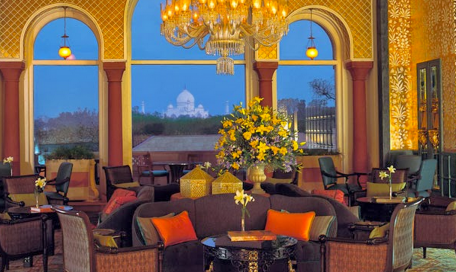
Agra provides excellent luxury hotels with views of the Taj Mahal as well as charming boutique properties that focus on personalized service.
Jaipur is home to some of India's most famous heritage hotels. Former palaces and royal residences have been transformed into elegant accommodations that reflect the city's regal character.
Jodhpur offers dramatic palace hotels overlooking the city as well as boutique properties located within historic buildings.
In Jaisalmer, travelers can choose between heritage hotels inside the old city and luxury desert camps that provide unique overnight experiences beneath the stars.
Udaipur is particularly famous for its lakeside hotels. Many properties offer stunning views across Lake Pichola and create a romantic atmosphere that perfectly complements the city itself.
Choosing accommodations that reflect local character often enhances the journey far more than selecting generic hotels.
The success of this India private driver itinerary lies in its balance. It combines famous landmarks with lesser-known experiences. It includes history, culture, architecture, wildlife, nature, spirituality, and local life without becoming repetitive.
Travelers begin with the iconic monuments of Delhi and Agra before moving into Rajasthan's royal heritage. Wildlife experiences in Ranthambore provide variety, while Jaisalmer introduces desert landscapes that feel completely different from anything encountered earlier in the trip.
Mount Abu adds natural beauty and cooler temperatures. Pushkar contributes spiritual significance and local culture. Udaipur concludes the journey with elegance, lakes, and relaxation.
Every destination contributes something unique. No city feels like a repetition of the previous one. Instead, each stop expands the traveler's understanding of India's remarkable diversity.
The flexibility provided by a private car tour India ensures that travelers can enjoy this route comfortably. Stops can be adjusted, schedules can be modified, and personal interests can influence the journey along the way.
By the end of three weeks, visitors have experienced some of India's most celebrated destinations while also gaining insight into the traditions, landscapes, and daily life that make the country so fascinating.
Yes. Twenty-one days allows travelers to experience the major highlights while maintaining a comfortable pace.
Rajasthan offers forts, palaces, wildlife, desert experiences, heritage hotels, cultural traditions, and beautiful landscapes within a relatively connected region.
Yes. A private driver provides convenience, flexibility, comfort, and efficient transportation throughout the journey.
Two to three days is generally ideal for first-time visitors.
Yes. It adds wildlife experiences and creates variety between historical destinations.
Two nights generally allow enough time to explore the city and enjoy desert activities.
While not essential, it provides a refreshing change of scenery and introduces a different side of Rajasthan.
Udaipur is widely regarded as Rajasthan's most romantic destination because of its lakes, palaces, and relaxed atmosphere.
Yes. The route works very well for families when traveling with a private vehicle.
Absolutely. Additional destinations, luxury experiences, wildlife extensions, rural stays, or spiritual sites can easily be incorporated according to individual interests.