A Guide of South India Tour
15 Apr 2021



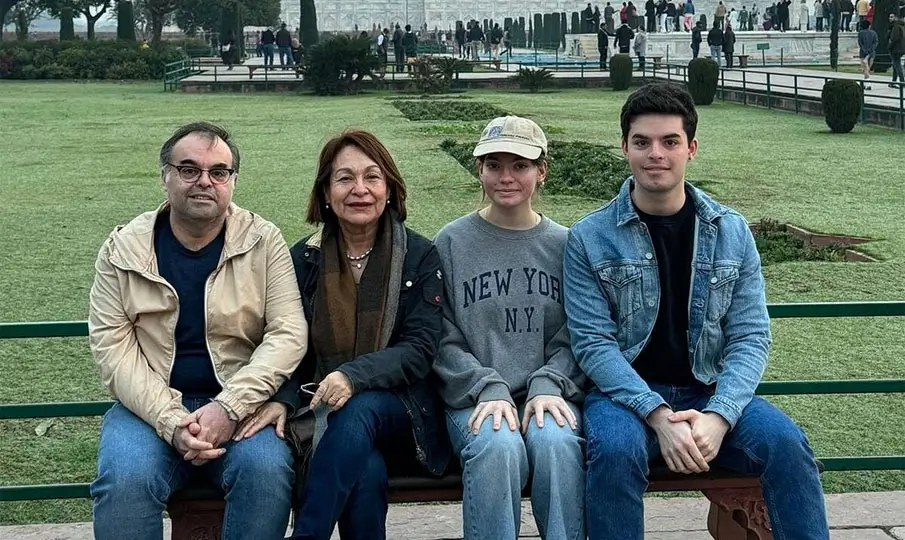
For many foreign travelers, clothing feels like a personal choice rather than a cultural statement. In India, it is both. What you wear shapes how you are perceived, how comfortable you feel, and how smoothly daily interactions unfold. India is not conservative in a single, uniform way. It is situational. A modern café in Mumbai, a palace hotel in Rajasthan, a rural village, and a sacred temple all operate under different social expectations. Travelers who dress without awareness often attract unwanted attention, feel uncomfortable, or unintentionally offend local sensibilities. Those who dress thoughtfully blend in more easily, feel safer, and enjoy warmer interactions.
Understanding how to dress in India is not about restriction. It is about reading the environment and responding respectfully. This guide explains clothing etiquette in practical terms so travelers can feel confident rather than cautious.
Modesty in India is not about covering everything; it is about balance. Shoulders, chest, and knees carry more cultural sensitivity than arms or ankles. Tight or revealing clothing draws attention not because it is forbidden, but because it is unusual in everyday public settings. Indian cities are busy, crowded, and social. Clothing that stands out visually naturally attracts eyes. For travelers, blending in often feels more comfortable than standing apart.
This does not mean dressing like locals head to toe. It means choosing silhouettes and coverage that align with social norms. Travelers who understand Indian cultural etiquette clothing often report feeling less stared at and more relaxed moving through public spaces.
Now that you know what to wear in India, let our experts handle the rest. From carefully selected stays and smooth transfers to cultural guidance and local support — we make your India trip seamless and stress-free.
Men generally face fewer clothing restrictions than women, but etiquette still matters. Shorts above the knee, sleeveless shirts, or very tight clothing are uncommon in most public settings outside beach destinations. Lightweight trousers, relaxed jeans, and breathable shirts work well across most regions. In cities, casual Western clothing is widely accepted. In rural areas and religious sites, covering legs and shoulders shows respect.
Men visiting temples should avoid sleeveless tops and shorts. Long trousers and shirts with sleeves are always appropriate. Understanding men’s dress code in India helps travelers avoid uncomfortable moments at temple entrances or heritage sites.
Women travelers often worry the most about clothing, but India is manageable with the right approach. Loose, breathable clothing that covers shoulders and knees works almost everywhere. Dresses and skirts are fine when they fall below the knee. Lightweight scarves become invaluable, offering quick coverage for temples or conservative areas.
Tight clothing attracts attention not because it is immoral, but because it is visually uncommon. Travelers who choose flowy silhouettes often feel both stylish and comfortable. In urban centers, women wear jeans, tops, and dresses daily, but modest cuts are more common than revealing ones.
Understanding women’s clothing in India is about reducing friction, not limiting expression. Many travelers discover they enjoy dressing more comfortably than expected once they adapt.
Temples are the most important places where dress etiquette truly matters. Across Hindu, Jain, Sikh, Muslim, and Buddhist sites, modesty signals respect. Covered shoulders and knees are expected. Many temples require shoes to be removed before entry, so footwear that is easy to slip on and off is practical.
Some temples provide wrap-around cloths at entrances for visitors who arrive underdressed, but relying on this is not ideal. Planning ahead avoids awkward moments. Understanding temple dress code in India allows travelers to enter sacred spaces confidently rather than hesitantly.
In Sikh gurdwaras, head covering is mandatory for everyone. Scarves are usually provided, but carrying one is respectful. In mosques, women may be asked to cover their head and arms fully.
India’s diversity means clothing norms vary by region. Metropolitan cities like Mumbai, Delhi, and Bangalore are more relaxed, especially in upscale neighborhoods. Beach destinations like Goa allow casual summer wear, though modesty is still appreciated away from the coast.
Rajasthan favors conservative dressing due to climate and tradition. Loose cotton clothing that covers skin protects from heat and sun. Southern India tends to be modest but relaxed, with breathable fabrics preferred due to humidity. Hill regions prioritize layering due to temperature changes.
Understanding regional dress etiquette in India helps travelers pack appropriately rather than overgeneralizing the country.
Climate plays a major role in clothing choices. India’s heat can be intense, making breathable fabrics essential. Cotton and linen outperform synthetic materials. Layering works best in winter and in air-conditioned spaces, which can feel surprisingly cold indoors.
Monsoon season requires quick-dry fabrics and practical footwear. Light rain jackets or wraps work better than heavy coats. Dressing for weather while maintaining modesty keeps travelers comfortable throughout the day.
Footwear matters more than many travelers expect. Shoes are removed frequently at temples, homes, and sometimes even shops. Slip-on shoes or sandals make life easier. Comfortable walking shoes are essential for sightseeing, as uneven pavements are common.
Avoid wearing expensive or delicate footwear to crowded places, as dust and moisture are part of daily life. Understanding footwear etiquette in India prevents frustration and unnecessary inconvenience.
Certain clothing choices consistently cause discomfort for travelers. Extremely short shorts, deep-cut tops, transparent fabrics, and tight gym wear attract attention in public spaces. Beachwear should remain at beaches and resorts, not city streets.
This is not about judgment but context. Dressing in a way that contrasts sharply with surroundings creates unnecessary friction. Travelers who adapt their wardrobe slightly often feel far more at ease.
India offers dramatic contrasts. What feels appropriate inside a luxury hotel may feel out of place just outside its gates. Resort environments allow more relaxed dressing, but stepping into local neighborhoods calls for modest adjustments. Carrying a scarf or light layer helps travelers transition between environments effortlessly.
Understanding how to dress in India as a tourist means adjusting based on setting rather than sticking rigidly to one style.
Clothing in India communicates intent. Modest dressing signals respect and curiosity rather than distance. Locals often respond more warmly to travelers who make small efforts to align with local norms. This can lead to better service, more helpful interactions, and a generally smoother travel experience.
These subtle social signals matter more than guidebooks often explain. Travelers who dress thoughtfully often notice the difference immediately.
While clothing alone does not determine safety, it influences comfort levels and unwanted attention. Travelers who blend in visually tend to feel less conspicuous in crowds. This psychological comfort matters, especially for solo travelers and women. Dressing appropriately allows travelers to focus on experiences rather than self-consciousness.
Understanding cultural dress etiquette in India is one of the simplest ways to travel more confidently.
India does not operate on strict dress rules outside religious spaces. Context matters more than law. Travelers who observe and adapt naturally navigate India better than those who worry excessively. Clothing should support movement, comfort, and respect rather than restrict enjoyment.
This is where experienced guidance makes a difference. India Trip Planners helps travelers prepare realistically, aligning dress advice with specific routes, regions, and experiences rather than offering generic rules.
Understanding what to wear is just the beginning. Let our experts craft a seamless India journey with handpicked stays, reliable transfers, and personalized support — so you travel stress-free and fully prepared.
Dressing in India is an exercise in awareness rather than limitation. Travelers who understand cultural signals, regional differences, and situational etiquette enjoy smoother interactions and deeper engagement. Clothing becomes a bridge rather than a barrier. When travelers dress thoughtfully, India feels welcoming rather than overwhelming, allowing the journey to unfold naturally.
No, but modest dressing helps travelers blend in comfortably.
Yes, dresses below the knee are widely accepted.
Longer shorts are acceptable in cities but not in temples.
Only at specific religious sites such as Sikh gurdwaras.
Yes, jeans are commonly worn across India.
Clothing that covers shoulders and knees is appropriate.
No, beachwear should stay at beaches and resorts.
Yes, it often helps travelers feel more comfortable.
Yes, affordable and suitable clothing is widely available.
It shows respect and helps travelers navigate social spaces smoothly.