A Guide of South India Tour
15 Apr 2021



Choosing between North India and South India is one of the most important decisions for anyone planning their first trip. India is not a single uniform destination; it is a vast country where each region offers a completely different experience in terms of culture, architecture, food, climate, and travel style. Understanding the contrast between North India vs South India travel helps you design a trip that matches your expectations instead of overwhelming you with too many options.
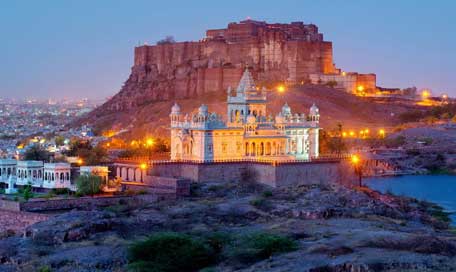
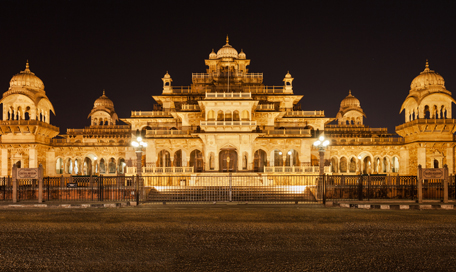
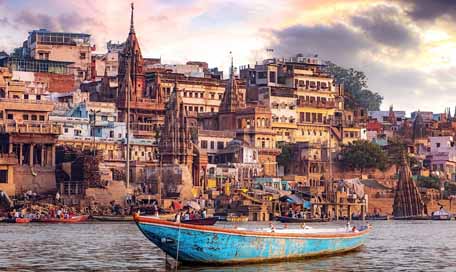
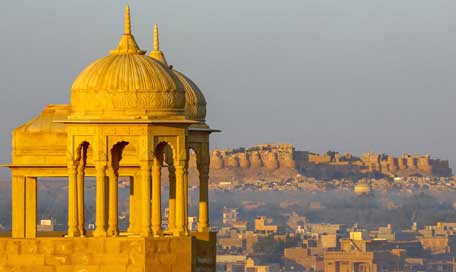
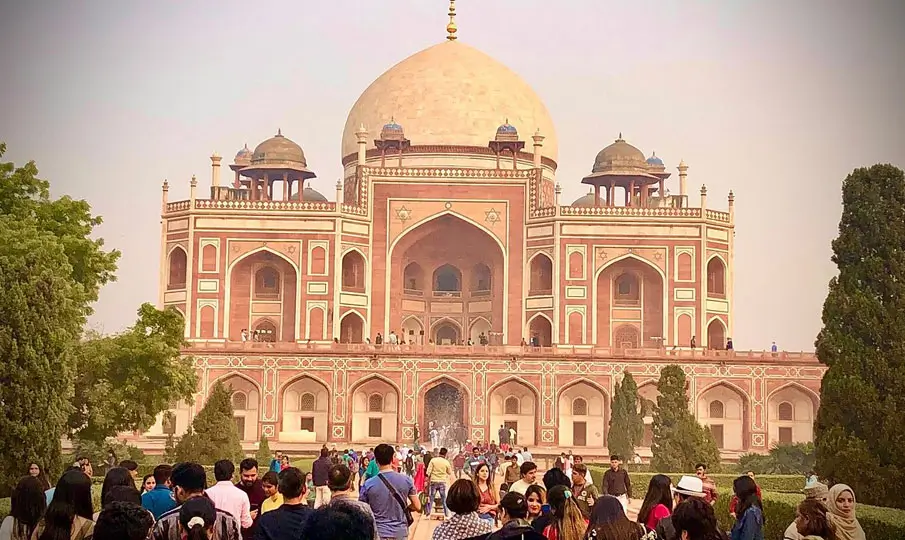
North India is often associated with iconic landmarks, royal heritage, deserts, forts, and historical cities. Destinations such as Delhi, Agra, Jaipur, and Rajasthan dominate travel itineraries because they showcase India’s rich Mughal and Rajput history. This region is visually dramatic, culturally intense, and often fast-paced. For first-time travelers, North India provides a strong introduction to the country’s most famous attractions.
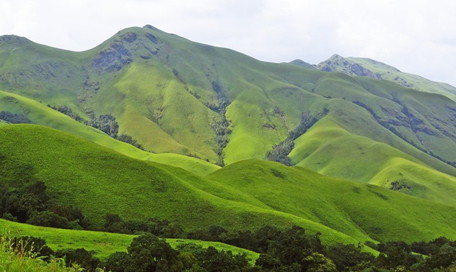
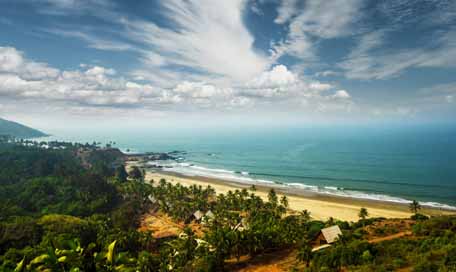
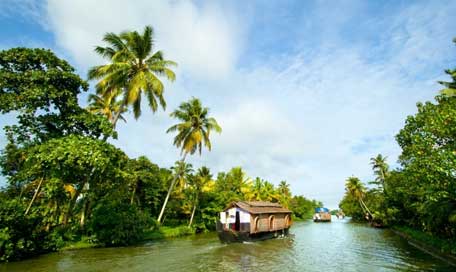
South India, on the other hand, offers a completely different atmosphere. It is known for its lush landscapes, backwaters, beaches, temples, and slower pace of travel. States like Kerala, Tamil Nadu, and Karnataka provide a more relaxed and nature-focused experience. The environment feels less crowded, and the cultural style is more subtle compared to the intensity of North India.
Understanding this difference is crucial because it directly affects how you experience India. Travelers who prefer heritage and iconic landmarks may find North India more appealing, while those seeking relaxation and natural beauty may lean towards South India. This comparison between North India tour vs South India tour is not about which is better, but about which suits your travel style.
If you are confused about which region to choose based on your itinerary, travel duration, and preferences, you can contact Mr. Mohit at +91-9999822478 or info@indiatripplanners.com for expert guidance and personalized travel planning.
Get expert help choosing the perfect India itinerary based on your travel style, budget & interests.
Culture is one of the most defining aspects of travel in India, and the difference between North and South India is clearly visible in language, traditions, architecture, and daily life. Understanding these cultural variations helps you choose the region that aligns with your interests.
North India reflects a blend of Mughal, Rajput, and colonial influences. You will find grand forts, palaces, and monuments that tell stories of empires and kingdoms. The architecture is bold and intricate, and the cities are vibrant and energetic. Festivals, markets, and street life are intense, creating a dynamic travel experience.
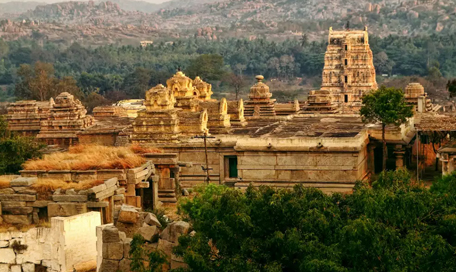
South India, in contrast, is deeply rooted in ancient traditions and temple culture. The architecture is dominated by temples with towering gateways and detailed carvings. The cultural environment feels more structured and spiritual, with a strong emphasis on rituals and traditions.
Language also differs significantly between the two regions. While Hindi is widely spoken in North India, South India has multiple regional languages such as Tamil, Kannada, and Malayalam. However, English is commonly used in both regions, making communication manageable for tourists.
Food is another major cultural difference. North Indian cuisine includes rich curries, breads, and spices, while South Indian food focuses on rice-based dishes, coconut flavors, and lighter preparations. Understanding these differences in India cultural diversity travel helps you prepare for a more immersive experience.
Weather plays a major role in shaping your travel experience, and the climate varies significantly between North and South India. Understanding India travel weather by region helps you plan your trip at the right time.
North India experiences extreme weather conditions. Summers can be very hot, winters can be cold, and the climate changes dramatically throughout the year. This means that the best time to visit depends on the season and your tolerance for temperature variations.
South India has a more consistent and tropical climate. Temperatures remain relatively stable, but humidity can be higher, especially in coastal areas. Monsoon seasons also affect travel in South India, bringing heavy rainfall in certain regions.
Choosing between the two regions often depends on your comfort with weather conditions. Travelers who prefer cooler climates may find North India more suitable during winter, while those who enjoy tropical environments may prefer South India.
Understanding these climate differences ensures that you can plan your trip comfortably and avoid unfavorable weather conditions.
The overall travel experience in North and South India differs significantly in terms of pace and intensity. North India is often fast-paced, with busy cities, crowded attractions, and a high level of activity. This creates an exciting but sometimes overwhelming environment for first-time visitors.
South India offers a more relaxed and slower travel experience. The focus is on nature, wellness, and cultural immersion rather than fast sightseeing. This makes it ideal for travelers who want to unwind and explore at a comfortable pace.
Choosing between these experiences depends on your travel goals. If you want to cover major landmarks quickly, North India is the better option. If you prefer a calm and peaceful journey, South India provides a more suitable environment.
Understanding India travel experience comparison helps you align your itinerary with your expectations.
Travel logistics also differ between the two regions. North India has well-developed road networks connecting major tourist destinations, making it easier to travel by road. Hiring a private car and driver in India is a popular choice for exploring cities like Delhi, Agra, and Jaipur.
South India also offers good connectivity, but distances between destinations can be longer. Flights and trains are commonly used to cover larger distances, while road travel is preferred for shorter routes.
Planning your transportation based on the region ensures a smoother journey. Understanding India travel planning by region helps you choose the most efficient travel methods.
Whether you love forts, beaches, culture or nature, we’ll help you create the perfect North or South India journey.
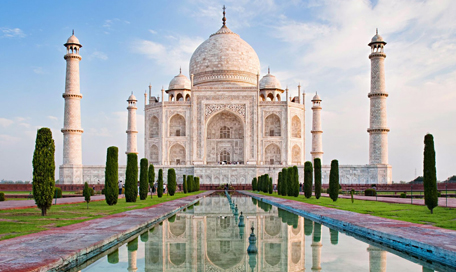
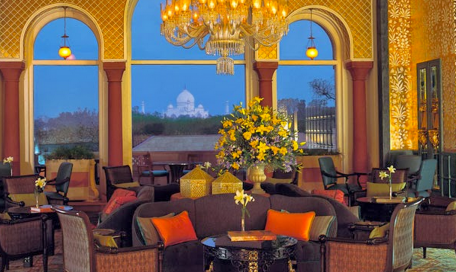
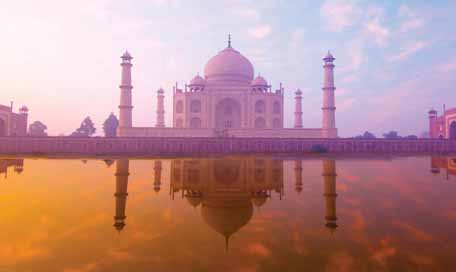
For first-time visitors, North India is often recommended because it includes iconic destinations such as the Taj Mahal and Jaipur. These places provide a strong introduction to India’s history and culture.
However, South India is equally rewarding for travelers who prefer a quieter and more relaxed experience. It offers a different perspective of India that is less crowded and more nature-focused.
The choice ultimately depends on your preferences. Understanding best region for first-time India trip helps you make an informed decision.
Your travel goals play the most important role in deciding between North and South India. If your focus is on heritage, history, and iconic landmarks, North India is the right choice. If you are looking for relaxation, nature, and cultural depth, South India may be more suitable.
Many travelers choose to explore both regions in separate trips to fully experience the diversity of India. This approach allows you to enjoy each region without rushing.
If you need help planning your itinerary or choosing the right region/
Mr. Mohit at +91-9999822478
Gmail:- info@indiatripplanners.com
Yes, professional guidance can help create a well-planned itinerary based on your preferences.
Both regions offer unique cultural experiences, but they differ in style and intensity.
North India is more road-friendly, while South India often involves flights and trains for longer distances.
Weather depends on the season, with North India having more variation and South India having a tropical climate.
It is possible but requires careful planning due to distances and travel time.
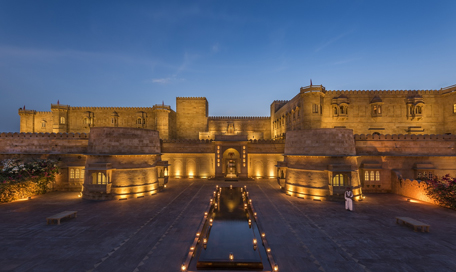
Both regions offer luxury options, but North India is more popular for heritage hotels and royal experiences.
North India features rich curries and breads, while South India focuses on rice-based dishes and lighter flavors.
Yes, South India generally offers a calmer and less crowded travel experience.
North India is often preferred for shorter trips due to its iconic attractions and compact travel routes.
North India focuses on historical landmarks and vibrant cities, while South India offers nature, temples, and a more relaxed environment.