A Guide of South India Tour
15 Apr 2021




Planning a journey to India often begins with one central question: how much does a trip to India cost? The answer is not fixed because India is one of the most diverse travel destinations in the world. A traveler can experience the country on a modest daily budget or indulge in an ultra-luxury journey with palace hotels and chauffeur-driven cars. The total India trip cost depends on travel style, number of days, route selection, accommodation category, and transport choices.
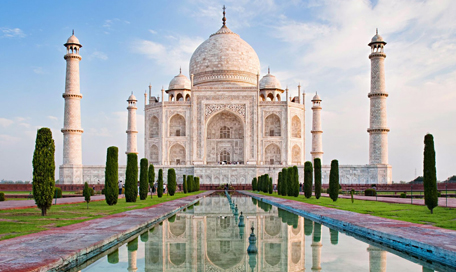
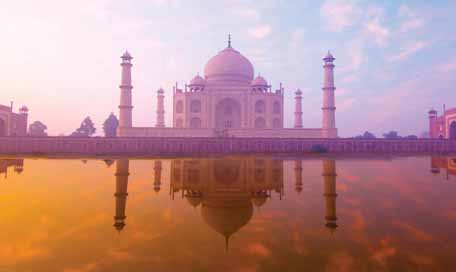
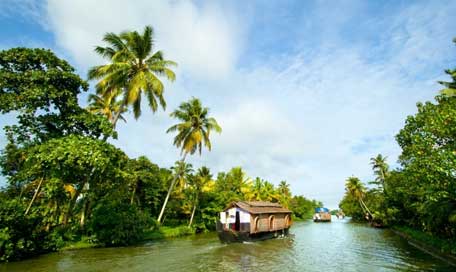
India offers extraordinary flexibility. A carefully planned India travel budget allows visitors to experience iconic landmarks such as the Taj Mahal, Rajasthan forts, Kerala backwaters, Himalayan landscapes, and spiritual cities without overspending. At the same time, luxury travelers can design curated experiences that include heritage palace stays, premium trains, and private guided excursions.
Understanding cost components in advance helps travelers avoid surprises and manage expectations. From flights and visa fees to daily food expenses and internal transport, each element contributes to the overall India travel cost. When properly structured, India can deliver exceptional value compared to many international destinations.
This guide provides a comprehensive breakdown of all major expense categories so foreign travelers can confidently estimate their India tour cost and plan a realistic budget.
International flights form a significant portion of the overall India travel cost. Airfare varies depending on departure country, season, booking window, and airline selection. Travelers from North America and Europe often find competitive pricing when booking well in advance. Seasonal demand strongly influences ticket rates, particularly during winter months when India’s tourism peak season begins.
Major entry cities such as Delhi, Mumbai, Bangalore, and Chennai are well connected with global carriers. Flexible travel dates can significantly reduce airfare. Travelers who avoid peak holiday seasons typically secure better pricing. Monitoring fare trends and using multi-city routing can also help reduce overall flight expenses.
While airfare is generally a one-time major expense, choosing the right arrival city can influence internal transport costs. Arriving in Delhi is often ideal for Golden Triangle routes, while arriving in Mumbai may better suit western India itineraries. Strategic planning ensures smoother travel and optimized India trip budget management.
Want a Custom Cost Estimate for Your India Trip?
Tell us your travel dates, destinations and budget — we’ll suggest the best itinerary and price.
Most foreign travelers require a visa to enter India. The cost depends on nationality, visa type, and duration of stay. The India visa cost is usually affordable compared to long-haul flight expenses. The e-visa process has simplified travel planning for many visitors and eliminates the need for in-person embassy appointments.
Visa validity and entry limits should be reviewed carefully to avoid unnecessary extensions or reapplications. Travelers planning multi-entry itineraries or extended stays must select appropriate visa categories. While visa costs are relatively small compared to overall travel expenses, factoring them into the initial India travel planning budget ensures complete financial clarity.
Accommodation represents one of the most flexible components of an India travel budget. The country offers everything from budget guesthouses to world-renowned palace hotels.
Budget accommodations in major cities provide clean and comfortable stays at economical rates. Mid-range hotels offer better amenities, air conditioning, breakfast inclusion, and central locations. Luxury properties deliver high-end hospitality, premium dining, spa facilities, and curated experiences.
In cities like Delhi, Jaipur, and Udaipur, travelers can find excellent value for money compared to Western hotel pricing. Heritage properties in Rajasthan often provide an immersive cultural experience without excessive cost. In contrast, ultra-luxury hotels in metropolitan cities may significantly raise the total India luxury tour cost.
Selecting accommodation strategically by balancing premium cities with affordable regions can help optimize the total India trip cost without compromising comfort.
Transportation choices greatly influence the total India travel cost. India offers diverse internal travel options, including domestic flights, trains, private drivers, and app-based taxis.
Domestic flights are efficient for covering long distances such as Delhi to Kerala or Mumbai to Varanasi. Booking early reduces airfare significantly. Train travel offers an authentic cultural experience and is highly economical, especially for shorter intercity routes.
Hiring a private driver in India is one of the most popular options among foreign travelers. It provides flexibility, comfort, and safety. The private driver cost in India depends on car category, distance, fuel charges, toll taxes, and driver allowances. Although slightly higher than public transport, private car travel offers convenience that enhances the overall journey experience.
Luxury travelers often prefer chauffeur-driven vehicles, which raise the overall India tour package price, but provide superior comfort and seamless logistics.
Food expenses in India can be remarkably affordable. Street food, local eateries, and regional restaurants offer flavorful meals at low cost. Mid-range restaurants provide comfortable dining with international menu options. Fine-dining establishments in luxury hotels cater to travelers seeking premium culinary experiences.
Travelers who mix local dining with occasional upscale meals maintain a balanced India travel budget. Daily food costs vary based on dining style but generally remain reasonable compared to many global destinations.
India’s culinary diversity enhances the overall travel value. From North Indian curries to South Indian dosas and coastal seafood, food becomes an integral part of the experience without dramatically increasing the total India trip cost.
Major attractions such as the Taj Mahal, forts in Rajasthan, and UNESCO heritage sites require entry tickets. Foreign tourist ticket pricing is higher than domestic rates but remains manageable within a planned India travel cost structure.
Hiring licensed guides enhances understanding of historical monuments and cultural landmarks. While guided tours add to the overall expense, they significantly improve travel quality and insight. Many travelers include sightseeing packages within pre-arranged India tour packages, which bundle tickets and guide services.
Adventure activities, wildlife safaris, and cultural performances may require separate bookings. Planning these in advance helps maintain budget control while ensuring availability during peak season.
India accommodates all travel styles. Budget travelers can maintain low daily expenses through economical hotels, train travel, and local dining. Mid-range travelers enjoy balanced comfort with private cars and quality hotels.
Luxury travelers experience curated journeys with heritage palace stays, premium guides, and exclusive access experiences.
The overall India luxury tour cost increases significantly when incorporating five-star hotels, luxury trains, private flights, and curated experiences. However, even luxury travel in India often delivers higher value compared to similar experiences elsewhere.
Choosing the right travel style defines the final India trip budget. Transparent planning and clear expectations prevent overspending and enhance overall satisfaction.
Plan Your India Trip with Experts
Need help planning your India tour or want a custom travel quote? Our travel experts are ready to assist you.
India’s tourism demand fluctuates seasonally. Winter months attract peak international arrivals, which increases hotel and transport prices. Monsoon season often provides discounted accommodation rates and lower airfare, reducing the total India travel cost.
Travelers flexible with dates can benefit from off-season deals. Shoulder months provide moderate weather and balanced pricing. Understanding seasonal trends is crucial for optimizing the overall India tour cost.
Understanding approximate cost ranges helps travelers set realistic expectations before booking flights or hotels. The overall India trip cost depends heavily on travel style, accommodation category, and transportation preference. Below is a structured pricing framework that reflects typical travel patterns for foreign visitors choosing different comfort levels.
Estimated Two-Week India Trip Cost (Per Person)
| Expense Category | Budget Trave | Mid-Range Travel | Luxury Travel |
| International Flights | $700 – $1,200 | $900 – $1,500 | $1,500 – $3,500 |
| Visa Fees | $25 – $80 | $25 – $80 | $25 – $80 |
| Hotels (14 Nights) | $350 – $700 | $1,000 – $1,800 | $3,500 – $8,000 |
| Private Car / Driver | $500 – $900 | $900 – $1,500 | $2,000 – $4,000 |
| Domestic Flights / Trains | $150 – $400 | $300 – $600 | $600 – $1,200 |
| Food & Dining | $200 – $400 | $400 – $700 | $800 – $1,500 |
| Sightseeing & Entry Ticket | $150 – $300 | $300 – $600 | $600 – $1,200 |
| Miscellaneous & Buffer | $200 – $400 | $400 – $700 | $1,000 – $2,000 |
Total Estimated Cost (Per Person for 14 Days)
These numbers reflect average travel behavior, not extreme scenarios. Budget travel assumes comfortable guesthouses, limited domestic flights, and selective private driver usage. Mid-range travel includes quality boutique hotels, regular private car usage, and curated sightseeing. Luxury travel involves five-star hotels, chauffeur-driven vehicles throughout the journey, premium experiences, and high-end dining.
The largest variable in overall India travel cost is accommodation. Choosing heritage boutique properties instead of international luxury chains can significantly reduce total expenses without sacrificing comfort. Similarly, strategic use of domestic flights instead of long-distance road travel can optimize both time and cost.
This pricing structure allows foreign travelers to align expectations with financial planning. A well-designed India tour package price often combines several of these elements into a transparent quotation, reducing unexpected expenses during the journey.
Daily expenses vary depending on travel style, accommodation category, and transport choices, but India offers flexible budgeting options for all traveler types.
The private driver cost in India depends on car category and travel distance, but it remains affordable compared to many international destinations.
The India luxury tour cost increases with premium hotels and curated services, yet still offers strong value compared to similar global experiences.
Yes, foreign tourist entry fees are typically higher but remain reasonable within a structured India travel budget.
India is considered highly affordable for extended stays, especially when mixing mid-range accommodations with local dining.
A two-week India trip cost depends on travel style, route, and accommodation selection, but mid-range travelers find balanced comfort at reasonable pricing.
Domestic flights are useful for long distances and can save time while managing overall India travel cost efficiently.
Travel insurance, tipping, optional activities, and shopping should be included within the overall India travel budget.
Food remains one of the most affordable aspects of travel, offering excellent value across all dining styles.
Yes, off-season travel significantly lowers accommodation and airfare expenses, reducing the total India tour cost.