A Guide of South India Tour
15 Apr 2021



India is often described as one of the cheapest countries in the world to travel, but this perception creates unrealistic expectations for first-time visitors. While India does offer exceptional value, traveling cheaply without planning can quickly become stressful, unsafe, or uncomfortable. Budget travel in India is not about choosing the absolute cheapest option every time. It is about spending intelligently, knowing where saving money makes sense and where it does not. Foreign travelers frequently overspend on things that add little value and underinvest in areas that directly affect comfort, safety, and time. Understanding budget travel in India means learning how to balance cost with experience rather than chasing low prices blindly. When approached correctly, India allows travelers to enjoy rich experiences at a fraction of the cost of many other destinations, without sacrificing quality or peace of mind.
Budget travel in India is highly flexible. Two travelers with the same daily budget can have completely different experiences depending on how they allocate funds. Accommodation, transport, and food form the core of daily expenses, but their quality varies dramatically across price ranges. A small increase in budget often leads to a disproportionate improvement in comfort. This is especially important for foreign travelers who may struggle with heat, crowds, and unfamiliar environments. Smart budgeting focuses on value rather than price alone. Understanding India travel costs in real terms helps travelers make decisions that enhance the journey rather than limit it.
Discover how to travel across India affordably with practical tips, low-cost stays, budget transport options, and authentic local experiences — without compromising comfort.
Accommodation is where many travelers either overspend or regret cutting costs too deeply. India offers a wide spectrum of hotels, from basic guesthouses to luxury heritage properties. For budget travelers, the goal is to find clean, safe, well-located hotels rather than chasing luxury or rock-bottom prices.
Mid-range hotels in India often deliver excellent value. They provide private bathrooms, air-conditioning, reliable Wi-Fi, and attentive staff at a reasonable cost. Location matters more than star rating. Staying slightly outside overcrowded tourist zones often results in quieter surroundings and better prices while still remaining accessible.
Guesthouses can be economical but vary widely in quality. Reviews should be read carefully, especially for hygiene and security. Hostels are increasingly popular in major cities and work well for solo travelers seeking social interaction. For families and couples, budget hotels usually offer better privacy and comfort.
Understanding cheap hotels in India means recognizing that the lowest price is rarely the best deal. Spending slightly more often saves money later by reducing transport costs, food expenses, and stress.
Ultra-cheap hotels often create hidden costs. Poor sleep due to noise or heat leads to exhaustion. Unreliable water or electricity disrupts daily plans. Unsafe neighborhoods require additional transport spending. These issues may not show up on booking platforms but affect the experience deeply.
Foreign travelers often underestimate how much rest and comfort matter in India. Cities are intense, and having a calm, clean place to return to each evening significantly improves the trip. Budget travel should feel manageable, not punishing. Knowing where to draw this line is crucial for enjoying India affordably.
Transport decisions shape both budget and experience. India offers trains, buses, flights, taxis, and private cars, each with distinct cost-benefit trade-offs.
Trains are among the cheapest ways to travel long distances. They are efficient when booked in advance and in appropriate classes. Sleeper or air-conditioned classes offer comfort at reasonable prices. However, train travel requires flexibility and patience. Delays, crowded stations, and luggage handling can be challenging for first-time visitors.
Buses are the cheapest option but are rarely ideal for foreign travelers unless using reputable air-conditioned services on short routes. Long bus journeys can be uncomfortable and exhausting.
Domestic flights in India are surprisingly affordable when booked early. They save significant time and energy, especially on routes exceeding eight hours by road or rail. For budget-conscious travelers, flights often represent good value rather than extravagance.
For regional exploration, private cars with drivers can seem expensive initially but often save money overall. When costs are shared between two or more travelers, budget transport in India becomes both economical and efficient. Private transport reduces delays, eliminates multiple taxi fares, and allows flexible scheduling.
Many travelers assume private cars are only for luxury travel. In reality, on routes like the Golden Triangle or Rajasthan circuits, private transport can be cost-effective. When factoring in multiple train tickets, local taxis, luggage handling, and lost time, private travel often delivers better value.
This is particularly true for families or small groups. Children, luggage, and tight schedules make public transport stressful. A single driver handling intercity and local movement reduces complexity. This is one area where spending slightly more improves the overall budget experience dramatically.
Food is where India truly shines for budget travelers. High-quality meals are available at all price points, and eating well does not require expensive restaurants.
Local restaurants serving regional cuisine offer the best value. Meals are freshly cooked, flavorful, and affordable. Tourist-oriented restaurants tend to charge more without improving quality significantly. Hotels often provide safe and reasonably priced dining, especially for breakfast.
Street food can be economical and delicious when chosen wisely. Busy stalls with high turnover usually indicate freshness. Eating cooked food rather than raw items reduces health risks. Understanding cheap food in India is about observation rather than fear.
Avoiding bottled imported products and sticking to local brands also saves money. Simple meals like rice, lentils, breads, and vegetables are filling, nutritious, and easy on the stomach.
Food-related illness is one of the most expensive mistakes budget travelers make. Medical visits, lost sightseeing days, and additional accommodation costs quickly exceed savings from cheap meals. Eating freshly cooked food, drinking bottled water, and avoiding raw salads initially prevents most issues.
Budget travel succeeds when travelers prioritize consistency over experimentation early in the trip. Gradually expanding food choices allows the body to adjust, saving both money and discomfort.
Small expenses add up quickly in India. Entry fees, tips, bottled water, and snacks can inflate daily spending if unmanaged. Buying water in bulk from reputable stores saves money compared to repeated small purchases. Carrying small denominations reduces overpaying.
Understanding local pricing norms helps travelers avoid unnecessary expenses. Bargaining is common in markets but should be approached respectfully. Overbargaining for trivial amounts often creates discomfort without meaningful savings.
Some destinations in India are inherently more budget-friendly than others. Cities with strong tourism infrastructure offer a wide range of accommodation and food options. Smaller towns may lack mid-range hotels, forcing travelers into either basic guesthouses or expensive heritage properties.
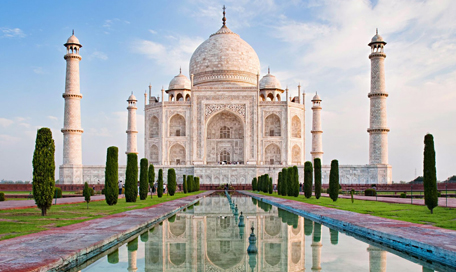
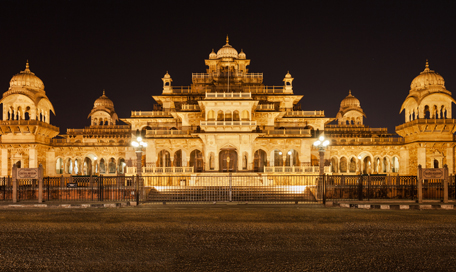
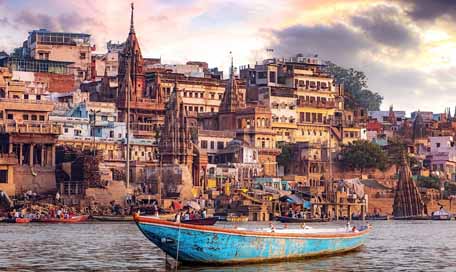
Destinations like Delhi, Jaipur, Agra, Kochi, and Varanasi work well for budget travelers due to competition and availability. Overdeveloped luxury destinations can be surprisingly expensive even at entry level. Choosing destinations strategically is a core part of budget India travel planning.
Travel season affects prices significantly. Peak months see higher hotel rates and crowded attractions. Shoulder seasons offer better value without extreme weather. Monsoon season reduces prices further in many regions, though destination selection becomes more important.
Flexible travel dates allow travelers to take advantage of lower rates. Booking accommodation in advance during peak season prevents last-minute price spikes. Understanding seasonal patterns helps travelers stretch their budget further without compromising experience.
Many travelers believe professional planning is incompatible with budget travel. In reality, informed planning often saves money. Poor route sequencing, inefficient transport choices, and unsuitable hotels increase costs indirectly.
This is where India Trip Planners adds value even for budget travelers. By designing efficient routes, recommending reliable mid-range hotels, and optimizing transport choices, travelers avoid costly mistakes. The goal is not to increase spending but to ensure every rupee adds value to the experience.
The most common mistake is assuming India is cheap everywhere and all the time. Another is underestimating travel fatigue and its indirect costs. Choosing the cheapest option repeatedly often leads to burnout, illness, or wasted days.
Successful budget travelers in India focus on balance. They save on food and accommodation where possible and invest in transport and rest where necessary. This approach results in better memories and fewer regrets.
A realistic daily budget for India should include accommodation, meals, transport, and small extras. Rather than fixating on a single number, travelers should think in ranges. Some days will be cheaper, others more expensive.
Tracking expenses loosely helps avoid overspending without becoming obsessive. Budget travel should feel freeing, not restrictive. India rewards flexibility more than rigid cost control.
Traveling on a budget does not mean compromising dignity or enjoyment. India offers extraordinary value when approached thoughtfully. Clean hotels, flavorful food, efficient transport, and meaningful experiences are accessible at reasonable prices.
The difference lies in planning. Travelers who understand where to save and where to spend experience India comfortably, confidently, and affordably. Budget travel becomes a strategy, not a limitation.
Dreaming of India but worried about expenses? We help you design smart, budget-friendly trips with affordable stays, local transport hacks, and authentic experiences — without compromising comfort.
India is one of the few countries where budget travel can still feel rich and immersive. With the right choices, travelers enjoy history, culture, food, and human connection without excessive spending. Smart budgeting enhances rather than restricts the journey. When travelers approach India with awareness and flexibility, budget travel becomes one of the most rewarding ways to explore the country.
Yes, but costs vary by destination and travel style.
Accommodation and transport usually form the largest portion.
Yes, when chosen carefully and based on reliable reviews.
It can be, but private transport often offers better value for groups.
This depends on comfort level, but flexibility matters more than exact numbers.
Yes, when freshly cooked and chosen carefully.
Not necessarily; it often reduces wasted spending.
Yes, with careful destination and transport choices.
Yes, many regions offer lower prices during monsoon.
Choosing the cheapest option without considering comfort or safety.