A Guide of South India Tour
15 Apr 2021




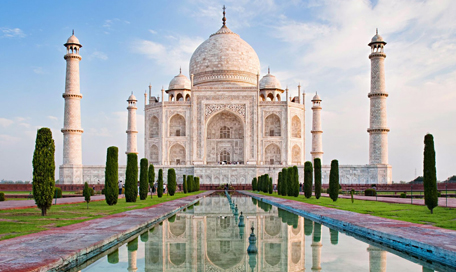
The Taj Mahal is not merely a monument; it is an atmosphere shaped by light, temperature, sound, and the emotional state of the visitor. The same marble that glows softly at dawn can feel overwhelming under harsh daylight or crowded afternoons. Choosing the best time to visit the Taj Mahal determines whether the experience feels intimate and contemplative or hurried and noisy.
Timing affects everything from visual beauty to personal comfort. The quality of light changes the color of marble, the air temperature influences patience, and crowd density shapes how long one can stand quietly before the monument. A thoughtfully timed visit allows the Taj Mahal to reveal itself slowly, with grace and depth.
This guide explains how months, seasons, and sunrise timing influence a Taj Mahal visit, helping travelers plan an experience that feels calm, meaningful, and visually unforgettable.
The Taj Mahal responds dramatically to its environment. Marble reflects light, absorbs color from the sky, and changes character throughout the day. Temperature affects how long visitors can remain comfortable, while crowd levels influence movement and silence.
Choosing the best time to visit the Taj Mahal is about aligning natural conditions with personal expectations. Some travelers seek soft light and quiet moments. Others value clarity and warmth. Understanding these dynamics helps avoid disappointment and enhances appreciation.
Get expert advice on the best season, ideal timings & private car options for a smooth Agra trip.
Agra’s climate follows clear patterns that influence travel comfort. Heat, humidity, and cool air each shape the experience differently. Rather than labeling periods rigidly, it is helpful to understand how weather feels on the ground.
Cooler air allows longer walks and unhurried observation. Warmer conditions intensify light but shorten comfortable visiting time. Moist air softens the atmosphere but may affect visibility.
A Taj Mahal visit planning approach that considers these elements supports a smoother experience.
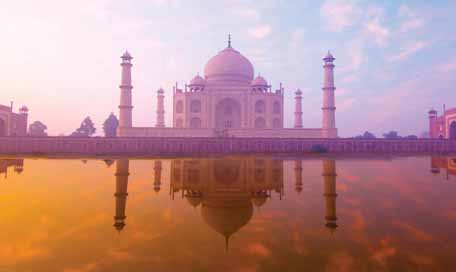
Marble acts like a canvas. At certain times, it reflects subtle shades of pink, gold, and pearl. At others, it appears stark white or even flat.
Early morning light enhances texture and detail. As the sun rises, shadows define carvings and inlay work. Later, overhead light reduces depth.
Travelers seeking visual nuance benefit from choosing timing when light interacts gently with the structure. This understanding lies at the heart of identifying the best time to see the Taj Mahal.
Crowds influence both movement and mood. Quiet moments allow reflection, while dense crowds create urgency.
Early hours tend to attract fewer visitors, offering space to pause. Midday sees peak activity, with faster movement and less stillness. Late afternoon varies depending on conditions and local patterns.
Planning around these rhythms helps travelers experience the Taj Mahal with intention rather than reaction.
Morning visits offer a sense of arrival before the day accelerates. The air feels lighter, sounds are muted, and the monument appears serene.
A Taj Mahal sunrise visit provides emotional calm, allowing visitors to connect without distraction. Even those not present at exact sunrise benefit from early entry.
Morning timing supports photography, contemplation, and comfortable walking.
Sunrise transforms the Taj Mahal into a living sculpture. As light shifts from cool tones to warm hues, the marble appears to breathe.
A Taj Mahal sunrise tour allows travelers to witness this transformation gradually. The atmosphere remains respectful, and the monument feels less like an attraction and more like a sacred space.
Silence during early hours enhances the emotional impact, making sunrise a preferred choice for many.
Midday brings clarity and brightness. Details appear sharp, but the intensity of light and warmth can reduce comfort.
Crowds are typically heavier, and the pace quickens. Travelers choosing this time benefit from efficient movement and focused viewing rather than extended stays.
Understanding these conditions helps set realistic expectations when midday is the only option.
Late afternoon light softens shadows and brings warmth without the intensity of midday. Depending on crowd patterns, this period can offer balance between clarity and comfort.
The monument often regains subtle color tones as the sun lowers. For travelers unable to visit early, late afternoon provides an alternative with visual appeal.
Each month offers a slightly different character. Some months feel crisp and calm, others warm and vibrant. Rather than focusing on labels, travelers benefit from considering personal tolerance for temperature and crowds.
Cooler periods allow longer, slower visits. Warmer months emphasize visual contrast but require pacing and hydration.
Aligning month choice with personal comfort defines the best month to visit the Taj Mahal for each traveler.
Visibility affects how the Taj Mahal appears against the sky. Clear air enhances contrast and sharpness, while haze softens outlines.
Morning hours often provide better visibility. Choosing times with clearer air enhances photographic and visual experience.
Sound influences perception. Early hours carry softer sounds, while later periods include voices, footsteps, and movement.
A quieter soundscape supports reflection and emotional connection. Travelers sensitive to sensory overload often prefer early or less crowded times.
Let our local experts help you choose the best month, time of day & travel plan for Agra.
Photography benefits from gentle light and minimal obstruction. Sunrise and early morning offer optimal conditions for color balance and composition.
Crowd density affects framing. Choosing times with fewer visitors supports clean visual lines and uninterrupted views.
Understanding this helps photographers plan effectively without pressure.
Visitor behavior follows cultural rhythms. Local visitors, school groups, and international travelers arrive at different times.
Observing these patterns allows strategic planning for quieter moments. A Taj Mahal travel timing approach that considers human flow enhances experience.
Walking distance and standing time require energy. Cooler periods support stamina, while warmth demands breaks.
Choosing the best time to visit Taj Mahal also means aligning with personal energy levels. Early visits suit morning-oriented travelers, while others may prefer later hours.
Emotional readiness matters as much as physical comfort. A rushed visit limits appreciation. Choosing times that allow unhurried movement enhances emotional connection.
A calm pace supports deeper observation of symmetry, craftsmanship, and symbolism.
Arriving by private car offers control over arrival time. Travelers avoid dependency on fixed transport schedules.
A private car Taj Mahal visit supports early arrivals and flexible departures, aligning perfectly with optimal timing.
Light quality shifts subtly across the year. Some periods produce cooler tones, others warmer reflections.
Understanding this variation helps travelers choose times aligned with aesthetic preference.
Early visits free up the rest of the day. Travelers can explore Agra’s surroundings or relax afterward.
This rhythm prevents fatigue and preserves the emotional impact of the Taj Mahal.
Sunrise offers calm atmosphere, gentle light, and fewer crowds.
Yes, temperature and air clarity influence comfort and visibility.
Early hours generally attract fewer visitors.
Light is strong but less nuanced than morning or late afternoon.
Yes, marble color and texture shift with light.
Yes, it allows precise arrival and departure planning.
It can offer softer light and balanced conditions.
Crowds influence movement and sense of calm significantly.
Yes, energy levels and heat tolerance matter.
Yes, it supports slower pacing and deeper appreciation.