A Guide of South India Tour
15 Apr 2021



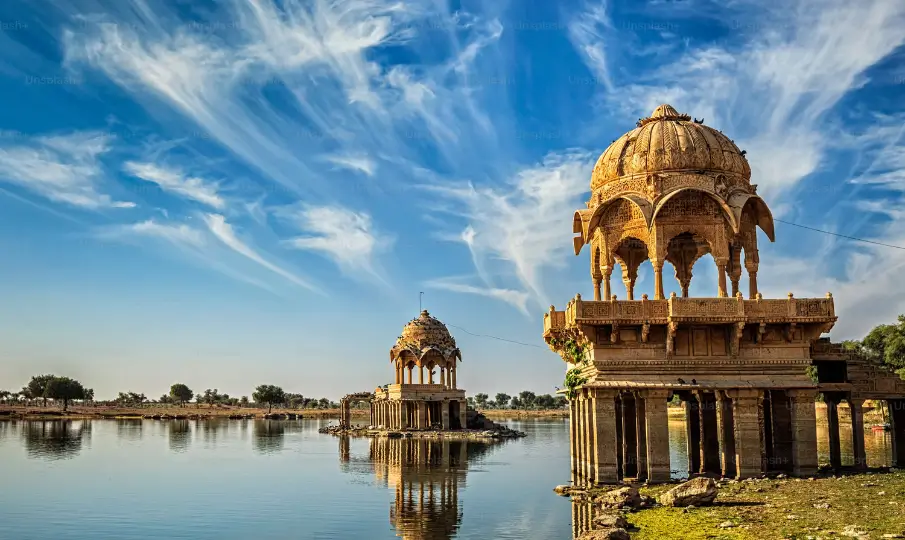
Rajasthan is one of those destinations where timing directly impacts how comfortable, enjoyable, and memorable your trip will be. Unlike many places where weather variations are minor, Rajasthan experiences significant seasonal shifts that influence travel conditions, sightseeing comfort, and overall experience quality. For foreign travelers, understanding the best time to visit Rajasthan is not just helpful, it is essential.
The region is known for its desert climate, which means temperatures can vary widely between seasons. Some months offer pleasant weather ideal for sightseeing, while others can feel extremely hot or less suitable for long outdoor activities. Planning your journey around the right period ensures that you can explore forts, palaces, and cities without physical discomfort.
Another important factor is crowd movement. Rajasthan attracts international travelers throughout the year, but peak periods see a noticeable increase in visitor numbers. This affects hotel availability, pricing, and the overall pace of travel. A well-timed Rajasthan travel plan for foreign tourists helps avoid unnecessary crowds while still enjoying key attractions.
Seasonal changes also influence the type of experiences available. Certain activities, such as desert visits, cultural events, and outdoor exploration, are more enjoyable during specific periods. Choosing the right time allows you to experience Rajasthan in a way that aligns with your expectations.
Cost variation is another aspect to consider. Hotel prices, transport rates, and availability fluctuate depending on demand. Planning during balanced periods can help optimize both comfort and budget. A clear understanding of the Rajasthan tour season guide helps travelers make informed decisions.
Ultimately, timing is not just about weather. It shapes the entire journey, from how you experience destinations to how comfortable you feel throughout the trip. A well-planned Rajasthan itinerary based on season ensures that every part of the journey works in your favor.
From majestic forts and royal palaces to colorful festivals and desert adventures, Rajasthan offers unique experiences throughout the year. Let our travel experts help you choose the perfect season and itinerary for an unforgettable journey.
The period from October to February is widely considered the most comfortable time for traveling across Rajasthan. During these months, temperatures remain moderate, making it ideal for sightseeing and outdoor activities. For foreign tourists, this is often the preferred window for planning a Rajasthan tour in winter season.
Days are generally pleasant, allowing travelers to explore cities like Jaipur, Udaipur, and Jodhpur without excessive heat. Walking through forts, visiting palaces, and exploring markets becomes more enjoyable when the weather is comfortable. Even desert regions such as Jaisalmer feel manageable during this period.
Evenings and early mornings can be cooler, especially in certain regions. Carrying light layers ensures comfort throughout the day. This variation in temperature adds to the overall experience, creating a balanced travel environment.
One of the key characteristics of this season is high demand. Hotels, especially mid-range and luxury properties, tend to fill up quickly. Advance booking becomes essential to secure preferred accommodations. A well-planned Rajasthan winter travel itinerary ensures availability and better pricing.
This period also sees a higher number of international visitors, which means popular attractions can be busy. However, with proper planning and timing, crowd impact can be managed effectively. Visiting sites early in the day or during less crowded hours helps maintain a relaxed experience.
Transportation remains smooth during this season, with clear roads and stable weather conditions. Long drives between cities are more comfortable, making it easier to follow multi-city itineraries. A structured Rajasthan tour for foreign tourists in winter benefits from these favorable conditions.
Overall, this period offers the best combination of weather, accessibility, and experience quality. It is ideal for first-time visitors who want to explore Rajasthan comfortably and without major challenges.
The months from March to June bring a noticeable rise in temperature across Rajasthan. This period is often considered challenging due to the heat, but it also offers certain advantages for travelers who plan carefully. Understanding the Rajasthan summer travel experience helps in making an informed decision.
Daytime temperatures can become quite high, especially in desert regions. This makes outdoor sightseeing during midday less comfortable. However, early mornings and evenings remain suitable for exploration. Adjusting the daily schedule to avoid peak heat hours is essential for a smooth experience.
One of the biggest advantages of traveling during this period is reduced crowd levels. Popular attractions are less busy, allowing for a more relaxed visit. This is particularly beneficial for travelers who prefer quieter environments. A Rajasthan off-season travel plan often includes this period for those seeking less crowded experiences.
Hotel prices also tend to be lower during these months. Many properties offer discounted rates, making it an attractive option for budget-conscious travelers. A budget Rajasthan tour for foreign tourists can be planned effectively during this time without compromising on quality.
Air-conditioned vehicles and comfortable hotels play a crucial role in managing the heat. Choosing the right services ensures that the journey remains manageable despite the weather conditions. A well-structured Rajasthan summer itinerary focuses on comfort and timing.
While this period may not be suitable for everyone, it works well for travelers who are flexible and willing to adapt their schedule. With proper planning, it is possible to enjoy Rajasthan even during warmer months while benefiting from lower costs and fewer crowds.
The monsoon period from July to September brings a different dimension to Rajasthan travel. While rainfall is not as intense as in other parts of India, it still influences travel conditions and overall experience. Understanding the Rajasthan monsoon travel guide helps in planning effectively.
Rainfall during this period is moderate and intermittent, creating a cooler environment compared to peak summer. The landscape becomes greener, especially in regions like Udaipur, adding a fresh visual appeal. This change in scenery offers a unique perspective of Rajasthan that is not visible during other seasons.
However, travel during monsoon requires careful planning. Road conditions can vary, and certain outdoor activities may be affected. Flexibility in the itinerary is important to accommodate weather changes. A well-prepared Rajasthan monsoon itinerary ensures that travel remains smooth.
Crowd levels during this period are lower compared to winter months. This creates a quieter environment, allowing travelers to explore attractions without heavy footfall. Hotel availability is generally better, and pricing remains moderate.
Certain destinations, particularly those with natural surroundings, become more appealing during this time. Udaipur, with its lakes and greenery, stands out as a preferred choice. A Rajasthan travel plan during monsoon often focuses on such locations.
While monsoon travel may not suit every traveler, it offers a different experience for those who enjoy less crowded conditions and a slightly cooler climate. With proper preparation, it can be a rewarding time to visit Rajasthan.
Explore magnificent forts, grand palaces, vibrant bazaars, and golden desert landscapes on a journey designed around your interests. Whether you're visiting for culture, history, photography, or luxury experiences, Rajasthan promises memories that last a lifetime.
Selecting the right time to visit Rajasthan depends on individual travel preferences rather than a single universal recommendation. Each season offers a different experience, and understanding your priorities helps in choosing the most suitable period. A personalized Rajasthan travel timing guide for foreign tourists ensures that the trip aligns with expectations.
Travelers who prioritize comfort and balanced weather should consider the cooler months. This period allows for extended sightseeing and a relaxed pace. It is ideal for first-time visitors who want a smooth and predictable experience.
Those who prefer fewer crowds and lower costs may find the warmer months more suitable. Adjusting daily schedules and focusing on indoor or early morning activities makes this period manageable. A Rajasthan budget travel plan often takes advantage of these conditions.
For travelers interested in unique landscapes and quieter environments, the monsoon period offers a different perspective. The combination of greenery and moderate temperatures creates a distinct atmosphere that some travelers find appealing.
Travel style also plays a role. Luxury travelers may prefer peak seasons for the best service and availability, while flexible travelers can explore off-season options for better value. A well-defined Rajasthan tour plan based on season helps in making the right choice.
Ultimately, the best time to visit Rajasthan is the one that matches your comfort level, budget, and travel goals. Understanding seasonal variations allows you to plan a journey that feels tailored and enjoyable.
The most comfortable period is during the cooler months when temperatures are moderate and suitable for sightseeing. This allows travelers to explore outdoor attractions without discomfort and enjoy a balanced travel experience.
Yes, it is possible, but it requires careful planning. Activities should be scheduled during early mornings and evenings, and air-conditioned transport should be used to maintain comfort throughout the day.
Monsoon has a moderate impact. While it may affect certain outdoor activities, it also brings cooler weather and greener landscapes. With proper planning, travel remains manageable.
The warmer months usually offer lower hotel rates and fewer crowds, making them suitable for budget-conscious travelers who can adapt to the climate.
Yes, winter is the peak travel season, and popular destinations can be busy. Booking in advance helps manage availability and ensures a smoother experience.
Weather plays a major role in comfort. Extreme heat can limit daytime activities, while moderate temperatures allow for longer and more enjoyable sightseeing.
Yes, Rajasthan can be visited throughout the year, but the experience varies depending on the season. Choosing the right time enhances comfort and overall enjoyment.
Packing depends on the season. Light clothing works for warmer months, while cooler periods may require additional layers, especially for mornings and evenings.
Not necessarily. Monsoon offers a quieter and greener experience, but it requires flexibility in planning and a willingness to adapt to weather conditions.
The best time for your trip depends on the weather, local events, and the experiences you want to enjoy. Traveling during the shoulder season often offers pleasant conditions, fewer crowds, and better value for money.