A Guide of South India Tour
15 Apr 2021



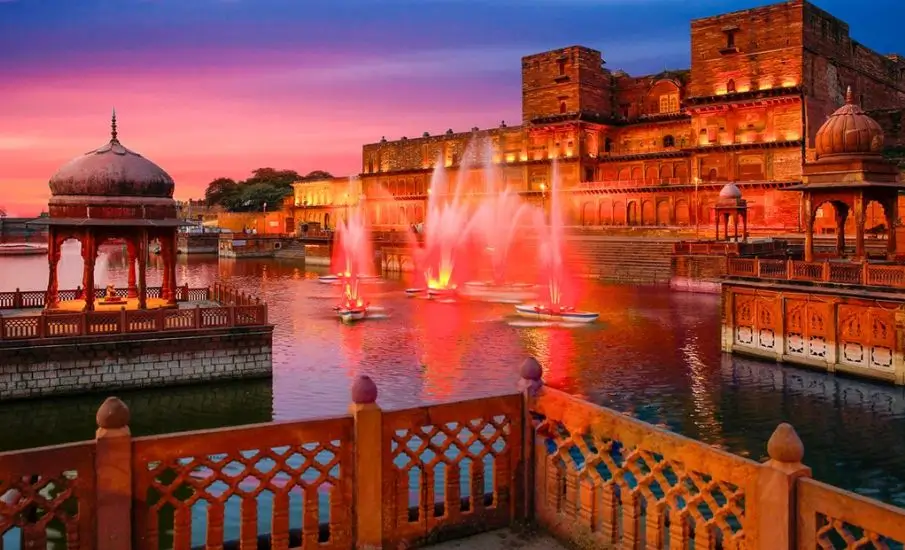
Every year, thousands of international travelers dream about taking a road trip through Rajasthan. They imagine magnificent forts rising above desert landscapes, royal palaces overlooking lakes, colorful markets filled with local life, ancient villages untouched by time, and roads connecting some of India's most fascinating destinations.
The dream is easy.
Planning the route is where most travelers become confused.
Rajasthan is India's largest state. Distances between cities can be significant, and choosing the wrong circuit often creates unnecessary driving, rushed sightseeing, and travel fatigue. Many first-time visitors select destinations without considering geography. They move back and forth across the state, spend too much time in vehicles, and miss opportunities to enjoy the journey itself.
A successful Rajasthan road trip is not simply about choosing the right destinations. It is about arranging them in the correct order.
The ideal route should minimize unnecessary driving while maximizing cultural experiences, historical attractions, landscapes, wildlife encounters, and opportunities to experience authentic Rajasthan. Every destination should naturally connect to the next, creating a smooth and enjoyable flow throughout the journey.
For foreign tourists, this becomes even more important. Most international visitors have limited vacation time and want to experience as much as possible without feeling constantly rushed.
The good news is that Rajasthan is perfectly suited to road travel. The state contains excellent tourism infrastructure, beautiful highways, fascinating rural landscapes, heritage hotels, and countless attractions located between major cities. In many ways, Rajasthan is one of the best road trip destinations anywhere in Asia.
The key is following a route that works with the geography of the state rather than against it.
From Jaipur’s royal heritage to Jaisalmer’s golden desert and Udaipur’s lakeside beauty, the right route can transform your entire Rajasthan journey.
Many first-time visitors initially consider trains or domestic flights when planning a Rajasthan itinerary. While both options have advantages, neither provides the same experience as a private Rajasthan road trip.
One of the biggest reasons is that Rajasthan's appeal extends far beyond its major cities.
The famous destinations such as Jaipur, Jodhpur, Udaipur, Jaisalmer, Pushkar, and Ranthambore are only part of the story. Some of the state's most memorable experiences occur between these cities rather than inside them.
Road travel reveals traditional villages, local markets, desert communities, historic stepwells, roadside temples, farming regions, and landscapes that rarely appear in guidebooks. These experiences create a much deeper understanding of Rajasthan than simply moving between airports or railway stations.
Another major advantage is flexibility.
Travelers can stop whenever something interesting appears. A local festival, a camel caravan, a colorful market, a rural wedding procession, or a spectacular sunset can instantly become part of the journey.
This freedom is difficult to replicate when using trains or flights.
The distances between Rajasthan's major destinations are also ideal for road travel. Most journeys are long enough to feel adventurous but short enough to remain comfortable.
When combined with a professional private driver in Rajasthan, road travel becomes one of the most enjoyable aspects of the entire holiday.
Most international visitors arrive in India through Delhi, making the capital city the natural starting point for a Rajasthan road trip.
This is not simply convenient from a flight perspective. It also creates the most logical travel flow.
Delhi allows travelers to recover from international flights while experiencing one of India's most important historical and cultural destinations. The city introduces visitors to Mughal architecture, colonial landmarks, bustling markets, and modern India before they enter Rajasthan.
Another advantage is the location of Agra.
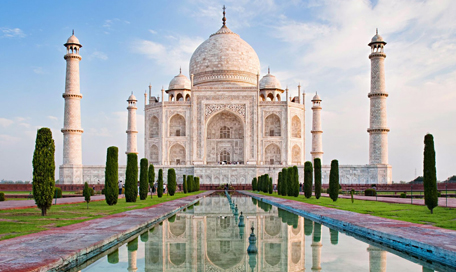
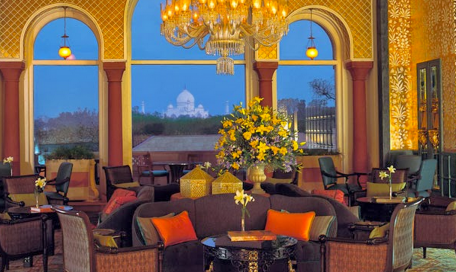
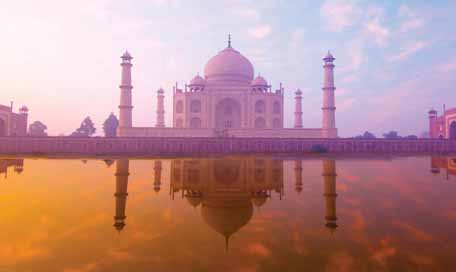
Many foreign tourists want to see the Taj Mahal, and Agra lies directly between Delhi and Rajasthan's eastern gateway. Including Agra at the beginning of the trip avoids backtracking later and creates a natural progression toward Jaipur.
This routing has become popular for a reason. It works.
Travelers move from Delhi to Agra, continue toward Jaipur, and then gradually explore deeper regions of Rajasthan without unnecessary detours.
Starting elsewhere often complicates the itinerary and increases transportation time.
For most international visitors, Delhi remains the ideal entry point for a comprehensive Rajasthan road journey.
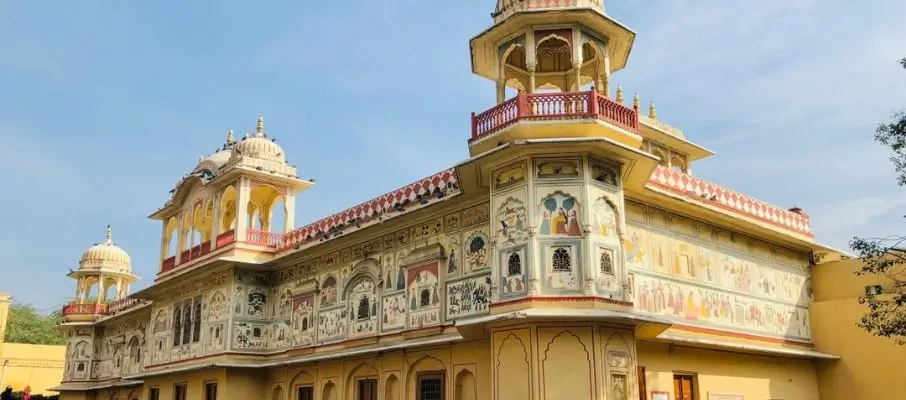
Every successful Rajasthan travel itinerary should begin with Jaipur.
The city serves as the gateway to Rajasthan and provides the perfect introduction to the state's culture, architecture, history, and traditions. Jaipur combines accessibility with authenticity, making it an ideal first stop after Delhi and Agra.
Many travelers immediately notice the difference between Rajasthan and the destinations they have already visited. The architecture changes. The colors become more vibrant. Traditional clothing becomes more visible. The atmosphere feels distinctly Rajasthani.
Jaipur's attractions provide an excellent overview of what makes Rajasthan special.
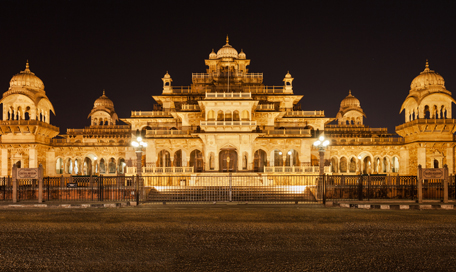
Amber Fort introduces visitors to the grandeur of Rajput architecture. The City Palace reveals the legacy of royal families. Hawa Mahal showcases the city's distinctive design identity. Local markets provide opportunities to experience traditional crafts, textiles, gemstones, and handicrafts.
The city also contains excellent hotels ranging from luxury palace properties to charming heritage residences.
Spending at least two or three nights in Jaipur allows travelers to adjust to Rajasthan's pace before continuing deeper into the state.
Many first-time visitors find Jaipur easier to navigate than some other Indian cities, making it a comfortable introduction to Rajasthan.
Because of its location and variety of attractions, Jaipur naturally serves as the first major stop on the ideal circuit.
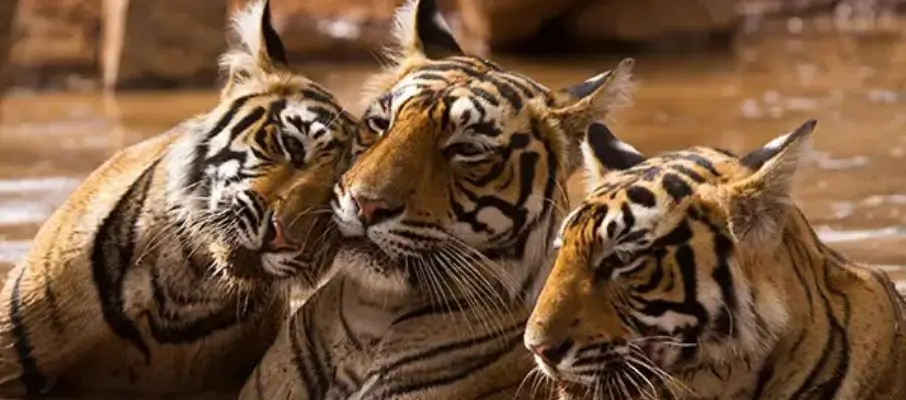
One of the biggest mistakes travelers make is leaving wildlife experiences out of their Rajasthan itinerary.
Ranthambore National Park provides an excellent opportunity to balance architecture and history with nature and wildlife.
Located relatively close to Jaipur, Ranthambore fits naturally into the route before travelers move west toward the desert regions.
The park is famous for its Bengal tiger population and has become one of India's most respected wildlife destinations. While tiger sightings can never be guaranteed, the experience of exploring the park itself remains rewarding.
The landscape is dramatic. Ancient ruins stand among forests and lakes. Wildlife appears against a backdrop of historical architecture. The environment feels completely different from the urban experiences of Delhi, Agra, and Jaipur.
For photographers, wildlife enthusiasts, and families, Ranthambore often becomes one of the most memorable parts of the trip.
The destination also provides variety. After several days focused on forts and palaces, a safari experience creates a refreshing change of pace.
Including Ranthambore at this stage of the route maintains logical geography while enriching the overall journey.
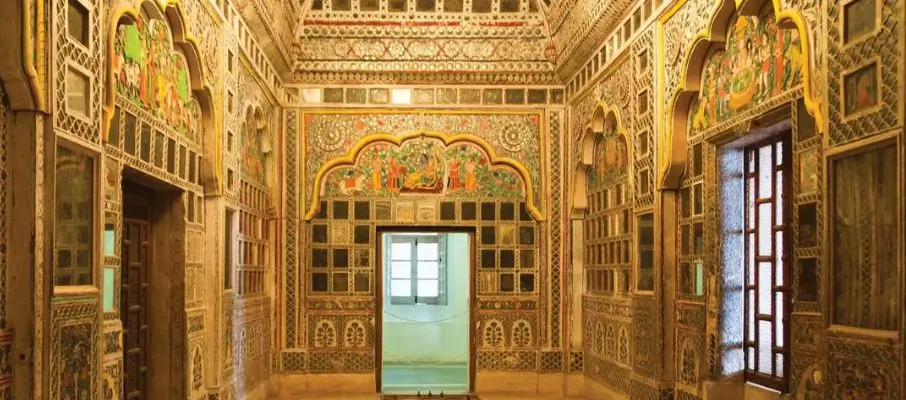
From Ranthambore, the route begins moving toward western Rajasthan and one of the state's most spectacular destinations.
Jodhpur immediately captures attention.
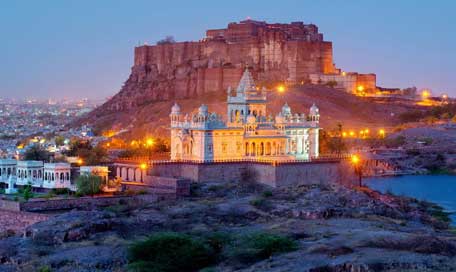
The city is dominated by Mehrangarh Fort, a massive structure rising dramatically above the surrounding landscape. Few forts in India create such a powerful visual impression.
For many travelers, Jodhpur represents the moment when Rajasthan's royal history truly comes alive.
The fort itself contains palaces, museums, courtyards, and galleries that reveal centuries of Rajput history. From its walls, visitors enjoy sweeping views across the famous Blue City below.
The old city remains vibrant and authentic. Markets continue operating much as they have for generations. Narrow streets reveal local businesses, traditional homes, and daily life unfolding around historical landmarks.
Jodhpur also serves as a strategic midpoint within Rajasthan. From here, travelers can continue toward the desert, the lake region, or various rural destinations without excessive driving.
The city combines history, culture, architecture, photography, and local experiences in a way that appeals to almost every type of traveler.
This makes it an essential stop on the ideal Rajasthan circuit.
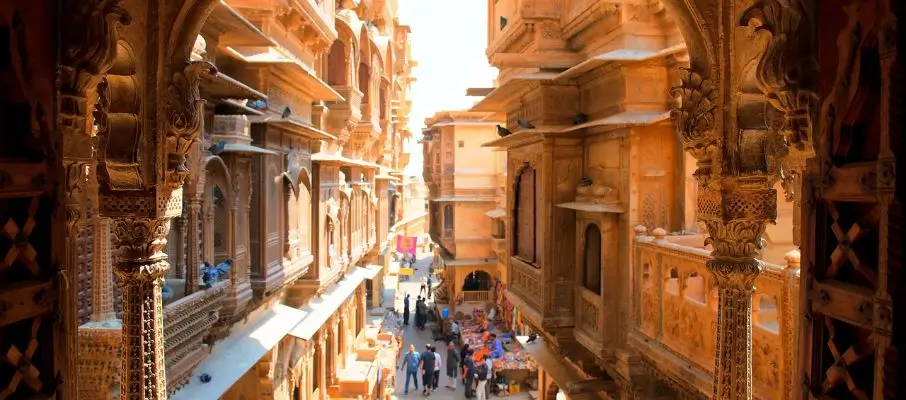
No Rajasthan road trip for foreign tourists feels complete without Jaisalmer.
Located deep within the Thar Desert, the city offers landscapes and experiences unlike anywhere else in India. The journey itself becomes part of the adventure as the scenery gradually transforms into desert terrain.
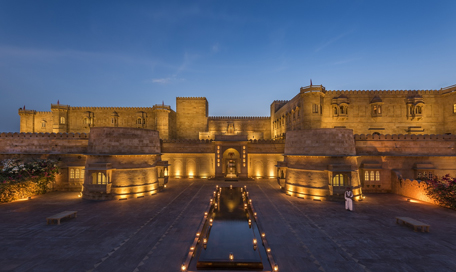
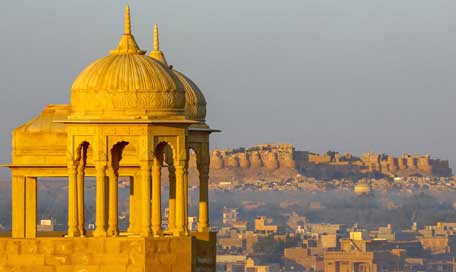
Jaisalmer's golden sandstone architecture creates an almost dreamlike atmosphere. The city appears to rise directly from the desert, earning its reputation as the Golden City.
The fort remains one of the most remarkable in the world because it continues functioning as a living community. Shops, homes, temples, cafés, and guesthouses operate within its walls.
Beyond the city, the desert becomes the main attraction.
Camel safaris, jeep excursions, cultural performances, traditional music, and overnight desert camps allow travelers to experience the unique environment of western Rajasthan.
Sunset over the sand dunes remains one of the defining moments of many Rajasthan journeys.
The route from Jodhpur to Jaisalmer feels natural and logical, making the city an essential part of the ideal circuit.
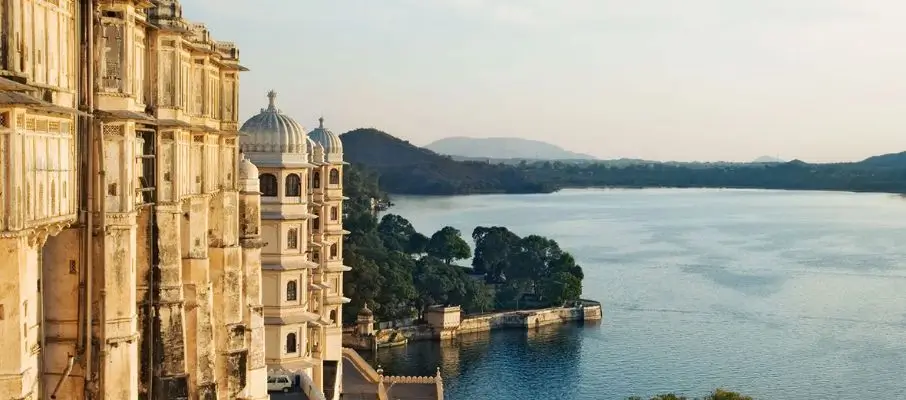
After the desert landscapes of Jaisalmer, the route gradually turns toward Udaipur.
This transition is one of the reasons the circuit works so well.
Travelers move from arid desert scenery to lakes, hills, gardens, and palaces. The contrast feels dramatic and refreshing.
Udaipur is often considered Rajasthan's most beautiful city. Its lakeside setting creates a peaceful atmosphere that many travelers appreciate after the energy of larger cities and the vastness of the desert.
Lake Pichola forms the center of the experience. Boat rides reveal palaces, temples, heritage buildings, and mountain views that create some of Rajasthan's most famous images.
The City Palace offers both historical significance and spectacular scenery. Visitors can explore galleries, courtyards, and royal residences while enjoying panoramic views across the lake.
Udaipur also encourages slower travel.
Many visitors spend evenings walking through the old city, dining at rooftop restaurants, or simply enjoying the surroundings.
Ending a Rajasthan journey in Udaipur feels natural because the city provides both cultural richness and relaxation.
It serves as a rewarding finale to a route that has gradually revealed the many faces of Rajasthan.
Travelling through Rajasthan for the first time? Our local experts can build a logical itinerary around your time, interests and preferred pace—complete with private transportation and seamless city-to-city travel.
The success of this route comes from geography.
Travelers move through Rajasthan in a logical progression rather than repeatedly crossing the state.
Each destination introduces something new. Jaipur provides royal heritage. Ranthambore adds wildlife. Jodhpur introduces dramatic desert architecture. Jaisalmer offers true desert experiences. Udaipur concludes the journey with lakes and palaces.
The route minimizes unnecessary driving while maximizing diversity.
Every destination contributes a different perspective on Rajasthan's culture, history, and landscape.
This variety keeps the journey engaging and prevents repetition.
For first-time visitors especially, the circuit provides an exceptionally balanced introduction to one of India's most fascinating regions.
Delhi, Agra, Jaipur, Ranthambore, Jodhpur, Jaisalmer, and Udaipur is one of the most balanced and popular routes.
Most travelers benefit from at least 10 to 14 days, while longer trips allow deeper exploration.
Yes. Rajasthan is one of India's most popular and well-developed tourism regions.
For most international visitors, Delhi is the most practical starting point.
It adds wildlife experiences and creates variety between historical destinations.
Yes. The city and surrounding desert provide experiences unavailable elsewhere in Rajasthan.
Many travelers consider Udaipur the most beautiful because of its lakes and palace architecture.
Absolutely. Private transportation provides flexibility and allows travelers to enjoy the journey itself.
Yes. The itinerary works very well for couples, families, and multi-generational travelers.
Jaipur, Jodhpur, Jaisalmer, and Udaipur are generally considered essential for first-time visitors.