A Guide of South India Tour
15 Apr 2021



Planning the ideal India tour itinerary for European visitors requires balancing cultural depth, travel comfort, climate considerations, and realistic pacing. For many travelers arriving from Europe, India represents a once-in-a-lifetime journey filled with architectural wonders, royal heritage, spiritual traditions, wildlife encounters, and vibrant city life. The diversity of the country makes itinerary design critical. Without structure, travel can feel overwhelming; with thoughtful planning, it becomes seamless and immersive.
European travelers often prefer a ten to fourteen day route that covers iconic highlights while maintaining comfort. A well-designed India travel itinerary for Europeans should minimize long road transfers, integrate premium accommodation, and allow adequate time for rest between major destinations. This guide presents a refined route framework that blends history, culture, architecture, cuisine, and optional extensions without excessive travel fatigue.
The focus remains on experience quality rather than rushing between cities. A balanced itinerary ensures meaningful engagement with India’s heritage while maintaining a comfortable travel rhythm.
Delhi serves as the primary international arrival hub for most European travelers. As the capital city, it presents a dynamic blend of Mughal monuments, colonial architecture, and contemporary urban culture. Beginning the journey here allows visitors to acclimatize before moving onward.
A carefully planned Delhi sightseeing itinerary may include India Gate, Humayun’s Tomb, Qutub Minar, and Old Delhi’s bustling lanes. Private guided tours provide historical context and elevate the experience beyond surface-level exploration. European visitors often appreciate heritage walks that reveal layers of architectural and cultural influence.
Accommodation choice plays a key role in comfort during the initial days. Boutique hotels or premium properties near central districts offer both convenience and restful recovery after long-haul flights.
Delhi introduces travelers to India’s diversity while preparing them for the deeper cultural immersion ahead.
India is vast and diverse—planning the right route makes all the difference. Choose a carefully designed itinerary that covers culture, history, and comfort without rushing your experience.
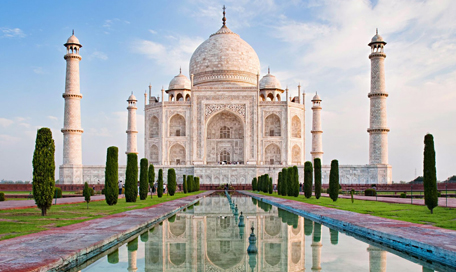
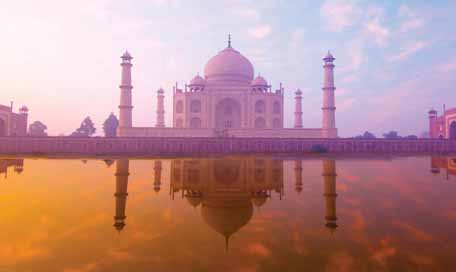
Chat on WhatsApp Contact UsNo India itinerary for European visitors is complete without Agra and the Taj Mahal. A comfortable road transfer from Delhi allows scenic countryside views along the way. Arriving early for a sunrise visit offers optimal lighting and fewer crowds.
The Taj Mahal represents architectural perfection and emotional symbolism. Complementary visits to Agra Fort and Mehtab Bagh provide broader historical context. Private guides enhance understanding of Mughal artistry and design philosophy.
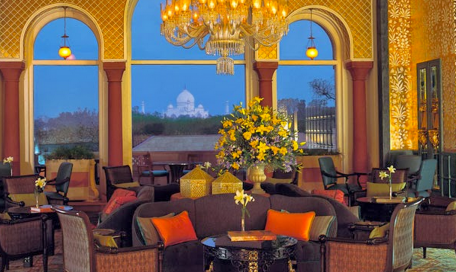
Agra typically requires one night’s stay, though some travelers extend for a slower pace. Choosing a hotel with Taj Mahal views enhances the overall experience.
The Agra segment integrates seamlessly into a broader Golden Triangle route.
Jaipur, known as the Pink City, introduces European visitors to Rajput architecture and royal heritage. The drive from Agra often includes a stop at Fatehpur Sikri, enriching the journey with additional historical context.
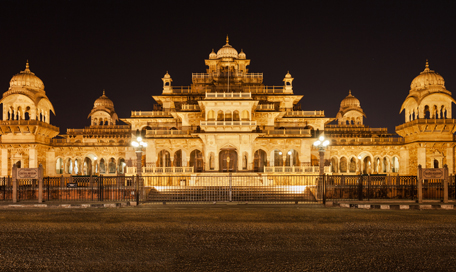
A thoughtfully curated Jaipur travel itinerary includes Amber Fort, City Palace, Hawa Mahal, and vibrant local bazaars. European travelers often appreciate curated experiences such as textile workshops, block printing demonstrations, or heritage dining in restored mansions.
Jaipur’s accommodation landscape ranges from boutique heritage hotels to grand palace properties. Selecting a heritage stay deepens immersion into Rajasthan’s royal legacy.
Jaipur’s balance of architecture, culture, and craftsmanship makes it an essential component of the best India itinerary for European travelers.
For travelers extending beyond the Golden Triangle, Udaipur provides a serene contrast. Known for its lakes and white marble palaces, Udaipur offers scenic beauty and architectural elegance.
Lake Pichola boat rides at sunset and visits to City Palace enhance the romantic atmosphere. European travelers often appreciate Udaipur’s relaxed pace and refined ambiance after busier cities.
Adding Udaipur transforms a ten-day journey into a fourteen-day immersive exploration without overextending travel distances.
Nature enthusiasts frequently include Ranthambore National Park within their India wildlife itinerary. Located between Agra and Jaipur, this reserve offers opportunities to see Bengal tigers in their natural habitat.
Jeep safaris accompanied by expert naturalists provide insight into conservation efforts and ecosystem dynamics. Including wildlife within a cultural itinerary creates a well-rounded travel experience.
Ranthambore adds diversity without significantly increasing travel complexity.
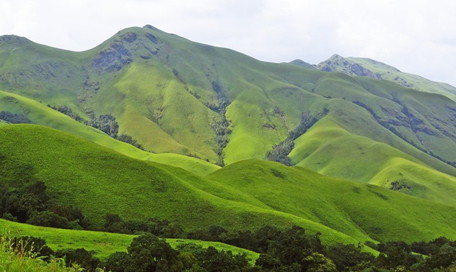
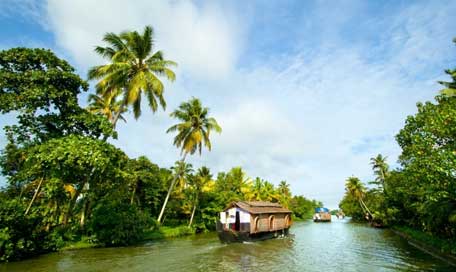
Some European visitors prefer tropical landscapes and coastal culture. A South India itinerary for Europeans may include Kerala’s backwaters, Cochin’s colonial heritage, and Munnar’s tea plantations.
This alternative route emphasizes scenic relaxation and cultural exploration at a slower pace. Houseboat stays and Ayurvedic experiences attract travelers seeking rejuvenation alongside sightseeing.
Choosing between North and South India depends on travel interests and available time.
Private chauffeur-driven vehicles remain the preferred mode of transport for many European travelers. This option ensures flexibility, comfort, and safety across multi-city routes.
Domestic flights may be used strategically to reduce travel time when covering distant regions. Business class upgrades on longer sectors enhance comfort for premium travelers.
Balancing transport efficiency with scenic road journeys creates an optimal travel flow.
The overall India trip cost for European travelers varies based on accommodation category and transport preferences. Mid-range itineraries typically offer excellent comfort at competitive pricing compared to other long-haul destinations.
Luxury extensions increase the total budget but deliver curated experiences and palace stays. Transparent planning ensures alignment between expectations and financial comfort.
Exchange rate fluctuations may influence spending power, making currency monitoring useful prior to departure.
Start with iconic routes like Delhi, Agra, and Jaipur, and expand your journey with cultural and scenic destinations.
Chat on WhatsApp Contact UsEuropean visitors benefit from understanding local customs. Dressing modestly in temples and religious sites demonstrates respect. Removing shoes before entering sacred spaces is customary.
Patience in busy urban environments and respectful photography practices enhance interactions with local communities.
Cultural sensitivity strengthens the overall experience and fosters meaningful connections.
Purchasing a local SIM card ensures reliable mobile data for navigation and communication. Major cities offer strong network coverage, facilitating smooth travel logistics.
Staying connected supports itinerary coordination and emergency accessibility.
Ten to fourteen days provides a balanced introduction to cultural highlights.
Yes, it offers architectural diversity and manageable travel distances.
Private transport enhances comfort and flexibility.
Yes, Ranthambore National Park integrates well into northern routes.
Both regions offer unique experiences depending on personal interests.
Professional English-speaking guides are common in tourist areas.
India is generally safe when standard precautions are followed.
Boutique heritage hotels and premium properties offer balanced comfort.
Flights may be useful for covering longer distances efficiently.
Yes, tours can be fully tailored to preferences and travel style.