A Guide of South India Tour
15 Apr 2021



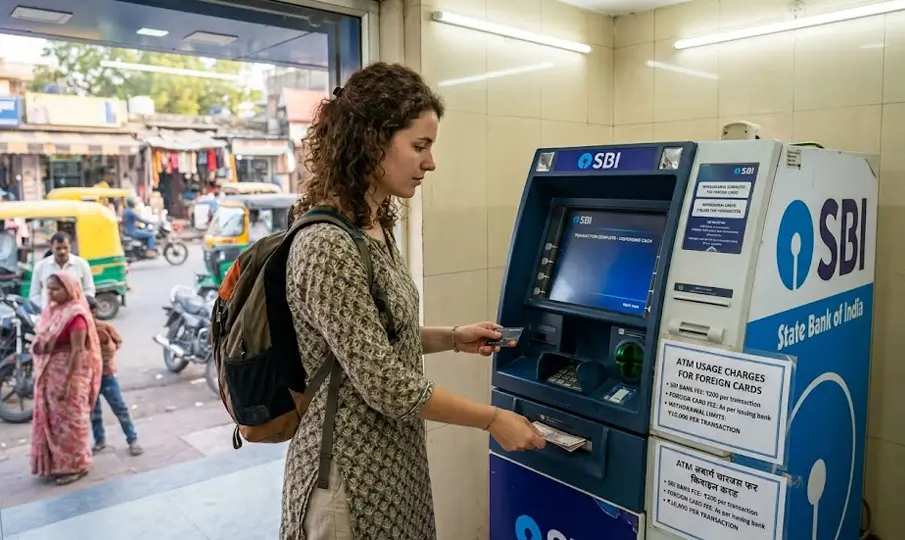
Managing money efficiently is one of the most important aspects of planning a trip to India, especially for international travelers who rely on cash for daily expenses. While digital payments are growing rapidly, cash still plays a major role in many parts of the country. This makes understanding ATM withdrawal in India for foreigners essential for a smooth and stress-free travel experience.
Foreign travelers often assume that withdrawing money in India works the same way as it does in their home country. However, there are several differences in terms of charges, withdrawal limits, and bank policies that can affect how much money you actually receive and how much you end up paying in fees. Without proper awareness, it is easy to lose money through hidden charges and unfavorable exchange rates.
ATMs are widely available across major cities, tourist destinations, and even smaller towns. Most international debit and credit cards are accepted, especially those enabled for global transactions. However, the experience can vary depending on the bank, location, and type of card you use.
Understanding how foreign ATM withdrawals in India work allows you to plan your finances better, avoid unnecessary costs, and ensure that you always have access to cash when needed.
If you are planning a longer trip across multiple cities, having a clear financial strategy becomes even more important. For personalized assistance in planning your travel routes and managing logistics smoothly, you can connect with Mr. Mohit at +91-9999822478 or email info@indiatripplanners.com for expert guidance.
India has a large network of ATMs operated by both public and private banks. These machines are generally reliable, but not all ATMs offer the same experience for international users. Understanding the different types of ATMs helps you choose the right one and avoid issues during withdrawals.
Public sector banks such as State Bank of India have widespread coverage and are commonly found in cities as well as rural areas. Private banks like HDFC Bank, ICICI Bank, and Axis Bank often provide a better user interface and smoother transaction experience for international cards. These banks are usually preferred for international ATM withdrawal in India due to their compatibility and reliability.
Most ATMs support Visa and Mastercard, while some also accept American Express and other international networks. It is important to look for logos displayed on the ATM machine to ensure compatibility with your card.
Another factor to consider is the location of the ATM. Machines inside bank branches, hotels, or airports are generally safer and more reliable compared to standalone ATMs in isolated areas. Choosing the right ATM reduces the chances of transaction failure or card issues.
Get expert travel assistance, private car options & practical India travel tips for a smooth journey.
One of the biggest concerns for travelers is the cost associated with withdrawing money. ATM withdrawal charges in India can vary depending on several factors, including your home bank, the Indian bank you are using, and the type of card.
Most Indian banks charge a fixed fee per transaction for foreign cards. This fee is usually applied every time you withdraw money, regardless of the amount. In addition to this, your home bank may also charge an international withdrawal fee.
Another important cost is the currency conversion fee. When you withdraw money in Indian Rupees, your bank converts the amount from your home currency. This conversion often includes a markup, which increases the overall cost of the transaction.
Understanding these ATM charges in India for tourists helps you minimize expenses by making fewer withdrawals and choosing the right bank.
ATM withdrawal limits in India are another important factor to consider. Most ATMs have a maximum withdrawal limit per transaction, which can range from ₹10,000 to ₹20,000 depending on the bank and machine.
For foreign cards, the limit may also depend on your home bank’s policies. Some banks allow higher withdrawals, while others restrict the amount for security reasons.
Daily withdrawal limits are also applicable. Even if you perform multiple transactions, there may be a cap on how much you can withdraw in a single day.
Understanding ATM withdrawal limits in India helps you plan your cash requirements effectively and avoid repeated transactions that increase fees.
Reducing ATM withdrawal costs requires a combination of planning and awareness. One of the most effective strategies is to withdraw larger amounts less frequently. Since most fees are charged per transaction, fewer withdrawals mean lower overall costs.
Choosing ATMs operated by major banks also helps reduce the risk of additional charges or failed transactions. Avoid using machines that offer dynamic currency conversion, as this often results in higher fees.
Informing your bank before traveling ensures that your card works smoothly and avoids unnecessary declines or security blocks.
These simple steps can significantly improve your money management in India for tourists.
Safety is an important consideration when using ATMs in any country. In India, it is advisable to use ATMs located inside banks, hotels, or busy commercial areas.
Avoid withdrawing large amounts of cash late at night or in isolated locations. Always be aware of your surroundings and ensure that no one is observing your transaction.
Keeping your card secure and covering the keypad while entering your PIN are basic precautions that help prevent fraud.
Understanding ATM safety in India for foreigners ensures that your financial transactions remain secure throughout your trip.
From airport pickups to currency tips and private car tours, we’re here to make your India trip hassle-free.
While cash is still widely used, digital payments are becoming increasingly popular in India. However, foreign travelers may not always have access to local payment systems, making cash essential in many situations.
Using a combination of cash and cards provides flexibility and ensures that you are prepared for different scenarios.
For travelers planning multi-city journeys, managing payments efficiently becomes easier when transportation and logistics are organized in advance. For assistance with travel planning, routes, and local support, you can reach out to Mr. Mohit at +91-9999822478 or info@indiatripplanners.com.
Cash is particularly important in local markets, small shops, and certain transportation services. While hotels and restaurants in major cities accept cards, smaller establishments may prefer cash payments.
Having sufficient cash ensures that you can handle everyday expenses without inconvenience.
Understanding cash usage in India for tourists helps you plan withdrawals more effectively.
Contact your bank immediately and inform the local bank where the ATM is located to resolve the issue.
Withdrawing cash from ATMs in India often provides better exchange rates compared to currency exchange services.
Most ATMs accept Visa and Mastercard, but it is important to check for compatibility logos on the machine.
Withdraw larger amounts less frequently and choose reliable bank ATMs to minimize transaction costs.
It is recommended to inform your bank before traveling to avoid any issues with card usage.
Yes, it is safe if you use ATMs in secure locations such as banks, hotels, or busy areas and follow basic safety precautions.
Private banks such as HDFC, ICICI, and Axis Bank are generally more reliable for international transactions compared to smaller banks.
Charges usually include a fixed fee from the Indian bank, an international transaction fee from your home bank, and a currency conversion fee.
The withdrawal limit depends on the ATM and your home bank. Most Indian ATMs allow withdrawals between ₹10,000 to ₹20,000 per transaction, while daily limits vary based on your bank’s policies.