A Guide of South India Tour
15 Apr 2021



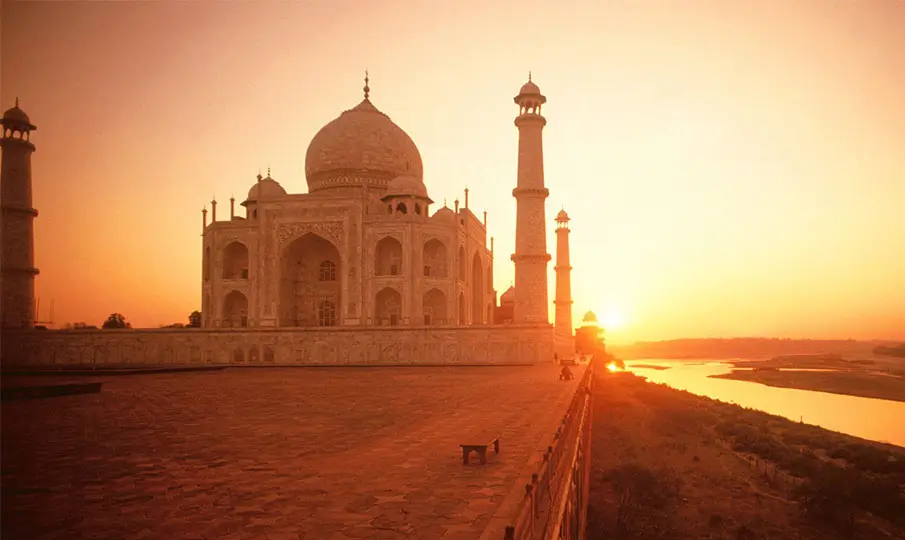
For many travelers around the world, visiting the Taj Mahal is a dream that begins long before the journey itself. The monument is one of the most recognizable landmarks on earth, celebrated for its breathtaking beauty, remarkable symmetry, and the love story behind its creation. Built by Mughal emperor Shah Jahan in memory of his beloved wife Mumtaz Mahal, the Taj Mahal represents one of the finest achievements of Mughal architecture.
While photographs of the monument are famous across the globe, the real experience of visiting the Taj Mahal goes far beyond a single moment of sightseeing. A day spent in Agra reveals not only the grandeur of the monument itself but also the atmosphere of the city, the rhythm of local life, and the historical depth of the Mughal era.
Many travelers visit Agra as part of a Taj Mahal tour from Delhi by private car, allowing them to experience the journey comfortably while discovering historic landmarks along the way. From the quiet beauty of sunrise at the Taj Mahal to exploring bustling markets in the afternoon, the day unfolds with unforgettable moments that capture the essence of India’s cultural heritage.
For travelers staying in Delhi, the day usually begins early. Many visitors choose to leave before sunrise in order to reach Agra in time to see the Taj Mahal during the magical morning hours. The drive from Delhi to Agra typically takes around three to four hours depending on traffic conditions.
Traveling by private car and driver in India makes the journey comfortable and convenient. The modern Yamuna Expressway connects the two cities with a smooth highway route, allowing travelers to relax while watching the countryside landscapes gradually appear outside the window.
During the early morning hours the roads are quiet, and travelers often see the sunrise over rural villages, agricultural fields, and small roadside towns. These peaceful scenes provide a gentle introduction to the day ahead.
As the vehicle approaches Agra, the anticipation begins to grow. The city has welcomed travelers for centuries, from Mughal nobles and merchants to modern visitors arriving from around the world.
Feel the beauty of the Taj Mahal as it changes colors throughout the day. Begin with a serene sunrise.
Chat on WhatsApp Contact UsArriving at the Taj Mahal during sunrise is often considered the most memorable moment of the entire visit. As the gates open, visitors walk through the entrance corridor toward the main archway that frames the monument.
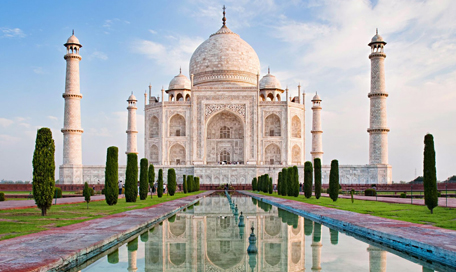
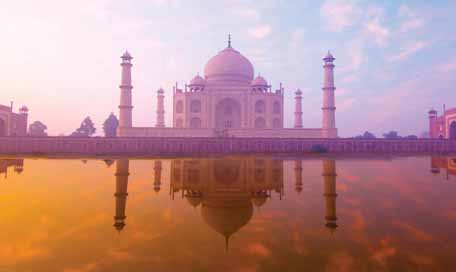
The first glimpse of the Taj Mahal through this grand gateway creates a moment of quiet amazement. The white marble structure appears perfectly symmetrical, its dome rising above four elegant minarets that stand at the corners of the platform.
In the early morning light the marble surface reflects soft shades of pink and gold as the sun slowly rises above the horizon. The surrounding gardens remain calm and peaceful before the larger crowds arrive later in the day.
Travelers often spend time simply walking through the Mughal gardens, admiring the reflection of the monument in the long water channels that lead toward the main platform.
For photographers and travelers alike, sunrise provides the ideal atmosphere to appreciate the beauty of the Taj Mahal architecture without distractions.
While the Taj Mahal appears perfect from a distance, its true brilliance becomes even more impressive when travelers explore the details up close. The entire structure is covered with intricate marble carvings, calligraphy, and inlaid gemstones that create delicate floral patterns.
Walking along the marble platform, visitors can observe how the Mughal artisans used semi-precious stones such as lapis lazuli, jade, and turquoise to create colorful designs within the white marble.
The calligraphy adorning the entrance arches contains verses from the Quran, carefully designed so that the letters appear perfectly proportioned when viewed from the ground.
Inside the central chamber lies the tomb of Mumtaz Mahal, surrounded by an intricately carved marble screen. Although the interior is relatively simple compared to the exterior decoration, the atmosphere inside the chamber feels serene and respectful.
Guides often explain the symbolism behind the design of the monument and the extraordinary craftsmanship involved in its construction.
Many travelers spend additional time walking to the rear terrace of the Taj Mahal complex where the monument overlooks the Yamuna River. From this vantage point the view reveals a peaceful landscape stretching across the riverbanks.
Across the water lies the remains of an unfinished Mughal garden complex that was once intended to complement the Taj Mahal. Although the structures were never completed, the view offers an interesting perspective on the historical planning of the monument.
The riverfront also provides quieter areas where visitors can pause and reflect on the experience of standing before one of the world’s greatest architectural masterpieces.
After visiting the Taj Mahal, many travelers continue their journey through Agra by exploring the nearby Agra Fort. Located only a short distance from the monument, this massive red sandstone fortress once served as the royal residence of the Mughal emperors.
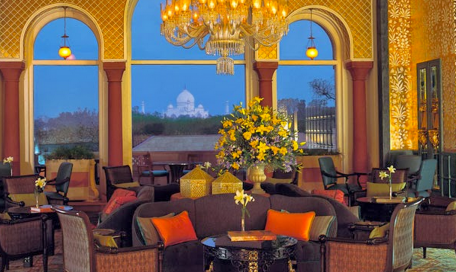
Agra Fort contains a series of courtyards, audience halls, royal apartments, and defensive walls that illustrate the power of the Mughal Empire. From certain balconies inside the fort visitors can even see distant views of the Taj Mahal across the river.W
alking through the fort reveals fascinating stories about emperors such as Akbar, Jahangir, and Shah Jahan who ruled India from this very location.
For travelers interested in Mughal history, visiting both the Taj Mahal and Agra Fort in the same day provides a deeper understanding of the architectural achievements of the empire.
Agra is also known for its traditional handicrafts, especially marble inlay work inspired by the decorative patterns of the Taj Mahal. Local artisans continue the centuries-old tradition of crafting marble objects decorated with colorful stone designs.
Visitors often explore markets where craftsmen demonstrate the process of carving marble and inserting delicate stone pieces into the surface. These workshops preserve techniques that were originally used during the construction of the Taj Mahal itself.
In addition to marble art, Agra’s markets offer leather goods, textiles, carpets, and traditional sweets. Walking through these lively streets provides a glimpse into everyday life in the city.
For many travelers the markets become an enjoyable cultural experience following the historical exploration of the monuments.
After a morning of sightseeing, travelers often take a break at a local restaurant or hotel to enjoy lunch and relax before the journey back to Delhi. Restaurants in Agra serve a variety of North Indian dishes including rich Mughlai cuisine that reflects the culinary traditions of the Mughal courts.
Popular dishes may include fragrant biryani, creamy curries, freshly baked naan bread, and traditional desserts such as petha, a sweet delicacy for which Agra is famous.
The relaxed pace of lunch allows travelers to reflect on the experiences of the morning while preparing for the return journey.
As the afternoon fades into evening, travelers begin the drive back to Delhi. The return journey offers time to relax and absorb the memories of the day.
Watching the sunset over the countryside landscapes often provides a peaceful conclusion to the experience. Many visitors find themselves reflecting on the extraordinary beauty of the Taj Mahal and the historical depth of the Mughal era.
For travelers exploring India through a Golden Triangle tour by private car, the Taj Mahal visit often becomes the emotional highlight of the entire journey.
Go beyond just visiting — immerse yourself in a full-day experience of history, culture, and local flavors.
Chat on WhatsApp Contact UsThe Taj Mahal is more than just a famous landmark. It represents centuries of history, artistic craftsmanship, and human emotion expressed through architecture.
Visitors who spend a full day exploring the monument and its surrounding city often feel that they have experienced something truly unique. The combination of sunrise beauty, historical exploration, and cultural encounters creates a journey that stays with travelers long after they return home.
For many visitors, standing before the Taj Mahal becomes one of the defining moments of their travels through India.
Mr. Mohit helps international travelers arrange private car tours to Agra with experienced drivers and well-planned travel schedules.
Yes, photography is allowed in most outdoor areas of the monument.
Most visitors spend two to three hours exploring the complex.
Many visitors travel with a private car and driver in India.
Yes, it is one of the most visited monuments in India.
Agra Fort and local markets are popular places to visit.
Yes, visitors can enter the central mausoleum chamber.
It is a masterpiece of Mughal architecture built as a symbol of love.
Yes, many travelers take a Taj Mahal day tour from Delhi.
Agra is about three to four hours from Delhi by road.
Sunrise is widely considered the best time to visit the monument.