A Guide of South India Tour
15 Apr 2021



Planning a first trip to India is exciting, but it can also feel overwhelming. The country is vast, intense, and layered with history, culture, wildlife, and contrasting landscapes. First-time travelers often struggle with one core dilemma: how to experience India meaningfully without rushing, exhaustion, or cultural overload. Trying to see everything usually results in seeing very little well. This is why the Golden Triangle combined with Ranthambore has become the most reliable introduction to India for international visitors. It balances iconic landmarks, royal heritage, wildlife encounters, and manageable travel distances. Yet even this classic route can feel chaotic if not planned with local logic. Travel times, city sequencing, safari timing, and accommodation choices make the difference between a smooth journey and a tiring one. This guide is written from on-the-ground experience, designed for travelers who want depth, comfort, and clarity rather than a checklist. It explains not just where to go, but why each day is structured the way it is, helping first-time visitors experience India with confidence and flow.
The Golden Triangle of Delhi, Agra, and Jaipur introduces travelers to India’s political history, Mughal legacy, and royal Rajasthan in a compact circuit. Adding Ranthambore brings a completely different dimension: wildlife and nature. This contrast is what makes the itinerary ideal for beginners. Urban exploration, architectural wonders, and a tiger reserve create variety without complexity. Distances between destinations are reasonable, roads are well-developed, and tourism infrastructure is strong. From a planning perspective, this route minimizes logistical risk while maximizing cultural exposure. For first-time travelers, that balance is crucial. It allows room for adjustment, rest, and spontaneous moments without sacrificing highlights.
Planning Your First Trip to India?
Get a professionally crafted 10-day India itinerary with trusted hotels, smooth transport, and local expert support from start to finish.
Delhi is the natural gateway to India, and it deserves more than a rushed stopover. The city represents multiple centuries layered together, from ancient ruins to colonial avenues and modern neighborhoods. On the first day, international travelers benefit from a gentle introduction rather than aggressive sightseeing. Arrival transfers, hotel check-in, and light exploration help overcome jet lag and cultural shock. Areas like New Delhi feel structured and familiar, easing travelers into the Indian environment. From our experience, having a pre-arranged airport transfer avoids confusion at arrival and sets a calm tone for the journey ahead. Delhi is best approached as a narrative rather than a checklist, with history unfolding gradually.
A full day in Delhi allows travelers to understand India’s contrasts. Old Delhi introduces bustling markets, historic mosques, and narrow lanes that feel worlds away from the capital’s modern side. New Delhi, with its wide boulevards and monuments, reflects colonial and post-independence India. Seeing both sides in one day helps travelers contextualize the country’s diversity early in the trip. Timing matters here. Visiting busy areas earlier in the day avoids peak congestion, while quieter monuments later provide balance. This is where Golden Triangle tour planning benefits from local pacing rather than rigid schedules.
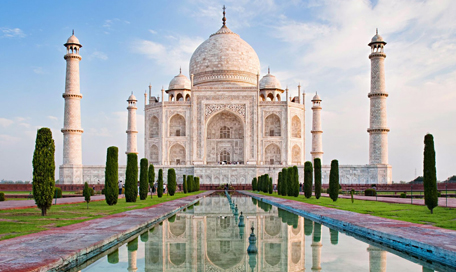
The drive from Delhi to Agra is straightforward and takes approximately three to four hours on modern highways. Agra itself is often misunderstood as a single-monument city, but the Taj Mahal experience deserves careful planning. Arriving in Agra by early afternoon allows travelers to rest before visiting the monument either at sunset or sunrise the following day. Timing the Taj Mahal visit is one of the most critical decisions of the entire itinerary. Light conditions, crowd levels, and weather all affect the experience. First-time travelers often underestimate this, which is why guided timing advice makes a tangible difference.
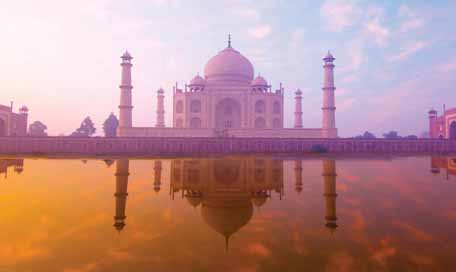
The Taj Mahal is more than an icon; it is a lesson in Mughal history, craftsmanship, and symbolism. Experiencing it with context transforms the visit from sightseeing into storytelling. Morning visits offer softer light and fewer crowds, while evening visits feel more atmospheric. Knowing which entrance to use, where to stand for iconic views, and how long to stay prevents the visit from feeling rushed or overwhelming. Travelers who plan this moment well often describe it as the emotional highlight of their entire trip.
The route from Agra to Ranthambore introduces a shift in landscape and rhythm. This journey typically takes five to six hours and passes through rural Rajasthan. Ranthambore is not just a national park; it is a former royal hunting ground where history and wildlife intersect. Arriving by late afternoon allows travelers to settle into their lodge and absorb the quieter environment. This contrast after urban sightseeing is intentional. It resets energy levels and prepares travelers for early-morning safaris.
Ranthambore is one of India’s most accessible tiger reserves, but wildlife sightings are never guaranteed. Understanding this reality is important for first-time visitors. Safaris are about the experience of the forest as much as the possibility of seeing a tiger. Morning and afternoon game drives offer different atmospheres, and staying at least two nights increases the chances of sightings. Lodge location and safari zone allocation also influence the experience. Travelers who arrive with realistic expectations often enjoy Ranthambore more deeply than those focused solely on photographs.
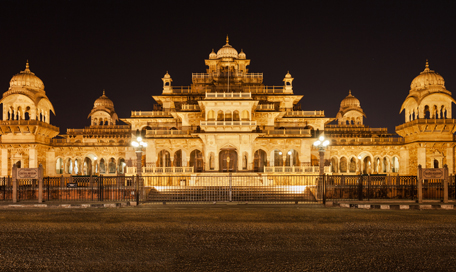
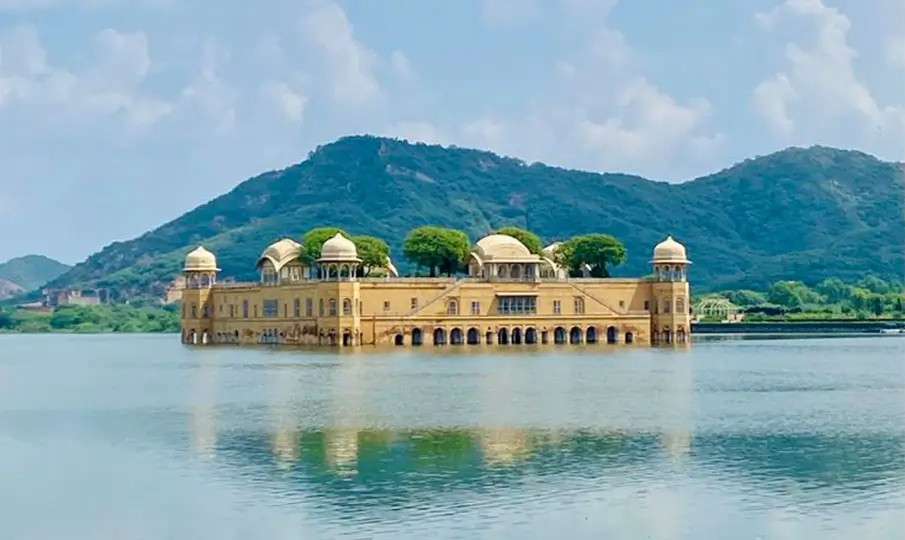
The drive from Ranthambore to Jaipur takes approximately four hours and moves travelers back toward urban Rajasthan. Jaipur feels vibrant and colorful after the quiet of the forest. Known as the Pink City, it represents Rajput architecture, royal heritage, and traditional crafts. Arriving in Jaipur by afternoon allows time to relax or explore local markets at a leisurely pace. Jaipur is best experienced over multiple days, as its attractions are spread across the city and surrounding hills.
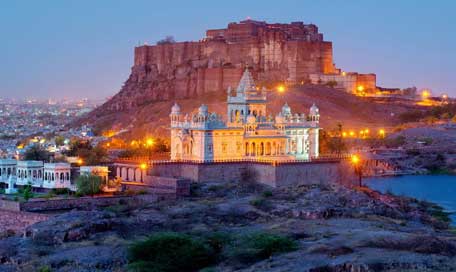
Jaipur’s monuments are grand but approachable. Forts, palaces, and observatories tell stories of astronomy, warfare, and royal life. The city also offers strong shopping and culinary experiences, which are often overlooked in rushed itineraries. Timing visits to forts earlier in the day avoids crowds and heat, while city palaces and bazaars fit well into afternoons. From our perspective, Jaipur is where travelers begin to feel comfortable navigating India independently, making it a confidence-building destination.
One of the most common mistakes first-time travelers make is underestimating travel fatigue. Even with good roads, distances take time, and sensory input can be intense. This itinerary intentionally limits daily driving and balances sightseeing with rest. Each destination builds on the previous one without repetition. This pacing is what allows travelers to enjoy India rather than endure it. Private travel in India often enhances this experience by removing the unpredictability of public transport and tight connections.
Hotels play a crucial role in shaping the journey. Centrally located properties reduce commuting time and provide safe, comfortable spaces to unwind. In Ranthambore, lodges closer to park gates offer early access to safaris. In cities, hotels with responsive staff assist with logistics and cultural questions. Choosing accommodation strategically is less about luxury level and more about location and service quality. This is an area where local planning insight significantly improves outcomes.
Understanding basic cultural norms enhances comfort and safety. Modest dress, respectful behavior at religious sites, and patience in busy areas go a long way. First-time travelers benefit from gentle guidance rather than rigid rules. Knowing when to remove shoes, how to interact with locals, and what to expect during daily routines reduces uncertainty. These small details accumulate into a smoother overall experience.
This ten-day structure works because it introduces India gradually, layering experiences rather than overwhelming travelers. History, culture, wildlife, and city life are balanced thoughtfully. Travel times are manageable, and each destination serves a clear purpose within the narrative of the trip. Travelers finish the journey feeling informed, confident, and eager to explore more of India in the future. That sense of completion is what defines a successful first visit.
Plan Your Perfect 10-Day India Trip
Visiting India for the first time? Our travel experts design a smooth, well-paced 10-day itinerary covering must-see destinations, comfortable stays, and local support.
A well-crafted itinerary is about more than destinations; it is about flow, timing, and local understanding. First-time travelers benefit from having the complexities handled quietly in the background so they can focus on experience rather than logistics. This is where thoughtful planning makes the difference between a good trip and an exceptional one. Whether traveling independently or with structured support, clarity and preparation are the foundation of a memorable Indian journey.
Yes, it is specifically designed to introduce India gradually and comfortably.
Driving times are kept reasonable, usually between three and six hours on travel days.
Yes, it is well-regulated and suitable for travelers with no prior safari experience.
Yes, additional nights can be added to reduce pace.
Yes, with minor adjustments to safari timing and hotel selection.
Guides add value at historical sites but are not mandatory everywhere.
Most travelers prefer cooler months, but planning depends on priorities.
It is possible, but private road travel offers more flexibility.
Jaipur is busy but manageable with structured planning.
For a first visit, it offers an ideal balance of depth and variety